Climate change is rapidly transforming the way urban and private spaces are designed. Extreme heat, prolonged droughts, intense rainfall, strong wind loads, and sharp temperature fluctuations are no longer rare anomalies but are becoming a new reality that must be addressed at the earliest stages of project development. Martin Palma, founder and CEO of Ecolandscape Studio, notes that modern landscape architecture can no longer rely solely on aesthetics or short-term visual impact. The spaces of the future must be designed with climate resilience in mind, as a site’s ability to adapt to extreme weather conditions directly affects its longevity, operational costs, and investment value.
Climate-resilient landscape design begins with a fundamental rethinking of the design process itself. It is no longer just about selecting plants that can tolerate heat or limited water availability, but about creating an integrated system where every component works to reduce climate-related risks. Site topography, drainage, stormwater management, surface materials, shading strategies, and microclimate scenarios must all be considered as part of one interconnected framework. Specialists at Ecolandscape Studio believe that only a systematic approach can create environments that maintain both functionality and visual quality under significant climatic stress.
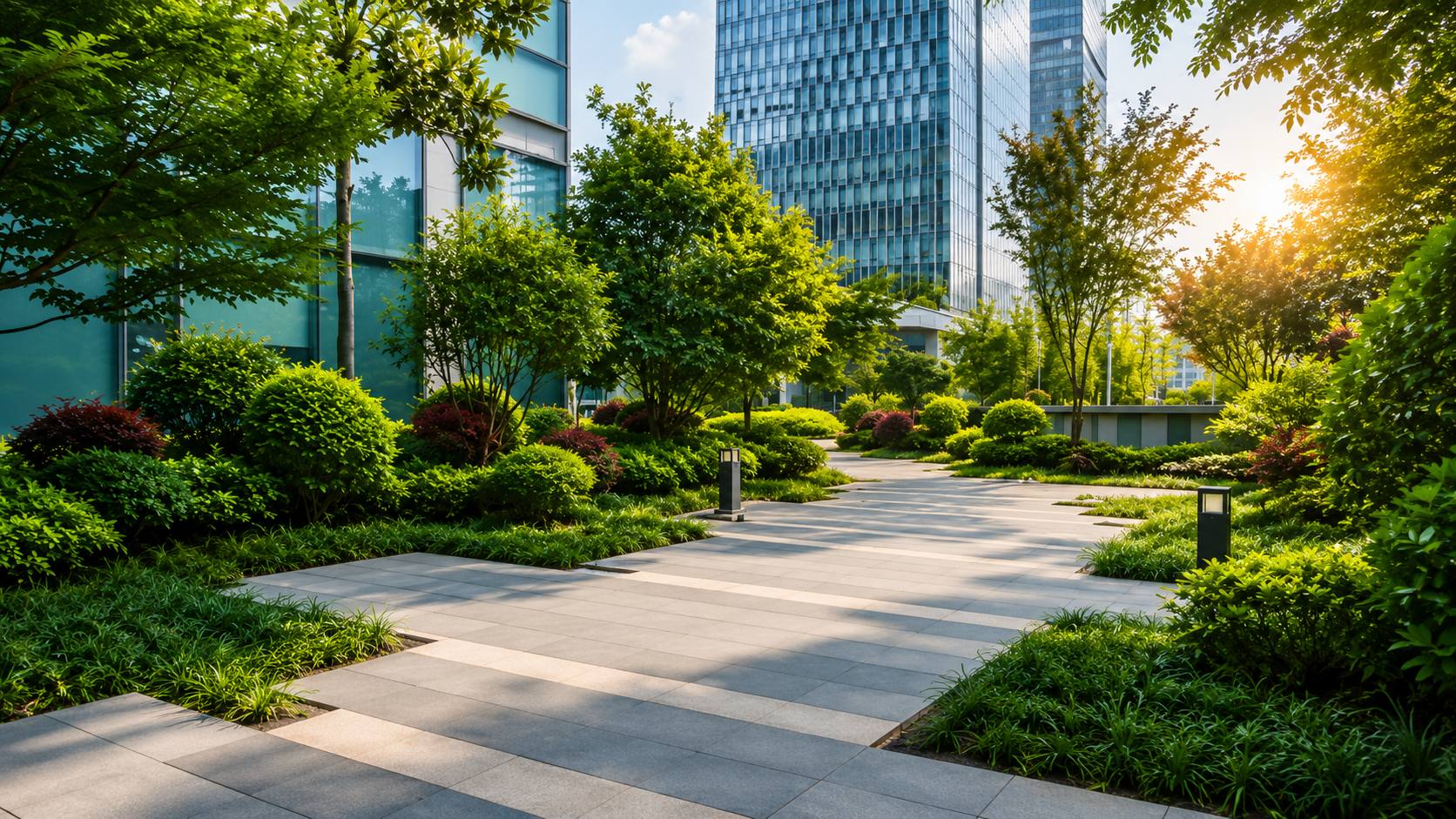
One of the key challenges is temperature management. In densely built environments dominated by hard surfaces, cities increasingly experience the urban heat island effect, where temperatures in specific areas rise significantly above average levels. This affects not only human comfort but also vegetation health and infrastructure performance. Effective landscaping can substantially reduce thermal stress through natural shading, evaporative cooling, and improved air humidity. We analyze global best practices and observe that strategically designed green systems can create localized cooling zones, significantly improving comfort even during periods of extreme heat.
Water management has become equally critical. On one hand, drought conditions require minimizing water consumption; on the other, heavy rainfall creates risks of flooding and overloaded drainage systems. This demands flexible solutions capable of performing effectively under opposite climate scenarios. Bioretention zones, rain gardens, permeable surfaces, and intelligent irrigation systems allow for more precise control of a site’s water balance. Specialists at Ecolandscape Studio note that sustainable water management is becoming one of the most important factors in ensuring the long-term efficiency of any landscape project.
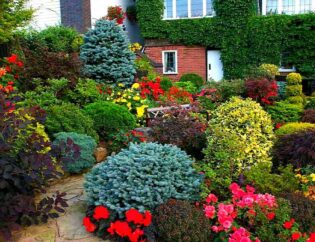
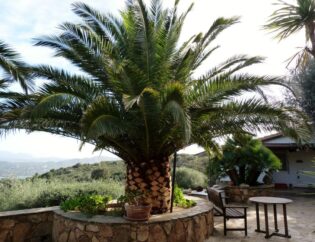
Plant selection has also become a strategic decision. Decorative appeal can no longer be the only criterion. Vegetation must demonstrate high adaptability, resilience to environmental stress, and the ability to remain healthy despite rapid climate fluctuations. This does not mean sacrificing visual impact – on the contrary, modern climate-resilient design aims to merge aesthetics with biological resilience. At Ecolandscape Studio, we believe that intelligent plant selection creates the ideal balance between premium visual quality and long-term operational efficiency.
Climate resilience is gradually becoming the new standard in premium design. Today, a successful landscape is evaluated not only by how impressive it looks at project completion but also by how effectively it will perform 10, 15, or even 20 years later. At Ecolandscape Studio, we see this as a fundamental evolution of the industry, where landscape architecture becomes a strategic tool for risk management, capital preservation, and the creation of spaces that remain visually compelling, highly functional, and resilient regardless of future climate challenges.