In modern real estate development, competitive advantage is no longer determined solely by building architecture or location. The quality of the surrounding environment is becoming increasingly important, as landscaping directly shapes first impressions, user experience, and the long-term investment appeal of a property. Martin Palma, founder and CEO of Ecolandscape Studio, believes that mistakes in landscape design remain one of the most underestimated sources of financial loss in development projects. At early stages, many landscape-related decisions may appear secondary, yet in the long term even minor miscalculations can turn into multimillion-dollar expenses related to reconstruction, maintenance, and the correction of systemic issues.
One of the most costly mistakes is underestimating the engineering component of a landscape project. Landscaping is often viewed purely through an aesthetic lens – plants, pathways, decorative features, and recreational zones. However, behind every visually appealing environment lies a complex technical system involving drainage, stormwater management, irrigation, and terrain analysis. Mistakes at this level are rarely visible immediately after project completion, yet they are often the primary cause of major long-term problems. Flooding, surface damage, soil erosion, and premature infrastructure deterioration increase operational costs while reducing overall asset quality. Specialists at Ecolandscape Studio believe that integrating engineering analysis at the earliest design stages is essential for avoiding the most critical risks.
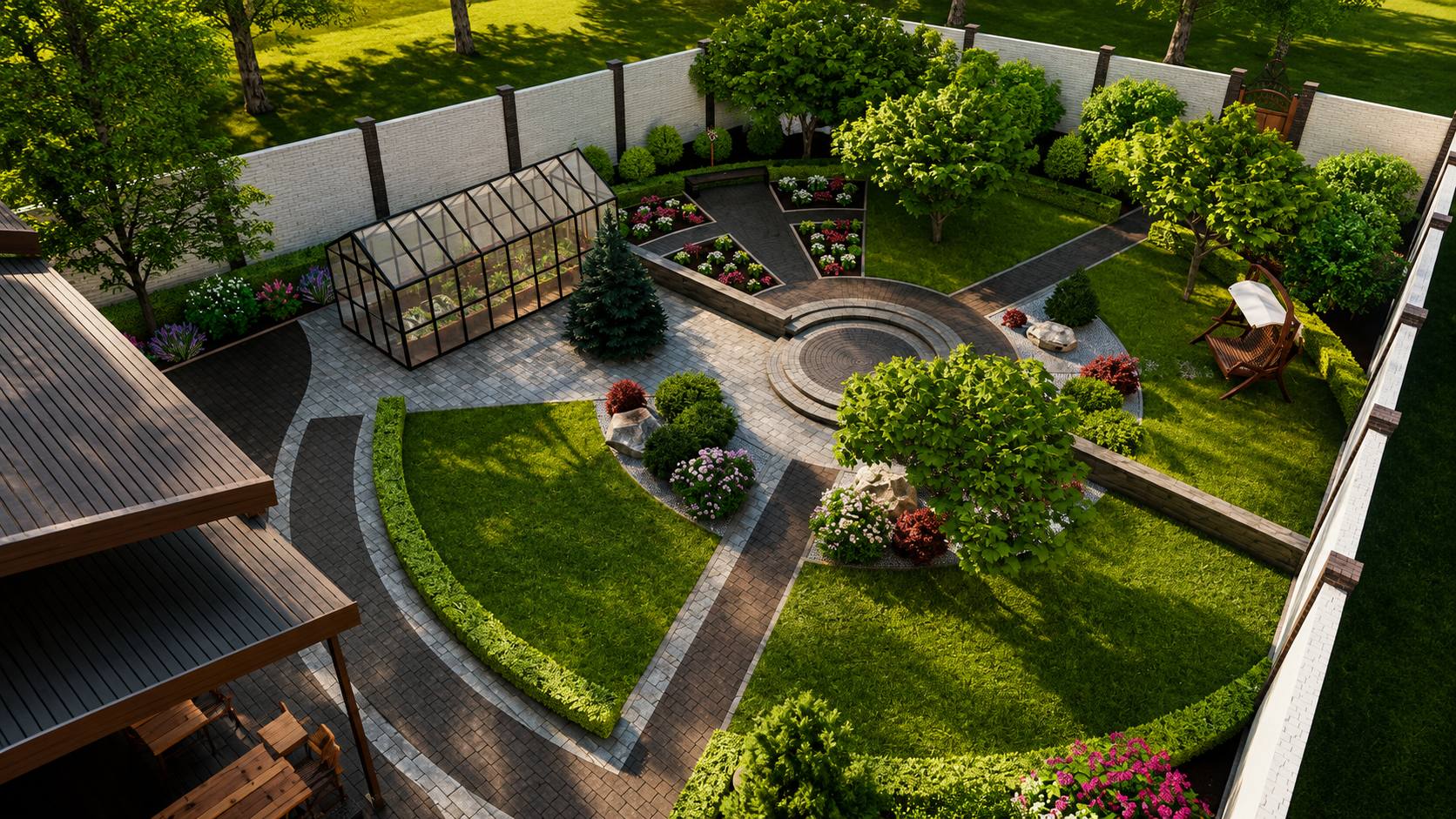
Another major issue is improper plant selection without considering climate conditions, soil characteristics, and future operational demands. At the visualization stage, many planting concepts look impressive, but a decorative strategy without agronomic analysis can quickly become a constant source of expenses. Vegetation that is not adapted to the local climate often requires excessive irrigation, frequent replacement, and intensive maintenance. We analyze completed projects and repeatedly observe how visually striking concepts lose long-term value due to the absence of a strategic planting approach. Landscapes should be designed not only for the first year after completion but with long-term resilience in mind.
A further common mistake involves imbalance between visual impact and operational efficiency. Developers often pursue a strong wow effect through complex decorative elements, exclusive materials, or unconventional water installations. Without considering long-term maintenance requirements, these features can significantly increase operating costs within just a few years of project completion. The more complicated a landscape is to maintain, the greater the likelihood of unexpected expenses. Specialists at Ecolandscape Studio note that premium landscapes do not necessarily need to be excessively complex. In fact, truly strong projects are often built on intelligent simplicity, where every element has both functional and economic justification.
Significant financial losses also result from fragmented project execution. When architects, engineers, contractors, and landscape specialists operate without a unified strategy, the risk of inconsistencies between project phases rises substantially. This frequently leads to costly revisions, reconstruction, and delays in implementation. At Ecolandscape Studio, we believe that a comprehensive approach is one of the key factors in successful project delivery because it ensures alignment between all systems before construction begins. The earlier landscape architecture is integrated into the master plan, the lower the risk of critical and expensive mistakes.
The modern real estate market is becoming increasingly demanding when it comes to environmental quality, and design mistakes are becoming more expensive than ever. Today, landscape architecture directly affects asset value, sales velocity, and the perception of a developer’s brand. At Ecolandscape Studio, we see professional landscape design not as a final beautification stage but as a strategic investment tool capable of protecting capital, increasing market value, and minimizing long-term financial risk. Careful attention to detail during early planning stages is what ultimately helps developers avoid decisions that may cost millions in the future.