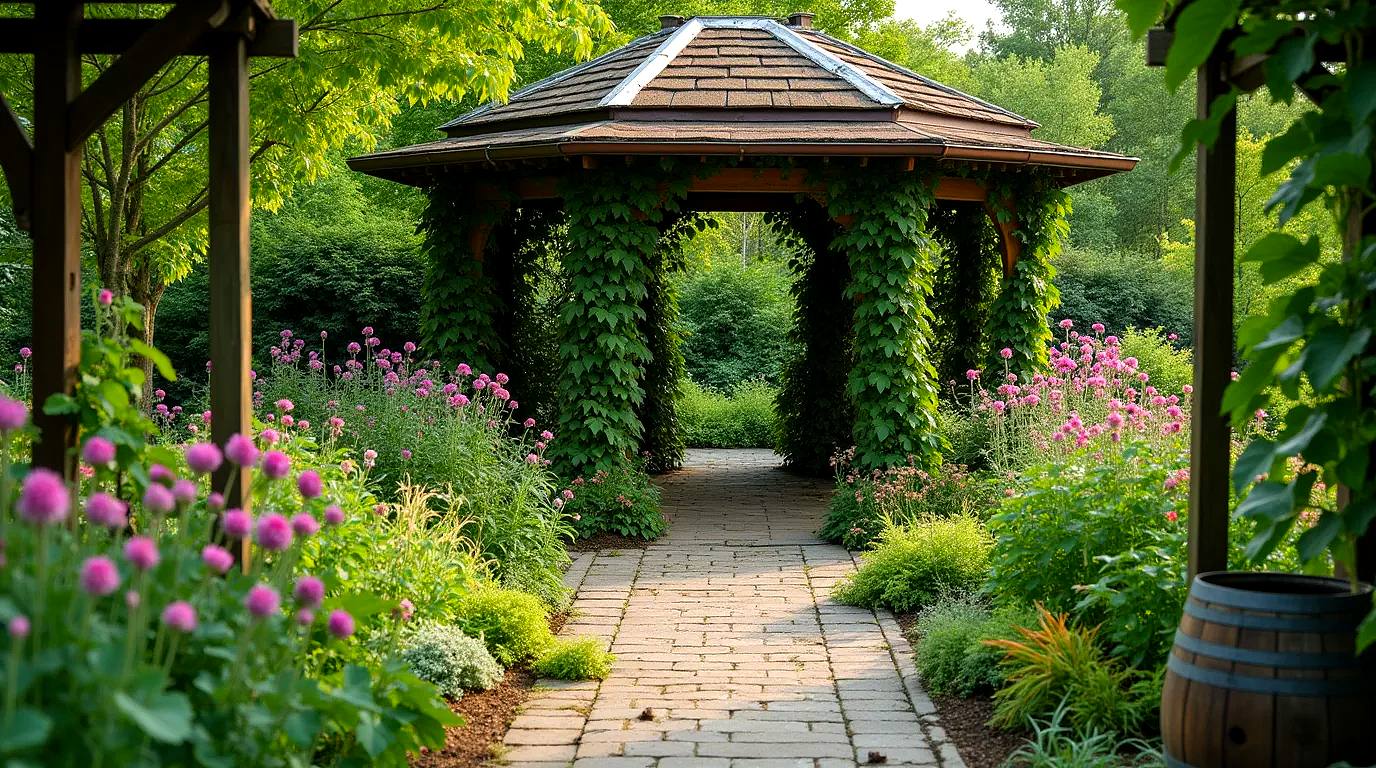
The modern real estate market is evolving in an environment of intense competition, where success is no longer determined solely by architectural quality or prime location, but also by a project’s ability to be recognizable, emotionally compelling, and visually distinctive. Developers increasingly understand that buyers are not choosing just a property – they are choosing a complete concept, a lifestyle, and a specific way of living. As a result, the surrounding environment is no longer a secondary element but has become an essential part of a project’s brand strategy. Martin Palma, founder and CEO of Ecolandscape Studio, emphasizes that landscape architecture today serves a far deeper purpose than simple site beautification – it shapes the visual language of a development and helps create a unique outdoor identity that directly influences market perception.
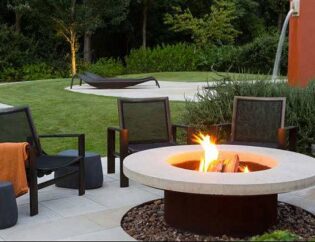
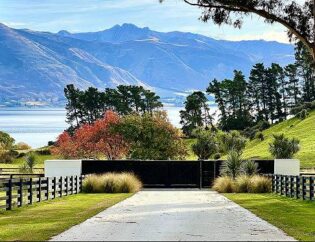
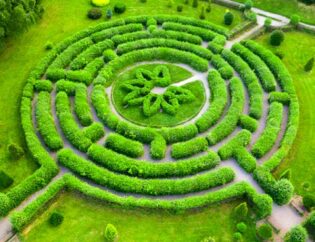
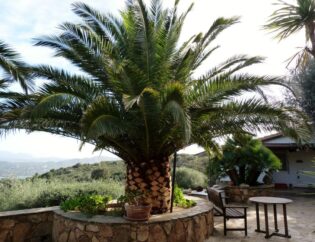
A strong brand always has a recognizable visual code. In real estate, this code is shaped through architecture, materials, spatial planning, and environmental quality. However, the exterior environment is often the very first element through which people interact with a project. Landscaping, pathway geometry, topography, water features, lighting scenarios, and overall spatial composition create an emotional image that remains in memory long after the first encounter. Specialists at Ecolandscape Studio believe that strong landscape design can become just as powerful a tool for brand recognition as a distinctive architectural style or a developer’s signature visual identity.
Outdoor identity becomes especially important in premium and mixed-use real estate, where the market is already saturated with high-quality developments. In such conditions, competition shifts toward emotional differentiation. Projects compete not only in terms of square footage or infrastructure, but through the uniqueness of the experience they create. Some spaces communicate privacy and exclusivity, while others emphasize social interaction, dynamism, or connection with nature. We analyze modern market cases and observe that the strongest projects possess a clearly defined spatial philosophy, where every element of the external environment supports the overall brand positioning. It is this consistency in visual communication that makes a project feel truly complete.
Equally important is the role of landscape in creating emotional connection with users. People remember not only physical spaces but also the feelings those spaces evoke. The comfort of pedestrian routes, the sense of privacy, the visual balance between architecture and nature, and the tactile quality of materials all contribute to the overall experience. Specialists at Ecolandscape Studio note that a strong outdoor experience can significantly strengthen trust in a developer’s brand and increase perceived value without requiring additional marketing efforts. When a space creates emotional resonance, its market impact becomes far more powerful.
Landscape as part of branding also carries direct commercial value. A recognizable outdoor environment makes a project more competitive, increases marketing appeal, and enhances asset liquidity. Developments with a strong and distinctive identity are easier for the market to remember, generate stronger emotional reactions, and maintain premium positioning even in highly competitive conditions. At Ecolandscape Studio, we believe that investment in outdoor identity should be seen as a strategic investment in brand equity, as the surrounding environment plays a crucial role in building long-term value beyond architecture alone.
Modern development is increasingly moving toward a model where successful projects are built around strong concepts and consistent user experiences. Landscape architecture is no longer a background element – it has become an active carrier of brand identity. At Ecolandscape Studio, we see this as a natural transformation of the market, where outdoor space becomes part of a project’s visual DNA, strengthens its uniqueness, and creates the emotional recognizability that separates strong developer brands from everyone else.