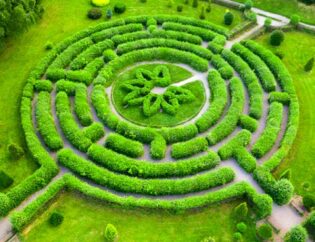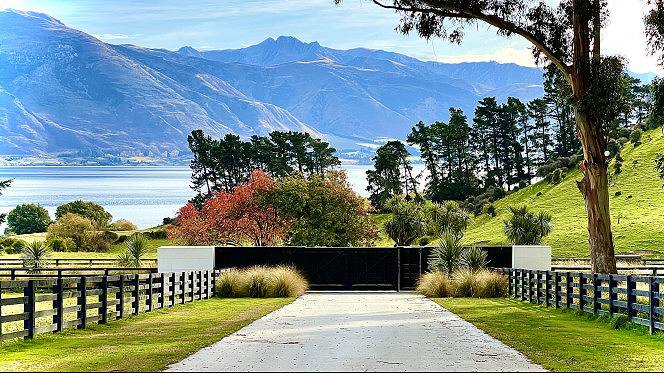
The impression created by a garden begins long before a visitor notices individual plants, architectural structures, or decorative details. The landscape is first experienced as a unified spatial composition where every line, every volume, and every carefully directed view contributes to an overall sense of harmony and balance. For this reason, professional landscape design always starts with the organization of space rather than with the selection of planting materials or construction finishes. Martin Palma, founder and CEO of Ecolandscape Studio, notes that a thoughtfully composed landscape allows people to perceive a property as significantly larger, deeper, and more sophisticated than its physical dimensions might suggest. Through carefully organized perspective, layered visual relationships, and strategically positioned focal points, even a relatively compact site can acquire the character of an expansive architectural environment. This comprehensive approach transforms an ordinary garden into a carefully orchestrated spatial experience where every element supports the overall design concept while guiding the visitor naturally through the landscape.
The development of a successful composition begins with a detailed understanding of how people will move through the property and how the landscape will gradually reveal itself from different viewpoints. Rather than arranging isolated decorative features, designers construct a continuous sequence of visual experiences that unfold naturally during movement across the site. Primary circulation routes, major viewpoints, distant perspectives, intermediate visual layers, and the relationships between functional zones are all carefully determined before any construction begins. We believe that this method of spatial choreography eliminates the feeling of disconnected elements competing for attention because every component becomes part of a larger architectural narrative. As visitors progress through the garden, each new step introduces another carefully framed composition, preserving curiosity while encouraging a deeper appreciation of the surrounding environment regardless of how frequently the landscape is experienced.
View corridors become one of the most powerful architectural tools available in landscape design because they establish the invisible framework that organizes the entire composition. Carefully aligned visual axes naturally guide attention toward significant landscape features while strengthening the perception of distance and creating meaningful relationships between different areas of the property. At Ecolandscape Studio, we analyze natural sightlines in relation to the architecture of the residence, existing topography, mature trees, elevation changes, surrounding scenery, and the changing qualities of natural light throughout the day. This comprehensive evaluation allows every perspective to feel natural while maintaining a clear architectural rhythm that remains effective during every season. Professionally designed view corridors expand the visual boundaries of a landscape, allowing even modest properties to feel considerably more spacious without increasing their physical dimensions.
Equally important is the careful manipulation of scale and spatial layering, which prevents the landscape from appearing flat or visually monotonous. Every successful garden should consist of multiple interconnected visual planes that gradually reveal increasing levels of depth. Foreground planting, intermediate architectural spaces, and distant focal areas work together to establish a rich and dynamic composition that changes continuously as people move throughout the property. We recognize that this deliberate layering dramatically enhances the architectural character of the landscape. Mature trees, shrub masses, perennial gardens, open lawns, structural planting, and carefully positioned landscape features are arranged so that every layer strengthens the next, producing a garden that feels immersive, multidimensional, and continuously evolving rather than static or predictable.
Visual focal points provide another essential element in organizing spatial perception. Individual specimen trees, water features, sculptures, architectural structures, seating areas, or carefully designed planting compositions become landmarks that guide attention while giving rhythm and direction to the visitor’s journey through the landscape. Specialists at Ecolandscape Studio note that these focal points should never function as isolated decorative objects. Instead, each one should complete a visual axis, strengthen circulation routes, create meaningful pauses within the landscape experience, and reinforce the architectural relationship between surrounding elements. When positioned correctly, focal points establish continuity throughout the entire composition while enhancing the emotional experience of moving through the garden.
The distribution of open space also plays a decisive role in shaping the overall atmosphere of a landscape. Broad lawns, uncluttered gathering areas, and carefully planned visual breathing spaces between richly planted compositions allow the eye to rest while emphasizing the beauty of surrounding architectural features. We see this as one of the defining principles of contemporary landscape architecture because the balance between occupied and open areas creates an atmosphere of order, refinement, and visual comfort. Without these carefully planned intervals, even beautifully designed gardens may appear crowded or visually overwhelming, whereas thoughtful spatial balance introduces elegance, clarity, and a stronger architectural identity.
Another important consideration involves anticipating how perspective will evolve as vegetation matures over time. Professional landscape design never focuses solely on the appearance of a newly completed garden. Instead, it carefully predicts future canopy development, changes in plant proportions, expanding root systems, and the evolving relationships between every element of the composition. We emphasize that a successful landscape must preserve its architectural integrity not only immediately after installation but also ten, twenty, or even thirty years later. Long term forecasting therefore becomes an essential component of professional planning, ensuring that the spatial composition continues to mature gracefully without requiring major reconstruction as the landscape develops.
Natural light and seasonal transformation introduce another layer of complexity to spatial composition. The same garden can appear dramatically different in the morning, afternoon, evening, or throughout the changing seasons as foliage colors, flowering periods, branch structures, and shadows continuously reshape the visual experience. Professional landscape planning anticipates these transformations from the earliest stages, allowing the composition to remain expressive and balanced regardless of weather conditions or the time of year. This dynamic relationship between architecture and nature ensures that the landscape continues to provide fresh visual experiences while preserving its essential compositional structure throughout every season.
Ultimately, composition and perspective become the invisible architectural framework upon which every successful landscape is built, determining not only how a garden appears but also how it is emotionally experienced during every visit. At Ecolandscape Studio, we believe that the professional integration of spatial composition, view corridors, proportional balance, layered perspectives, and carefully positioned focal points allows us to create landscapes distinguished by architectural harmony, remarkable visual depth, and an enduring ability to reveal new experiences as both the garden and its visitors evolve over time.