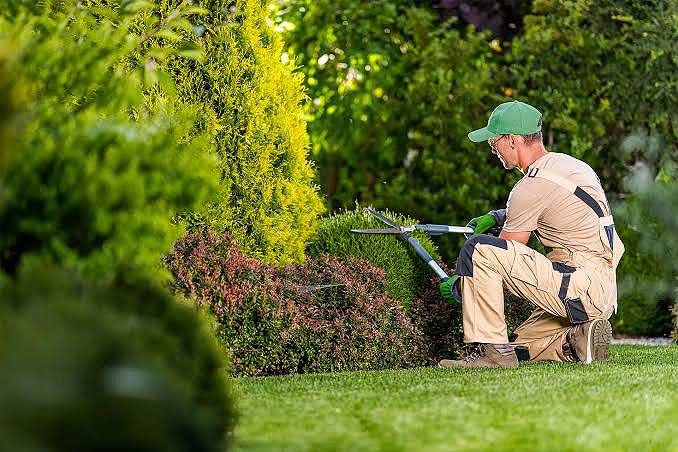
A beautiful garden does not remain attractive solely because of a successful design or the initial quality of planting. The long term value of any landscape is created through systematic maintenance based on a deep understanding of natural cycles and the biological development of every element within the garden. Martin Palma, founder and CEO of Ecolandscape Studio, notes that a professional garden maintenance calendar is far more than a checklist of seasonal tasks. It is a carefully structured long term strategy that supports every stage of the landscape’s development throughout the year. The correct sequence of maintenance activities, precise timing of each operation, and careful consideration of the biological needs of every plant allow the landscape to maintain its architectural character, preserve its decorative quality, and prevent the majority of potential problems long before they become visible. Consistent seasonal management transforms routine maintenance into one of the most important investments in the long term performance of the entire landscape.
Each season introduces a completely different set of environmental conditions and biological processes, making professional planning essential for maintaining a healthy and visually balanced garden. During spring, attention focuses on recovering the landscape after winter, performing sanitary pruning, evaluating the condition of trees and shrubs, preparing the soil, activating irrigation systems, and supplying the first essential nutrients for the growing season. We believe that spring maintenance establishes the biological foundation for the entire year because plants begin their period of active growth, producing new roots, shoots, foliage, and structural development. Delays or mistakes during this critical period often influence the decorative quality and overall health of the landscape for many months afterward, making early season planning one of the most significant components of professional garden management.
As temperatures rise and vegetation enters its most active growth phase, maintenance priorities gradually shift toward continuous monitoring and precise environmental management. Summer care includes irrigation control, soil moisture regulation, lawn maintenance, removal of unwanted vegetation, selective pruning, nutritional support, and ongoing observation for signs of pests or plant diseases. At Ecolandscape Studio, we analyze plant development continuously throughout the growing season because every variation in rainfall, temperature, humidity, or sunlight requires thoughtful adjustments to maintenance strategies. This adaptive approach allows the landscape to remain healthy while avoiding unnecessary intervention, preserving the natural appearance of the garden without disrupting its biological balance or architectural composition.
Autumn introduces another important stage in the annual maintenance cycle as the landscape gradually prepares for winter dormancy. During this period, the objective shifts toward strengthening plant resilience, completing seasonal growth, and creating conditions that will support successful overwintering. We recognize that autumn maintenance includes comprehensive site cleaning, soil improvement, mulching, carefully adjusted fertilization, deep irrigation before winter, protection of newly planted specimens, and a detailed assessment of the landscape after the growing season has ended. This coordinated series of operations significantly reduces the likelihood of winter damage while providing plants with the strongest possible foundation for healthy development during the following spring.
Although biological activity slows considerably during winter, professional landscape management continues throughout the colder months. Snow accumulation, structural stability, protective coverings, irrigation systems, and the condition of evergreen planting all require continuous observation. Specialists at Ecolandscape Studio note that winter also provides a valuable opportunity to evaluate the architectural framework of the landscape without dense foliage, allowing designers to objectively assess proportions, sightlines, structural balance, and opportunities for future improvements. This analytical period becomes an essential part of long term landscape management because it supports thoughtful planning before the next growing season begins.
An equally important aspect of professional maintenance is recognizing that different categories of plants follow entirely different biological cycles. Mature trees, evergreen species, ornamental shrubs, perennial flowers, lawns, and groundcover vegetation each require unique maintenance schedules, specialized care techniques, and different seasonal priorities. We see this as one of the fundamental principles of professional landscape management because applying identical maintenance practices to every plant inevitably reduces the decorative quality of the composition while weakening the overall ecological balance of the garden. Individualized care allows every species to develop under the conditions most appropriate for its long term health and visual performance.
The effectiveness of seasonal maintenance also depends on understanding how individual operations influence one another. Irrigation affects nutrient absorption, pruning influences future growth patterns, soil quality determines plant resistance to disease, while proper mulching stabilizes root temperatures and conserves moisture. We emphasize that a successful maintenance calendar is not created by scheduling isolated tasks but by understanding the continuous interaction between every stage of landscape care. Each operation supports the next, creating an integrated management system that strengthens both plant vitality and the architectural quality of the entire garden throughout the year.
A systematic maintenance program significantly extends the lifespan of planting, preserves the original spatial composition of the landscape, and reduces the likelihood of expensive restoration work in the future. Careful long term planning also makes landscape management more predictable, economically efficient, and technically organized, allowing specialists to respond proactively to changing environmental conditions while maintaining consistently high standards of appearance and performance.
A professional maintenance calendar becomes far more than a practical planning tool. At Ecolandscape Studio, we believe that carefully coordinated seasonal management, a thorough understanding of plant biology, and comprehensive supervision throughout every stage of landscape development make it possible to create gardens that preserve their architectural beauty, ecological stability, and exceptional quality throughout every season while continuing to evolve naturally for many years.