A muddy garden is one of the most frustrating problems a homeowner can face. It limits outdoor enjoyment, damages lawns, and can even affect the structural integrity of nearby buildings. Many people assume that fixing a waterlogged or muddy garden requires a massive budget — sometimes quotes from contractors reach GBP 50,000 or more. However, with the right approach and some strategic planning, you can achieve a dramatic transformation at a fraction of that cost.
Understanding Why Your Garden Gets Muddy
Before spending a single pound, it helps to understand what is actually causing the problem. Muddy gardens are almost always the result of poor drainage, compacted soil, or a combination of both. When rainwater cannot penetrate the ground quickly enough, it sits on the surface and turns the soil into a soggy mess. Clay-heavy soils are particularly prone to this issue because they hold water rather than allowing it to drain through. Identifying the root cause will determine which solutions are most effective and cost-efficient for your specific situation.
Soil Aeration as a First Step
One of the most affordable interventions is soil aeration. Using a garden fork or a mechanical aerator, you can break up compacted soil and allow water to move downward rather than pooling on the surface. This process costs very little — a basic garden fork runs around GBP 20 to GBP 40, and the work can be done over a weekend. For larger gardens, hiring a mechanical aerator for a day typically costs between GBP 50 and GBP 100. Compared to a GBP 50,000 contractor quote, this is a remarkable saving for what is often a highly effective first measure.
Adding Organic Matter to Improve Drainage
After aeration, incorporating organic matter such as compost, bark chippings, or well-rotted manure into the soil can significantly improve its structure. Organic material creates tiny air pockets within the soil, which help water drain more efficiently. A bulk bag of compost or bark typically costs between GBP 30 and GBP 80, depending on the supplier. Spreading a generous layer across problem areas and working it into the top layer of soil can produce visible results within a single growing season.
Installing a French Drain
For gardens with more serious drainage issues, a French drain is a practical and relatively affordable solution. A French drain is essentially a trench filled with gravel and a perforated pipe that redirects water away from problem areas. The materials for a basic French drain system can cost between GBP 200 and GBP 600 for an average-sized garden, and the installation can be completed as a DIY project over a weekend with basic tools. Professional installation is also available at a much lower cost than full garden redesigns, typically ranging from GBP 500 to GBP 2,000 depending on the scale of the work.
Choosing the Right Plants
Plant selection plays a significant role in managing a muddy garden. Certain plants are highly effective at absorbing excess moisture from the soil. Consider introducing:
- Gunnera manicata — a dramatic plant that thrives in wet conditions
- Iris pseudacorus — the yellow flag iris, ideal for boggy areas
- Salix species — willows are well known for their water-absorbing root systems
Ligularia — a bold perennial that handles wet soil with ease
Filipendula ulmaria — meadowsweet, which is native and wildlife-friendly
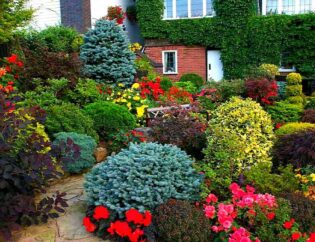
Planting moisture-loving species not only helps manage water levels but also adds visual interest and ecological value to the garden. Many of these plants are available at low cost from garden centres or online nurseries.
Creating Raised Beds and Pathways
Raising planting areas above the waterlogged ground level is another effective strategy. Raised beds built from timber, brick, or recycled materials lift plants out of the saturated zone and allow you to control the growing medium entirely. A basic raised bed can be constructed for as little as GBP 30 to GBP 150 depending on size and materials. Adding gravel or stepping stone pathways across the garden also reduces the amount of mud tracked into the home and makes the space more usable during wet months.
Working With a Specialist Studio
While many of these steps can be handled independently, working with an experienced landscape design studio can help you develop a coherent plan that addresses all the issues at once. At ecolandscapestudio.com, the focus is on sustainable, ecologically sound solutions that work with the natural behaviour of your garden rather than against it. A professional consultation can identify problems that are not immediately visible and suggest targeted interventions that save money in the long run by avoiding unnecessary work.
The Real Cost of Transformation
When you add up the realistic costs — aeration, organic matter, a French drain, appropriate planting, and some raised beds or pathways — a comprehensive muddy garden transformation can often be achieved for between GBP 500 and GBP 3,000. That represents a potential saving of GBP 47,000 or more compared to the highest contractor quotes. The key is to diagnose the problem accurately, prioritise the most effective solutions, and take a phased approach that spreads costs over time while delivering real, lasting results.