A small backyard does not have to feel like a limitation. With the right approach to yard landscaping design, even a compact outdoor space can become a genuinely comfortable place to spend time, entertain guests, or simply enjoy a quiet morning. The key is making intentional choices about layout, materials, planting design, and how each element works together within the space you have.
At Ecolandscape Studio, we work with homeowners who often feel stuck when facing a small yard. The good news is that thoughtful residential landscape design can completely change how a space reads and functions, without requiring a major renovation or a large budget.
One of the most effective small backyard design techniques is using vertical space. When horizontal square footage is limited, going upward with trellises, climbing plants, or tall narrow shrubs draws the eye up and makes the yard feel taller and more open. Vertical greenery also adds privacy landscaping without eating into your usable floor area.
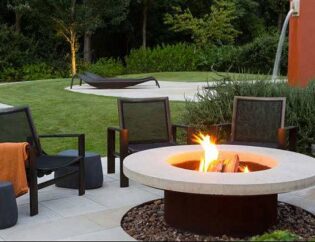
Choosing the right patio landscaping ideas matters just as much as planting. A well-placed patio or seating area, even a small one, anchors the space and gives it a clear purpose. Using large-format pavers or continuous materials without too many breaks creates a cleaner, more expansive look. Busy patterns and too many different materials tend to make small spaces feel cluttered and smaller than they are.
Mirrors placed on fences or walls are a simple trick borrowed from interior design. Outdoor-rated mirrors reflect light and greenery, adding visual depth that makes the yard appear to extend further than it does. This works especially well in shaded or enclosed backyards where natural light is limited.
Curved pathways and garden edging ideas that guide the eye through the space rather than cutting it into rigid sections also help. A gentle curve in a path or planting bed creates a sense of movement and discovery, which psychologically makes a space feel larger.
Martin Palma, founder and CEO of Ecolandscape Studio, often points out that one of the most common mistakes in small backyard design is trying to fit too much in. In his experience working with compact residential properties, the yards that feel most spacious are the ones where the designer had the discipline to leave breathing room, to resist adding one more raised bed or one more seating area, and instead let each element have enough space to read clearly on its own.
Low maintenance garden design is especially valuable in a small yard because every plant is visible and contributes to the overall impression. Choosing plants with multiple seasons of interest, good structure, and manageable size means you get more visual value without constant upkeep. Native plant garden design fits naturally here because native species tend to be well-adapted to local conditions, require less water, and support local pollinators, making them a practical and ecologically sound choice.
Lawn alternatives are worth considering seriously in a small backyard. Traditional grass requires regular mowing, watering, and feeding, and in a tight space it can look patchy and worn from foot traffic. Ground covers, decomposed granite, permeable pavers, or a mix of low-growing plants can replace lawn while reducing maintenance and improving the overall look of the yard.
Landscape lighting ideas play a bigger role in small spaces than many homeowners expect. Soft, layered lighting placed at different heights, along pathways, in planting beds, and overhead, extends the usability of the space into the evening and adds warmth and dimension after dark. A small backyard that is well-lit feels intentional and inviting rather than cramped.
Color and texture in planting design also influence how a space feels. Using a restrained palette with a few complementary tones rather than a mix of competing colors creates cohesion. Repeating the same plant or material in different spots ties the design together and gives the eye a sense of rhythm, which reads as order and spaciousness.
For homeowners dealing with water limitations or dry climates, drought tolerant garden design and xeriscape garden design principles apply just as well to small backyards as to larger properties. Replacing thirsty plants with water-wise alternatives reduces maintenance and keeps the yard looking good through dry seasons without constant irrigation.
The most useful thing to remember when approaching a small backyard is that scale and simplicity are your best tools. A few well-chosen plants, a clear layout, quality materials, and good lighting will always outperform a crowded space full of competing ideas. Start with what the yard needs to do for you, then design around that function, and the space will feel exactly as large as it needs to be.