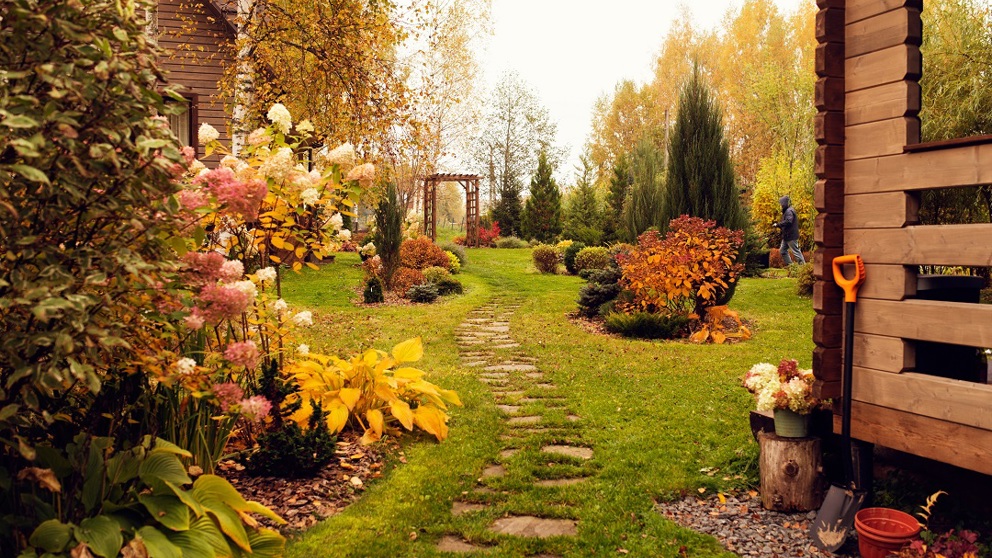
An autumn garden is a unique space that transforms with the arrival of cooler weather, bringing vibrant colors and textures. At Ecolandscape Studio, we believe that creating such a garden requires a thoughtful approach, taking into account the characteristics of the site and the careful selection of plants. We’ve put together several practical tips to help you turn your garden into a stunning corner that will delight the eye all the way into winter.
Assessing and Choosing the Right Spot for Your Autumn Garden
Before starting the design of your autumn garden, it’s crucial to thoroughly analyze your plot. The ideal location for planting is one that receives ample sunlight or is in partial shade. This will promote the proper growth of autumn plants, which need sufficient light for active growth, while plants that prefer partial shade will continue to bloom for a longer period.
To create striking contrasts and highlight the autumn color palette, choose plants that will look particularly stunning in sunlight. For example, Japanese maples, ornamental grasses, and trees such as ginkgo and sugar maple can create a unique atmosphere. The soft sunlight touching their leaves adds extra charm and creates an interesting visual effect.
Research and Inspiration for Your Autumn Garden
Before diving into the project, it’s important to find inspiration. Taking walks in local parks and gardens, as well as exploring various online resources and books, will help you decide which plants are best suited for your region and which garden style you prefer. This will not only broaden your understanding of autumn garden possibilities but also help you understand how certain plants can alter the atmosphere of your garden.
As Martin Palma, the founder of Ecolandscape Studio, points out: «Autumn is when the garden truly transforms, becoming not only beautiful but also a cozy retreat. It’s important to choose plants that will delight you both in the autumn and winter months. A garden that retains its appeal even in the cold season is wonderful, and plants that add vibrant accents after the leaves have fallen can be especially rewarding.»
Designing Your Autumn Garden
Once you have gathered ideas and selected your plants, it’s time to start designing. Begin with a simple sketch that will help you visualize how different plants will look in your garden. This can be the design for a new flower bed or the addition of autumn plants to existing borders, which will refresh the landscape.
Pay particular attention to the scale of the plants. For smaller gardens, compact varieties of trees and shrubs, such as miniature Japanese maples or dwarf hydrangeas, are ideal. Larger plots, on the other hand, can accommodate bigger trees, such as oaks and ginkgos, creating a striking composition that will be visible from a distance.
Choosing Autumn Plants for Your Garden
Now that your design and plot are ready, it’s time to choose the plants that are ideal for an autumn garden. At Ecolandscape Studio, we recommend focusing on plants that feature autumnal characteristics – vibrant foliage, decorative fruits, or interesting seed pods.
Some of the best autumn plants we recommend include:
- Trees: ginkgo, Japanese maple, dogwood, sugar maple
- Shrubs: barberry, heather, witch-hazel, viburnum
- Perennials: chrysanthemums, echinacea, Japanese anemone
- Climbers: clematis, verbena, grapevine
- Bulbs: amaryllis, autumn crocus, dahlias
Caring for Your Autumn Garden
It’s important to remember that an autumn garden requires special care during this transitional season. Regular watering, autumn pruning, and preparation for winter will help plants survive the cold months and maintain their decorative qualities. We recommend paying attention to soil moisture levels and keeping it in optimal condition, especially for drought-sensitive plants.
Our clients often overlook the fact that an autumn garden not only requires careful design but also ongoing maintenance. Simple tasks like watering and trimming can help plants maintain their visual appeal throughout the season.
When creating an autumn garden, it’s essential to consider the characteristics of your plot and choose plants that will not only be beautiful in the autumn but will also bring a sense of coziness throughout the year. Every element should be carefully planned so that the garden remains attractive even in colder months.
Taking care of plants throughout the season is key to the long-term beauty of the garden. Periodic attention, proper watering, and pruning will help keep plants healthy and maintain their ornamental value.