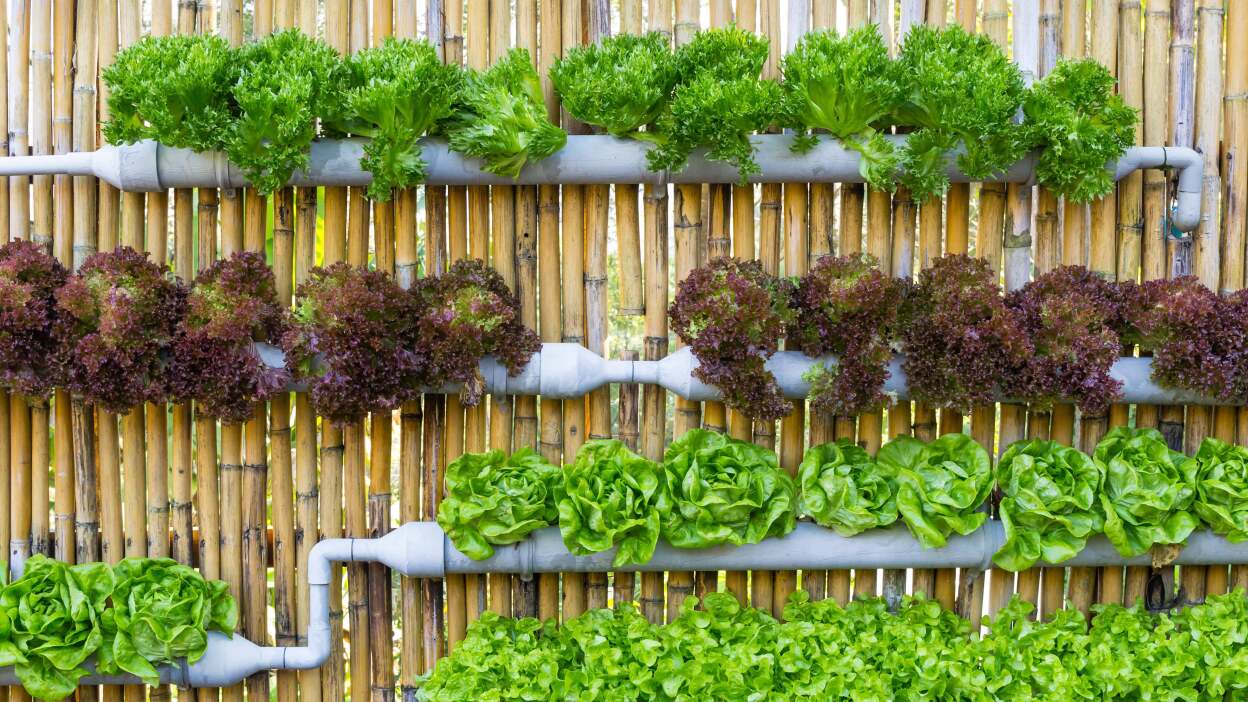
Vertical hydroponic gardens are an excellent solution for growing plants in limited spaces, particularly in cities where every square meter is valuable. Hydroponics allows you to efficiently use vertical space while producing high-quality products. At Ecolandscape Studio, we believe that a vertical hydroponic garden is not only functional but also aesthetically pleasing.
As Martin Palma, the founder and CEO of Ecolandscape Studio, said: «Vertical hydroponic systems allow us to integrate nature into urban landscapes while maintaining high functionality and minimal resource consumption.» In this guide, we will walk you through how to create and maintain such a system, as well as which plants are best suited for hydroponics.
Why Vertical Hydroponics is the Solution for Your Garden
Vertical hydroponics is one of the most efficient technologies for growing plants in limited spaces. It allows you to use height rather than surface area to place your plants, making it perfect for urban environments. In addition, hydroponics significantly reduces water and fertilizer consumption as the solution circulates through a closed system.
The benefits of vertical hydroponics are clear: it allows you to make the most of limited spaces, such as balconies or rooftops, and grow plants in urban conditions. Water and nutrients circulate in a closed loop, which significantly improves their use and reduces resource consumption. Plants receive all the necessary elements directly to their roots, accelerating growth and increasing yield. Furthermore, hydroponics helps avoid many issues related to pests and diseases because plants are not grown in soil. Vertical hydroponics is not just a practical solution; it’s an opportunity for everyone to make their home greener and more environmentally friendly, even without a large garden or backyard.
What You Need to Create a Vertical Hydroponic Garden
To create a vertical hydroponic system, you will need a few key components. Many of these are easy to find in specialty stores, but it’s important to choose quality materials to ensure the system operates effectively and lasts long.
Essential Materials for Creating a Vertical Hydroponic Garden:
- Frame and Structure: This can be a pre-made vertical unit or a DIY structure. It’s best to use durable materials, such as PVC pipes or metal, that are easy to assemble and sturdy enough to support the weight.
- Hydroponic Components: These include pumps for water circulation, nutrient solution reservoirs, tubes, fittings, and other components. Choose items that meet your power and durability requirements.
- Lighting: For indoor spaces with insufficient natural light, you will need special LED plant lights. These lamps provide the right spectrum of light that accelerates plant growth.
- Measuring Instruments: Use pH meters and testers to control the pH and nutrient concentration. This will help maintain optimal growing conditions.
At Ecolandscape Studio, we recommend starting with a complete hydroponic kit if you are new to this. These kits come with all the necessary components, so you won’t have to worry about picking individual items.
How to Properly Set Up a Vertical Hydroponic System
Proper setup is crucial for the system’s effective operation. It’s important to carefully assemble all components and ensure that the system functions smoothly.
Start by installing the frame of the vertical hydroponic system, ensuring it is stable and strong enough to bear the weight of the water, nutrient solutions, and plants. If you’re building your frame, choose materials that ensure durability. Next, install the hydroponic components: the nutrient solution reservoir, pump for water circulation, and tubes, making sure the water is evenly distributed to all plants. Ensure the correct lighting is in place by installing LED lights so that they cover the entire garden. This is particularly important if the system is indoors, as plants need sufficient light to grow properly. Before planting, thoroughly check the system for leaks and confirm it operates effectively to avoid future issues.
What Plants to Choose for Hydroponics?
Not all plants adapt equally well to a hydroponic system. It’s best to start with easy-to-grow, fast-growing plants.
Ideal Plants for Vertical Hydroponics:
- Leafy Greens: Lettuce, spinach, cabbage — these plants grow quickly and require minimal attention.
- Herbs: Basil, parsley, mint, and thyme — these herbs thrive in hydroponic systems and are commonly used in cooking.
- Vegetables and Berries: Tomatoes, peppers, and strawberries can also be grown hydroponically, but they require more care as they need additional growing conditions.
Tip from Ecolandscape Studio: Start with herbs and greens. This will help you get familiar with the system quickly and understand how hydroponics works before moving on to more demanding plants.
Maintenance of Your Vertical Hydroponic System
Maintaining your vertical hydroponic system is key to its longevity and stable operation. Regularly check the pH level and nutrient concentration in the solution to ensure optimal growing conditions. Periodic cleaning of the system from nutrient residues and debris is also necessary to prevent clogging and ensure that all components operate smoothly. Additionally, carefully monitor the condition of your plants, checking for any signs of diseases or pests. Although hydroponic plants are not subject to soil-borne diseases, they can still be attacked by pests, so timely intervention is important to prevent further issues.
Martin Palma also advises: «If you notice any problems, such as yellowing leaves or wilting plants, don’t delay in addressing them. The sooner you spot an issue, the easier it will be to fix.»
Creating a vertical hydroponic garden is a great opportunity for anyone who wants to bring green technologies into their life, even in limited spaces. Hydroponics helps solve the problem of land scarcity, minimizes water and fertilizer use, and creates a beautiful, eco-friendly environment.
At Ecolandscape Studio, we are confident that vertical hydroponics is not only a technological solution for modern landscapes but also a way to create a unique and sustainable garden. Growing fresh vegetables and herbs right at home or on your balcony is not only convenient but also brings joy and satisfaction.