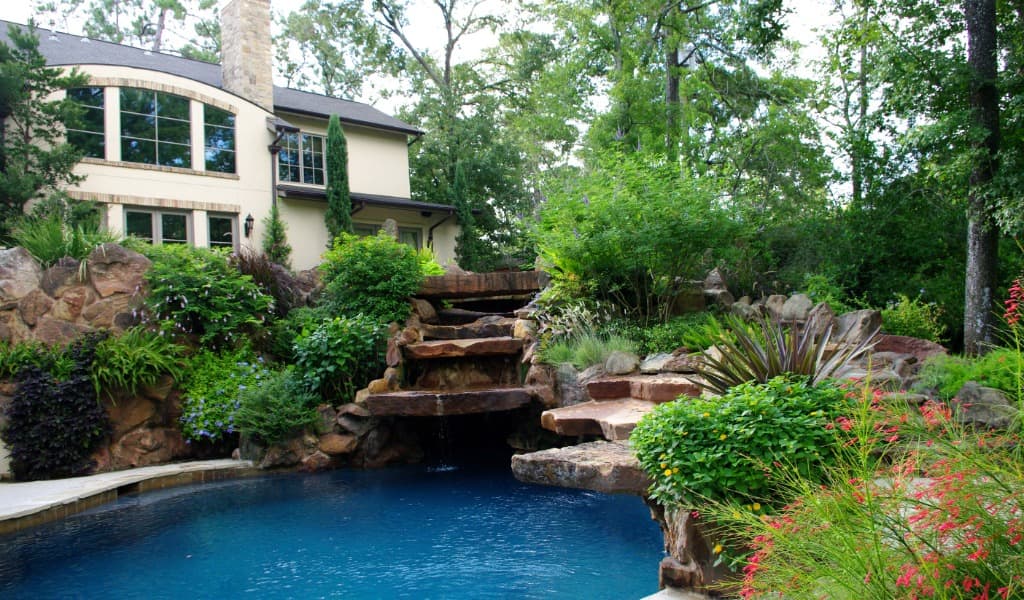
Creating a harmonious and sustainable garden that perfectly blends into the natural landscape is a task that requires attention to detail and a professional approach. At Ecolandscape Studio, we always focus on the concept of integrating the garden with the surrounding landscape, creating a space that is not only beautiful but also environmentally sustainable. In this article, we share recommendations on how to organically integrate your garden with nature, taking into account the landscape’s features and ecological principles.
Why Integrate the Garden with Nature?
Integrating the garden into the natural environment is a crucial step in landscape design. It not only helps maintain the natural balance but also ensures that the garden looks natural and harmonious. At Ecolandscape Studio, we understand that when designing suburban plots, it’s essential to consider both the natural features and the aesthetic preferences of the owners, creating a space that seamlessly blends with the surrounding landscape.
As Martin Palma, the founder and CEO of Ecolandscape Studio, noted, «Integrating the garden with nature is not just about enhancing the appearance of the site, but also maintaining the ecological balance, which is the foundation of sustainable landscape design.»
How to Assess the Natural Conditions of the Site?
Before starting the design process, it’s essential to thoroughly study the natural conditions of the site. This is a key point, as understanding the soil, climatic conditions, and sunlight exposure allows you to select plants and elements that will best suit your landscape. It’s important to recognize which natural resources and elements are already present on the site, such as trees, water bodies, rocks, and other features that can be incorporated into your garden.
The principle of minimal intervention in nature not only preserves the ecosystem but also improves the quality of life, reducing the need for frequent maintenance.
Native Plants: Benefits for the Garden and Landscape
One of the most important aspects of integrating the garden with nature is using native plants. These plants are perfectly adapted to the climate of your region and require minimal care. Native plants are generally more resistant to diseases and pests, and they help maintain local biodiversity by attracting insects and birds.
At Ecolandscape Studio, we often recommend incorporating native species into the design to enhance the garden’s ecological sustainability and reduce reliance on chemical fertilizers and pesticides.
Preserving Natural Elements: Rocks, Trees, and Water Features
One of the key elements of sustainable landscape design is preserving natural features such as old trees, rocks, streams, and water bodies. These natural elements can be effectively integrated into the garden design, creating interesting accents while preserving the site’s inherent beauty.
For example, stone compositions can form the basis for creating natural pathways or decorative walls, while old trees not only add charm to the garden but also provide natural shade and protection from the wind.
How to Create Smooth Transitions Between the Garden and Nature?
The smooth transition between the garden and the surrounding landscape is an important aspect that allows for harmony and avoids harsh contrasts between artificial and natural elements. Using plants with different textures and colors helps create seamless transitions between various garden zones and the natural landscape.
Ecolandscape Studio recommends using plants of varying sizes and shapes, such as shrubs, vines, and perennials. These plants will serve as a connecting link between different zones of the garden and the natural environment.
Choosing Plants for Integration: How to Pick the Right Species?
Choosing the right plants is crucial to successfully integrating the garden with nature. We recommend using plants that not only suit the climatic conditions but also blend with the local flora, adding diversity and dynamism to the garden. Native species, perennials, and shrubs form a stable foundation that will support the garden’s health and reduce the need for frequent plant replacement.
Mixing colors and textures also helps diversify the garden’s visual appeal, making it more interesting and lively throughout the year.
Benefits of Integrating the Garden with Nature
Creating a garden that seamlessly integrates with nature has many advantages. First, it contributes to ecosystem balance by improving soil quality and supporting biodiversity. Second, such a garden requires less maintenance and uses fewer resources, such as water and fertilizers.
A garden integrated with the surrounding landscape is not only aesthetically pleasing but also helps maintain the health of the ecosystem, reducing the need for chemical interventions and creating a sustainable space for future generations.
Integrating the garden with nature is not just a design technique but a philosophy that helps create sustainable and harmonious landscape spaces. At Ecolandscape Studio, we are confident that with the right approach to design, you can create a garden that is not only beautiful but also environmentally clean, efficient, and easy to maintain.
The process of integration requires knowledge, patience, and a creative approach, but the results always justify the effort. Such a garden will delight you and your family for many years, becoming part of the surrounding landscape, maintaining the balance of nature, and providing a comfortable and beautiful space for living.
If you would like to learn more about how to integrate your garden with the natural landscape, we at Ecolandscape Studio are always ready to offer our services and professional expertise to bring your project to life.









