Amid global climate change and water scarcity, more and more gardeners and homeowners are beginning to consider xeriscaping. This landscaping technique, which minimizes water consumption, is not only economically beneficial but also an important step toward a more sustainable future. At Ecolandscape Studio, we offer unique advice on creating a xeriscape landscape that will delight the eye and require minimal watering costs. In this blog, we’ll outline the key principles that will help you get started with your project and share expert insights from our founder, Martin Palma, on this approach.
What is Xeriscape Landscaping?
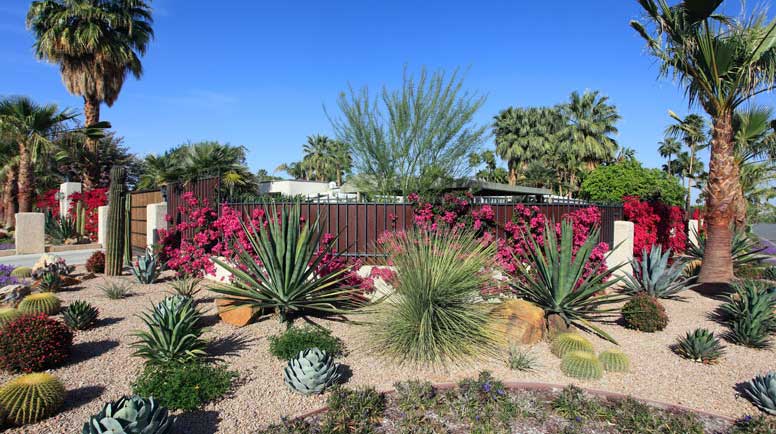
Xeriscape landscaping, or xeriscaping, is a landscaping concept based on using plants that require minimal watering and are adapted to dry, arid climates. Unlike traditional gardens that depend on frequent watering, xeriscaping aims to create sustainable ecosystems that thrive even in conditions with limited water resources.
At Ecolandscape Studio, we believe that this approach not only saves water but also helps create a beautiful, harmonious landscape that’s easy to maintain.
«When I started working with xeriscaping, I realized that it’s not just a trend, but an important step in addressing the issue of water consumption. Proper use of native plants and natural materials allows us to create aesthetically pleasing and climate-resistant landscapes,» says Martin Palma, founder and CEO of Ecolandscape Studio.
Why Choose Xeriscape Landscaping?
The main advantage of xeriscape landscaping is the significant reduction in water consumption. A garden designed according to xeriscaping principles requires much less watering, which is especially relevant in hot climates. According to studies, properly chosen plants and effective planning can reduce water consumption by 50% or more.
Xeriscape gardens generally require much less maintenance than traditional, water-dependent gardens. By using native plants that are adapted to your climate zone, you reduce the need for regular watering and upkeep. Stones, gravel, and other decorative elements make the garden not only beautiful but also less reliant on frequent intervention.
Xeriscape landscaping also helps maintain local flora and fauna. By using native plants, you not only reduce water consumption but also create more natural conditions for local animals and insects.
How to Create Your Own Xeriscape Garden?
Before starting your project, it’s important to assess the climate conditions of your region. Native plants are the best choice for creating a sustainable xeriscape, as they are already adapted to local weather conditions and require less water.
Our advice: choose plants that root easily and can withstand drought, such as succulents, lavender, and cacti — excellent options for hot climates.
Incorporating elements like stones, gravel, and trees helps reduce the need for plants while adding visual appeal and texture to the landscape. Stones and gravel not only decorate the garden but also help retain moisture in the soil, reducing evaporation.
Although xeriscaping emphasizes minimizing watering, it’s important to use efficient systems such as drip irrigation to optimize water use. Mulching also plays a key role by conserving moisture, preventing soil overheating, and helping control weeds.
Expert Opinion from Ecolandscape Studio
At Ecolandscape Studio, we have been designing and implementing xeriscape solutions for many years. Our specialists believe that creating a sustainable and efficient garden is not only beneficial but also ecologically essential. Adopting xeriscape landscaping helps significantly reduce water consumption, improve garden resilience, and create a space that will remain beautiful for years to come.
Martin Palma also highlights: «Each project is unique, but we are always focused on optimizing resource use, including water. It’s important for our clients to understand that a xeriscape garden is not just about saving money, but also about creating green oases that require minimal maintenance.»
The Importance of Using Native Plants
Incorporating native plants is key to successful xeriscape design. They are perfectly adapted to your region’s conditions and use significantly less water. Additionally, such plants often require fewer fertilizers and are more resistant to diseases.
According to a study by the National Gardening Association, using native species helps create sustainable ecosystems where plants and animals can coexist harmoniously.
Xeriscape landscaping is not just a trend, but a necessity in the face of limited natural resources. By carefully choosing plants and materials, you can create a beautiful, sustainable, and cost-effective garden. At Ecolandscape Studio, we are confident that adopting xeriscaping principles is one of the best ways to conserve water, enhance the ecosystem, and make your garden more beautiful and livable.
If you want to make your garden more eco-friendly and economical, don’t delay in designing a xeriscape garden. Contact us today, and we will help you create a space that will delight you while supporting your region’s ecosystem.