Designing a new house or building on a site is not just about creating a comfortable living space, but also about preserving nature. At Ecolandscape Studio, we believe that properly integrated buildings and gardens help preserve the natural features of the land and create a harmonious space. In this article, we share recommendations on how to preserve nature during construction, minimize environmental impact, and create a sustainable and eco-friendly environment.
Why Is Landscape Preservation Important During Construction?
Preserving natural elements during construction is not only a matter of beauty but also ecological responsibility. The goal in design is not just to place a building, but to preserve the ecosystem of the site. Proper integration of the building and garden helps avoid problems such as biodiversity loss, soil degradation, and disruption of water drainage. The environmental consequences of poor design can be long-term and quite costly to rectify.
Martin Palma, founder and CEO of Ecolandscape Studio, shares his experience: «It’s important not just to build a house, but to create a space that will organically blend with nature. This minimizes the impact on the ecosystem and preserves the natural beauty of the site.»
How to Properly Integrate Buildings into the Landscape?
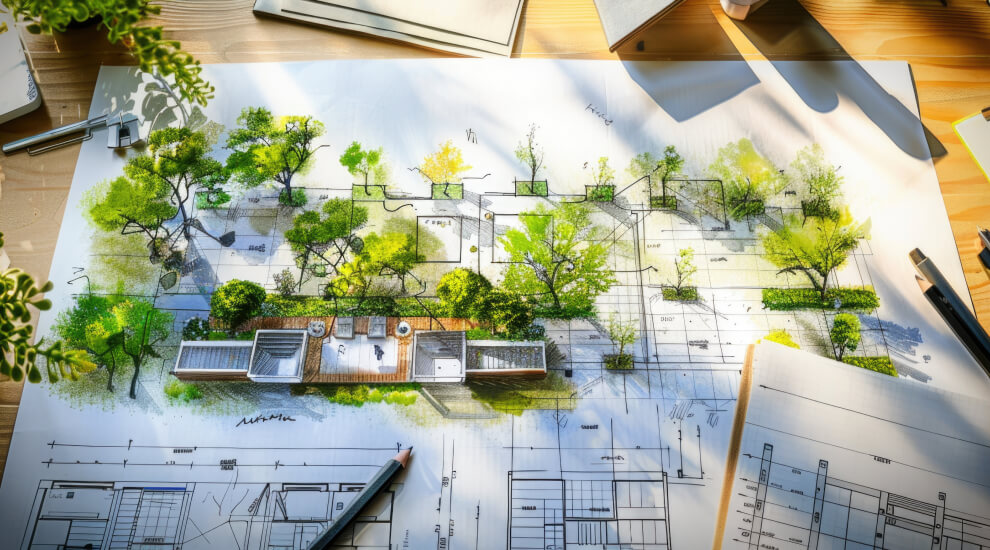
Proper integration of a building into the landscape requires a careful approach at every stage, from evaluating the site to selecting construction materials. Let’s look at the main aspects that help preserve nature and create a harmonious space.
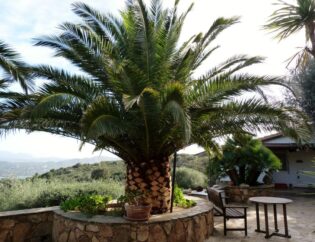
The first step is to assess the site before construction. Before starting the design, it’s important to carefully study the terrain, vegetation, and hydrology of the site. For example, if the site has a complex relief with natural slopes or water bodies, this should be taken into account when placing the building, so that you can use the advantages of nature, such as protection from wind or shade, as well as optimize the water drainage system. Preserving trees and other plants is also an important aspect. Old trees can become part of the landscape design, providing not only aesthetic value but also improving the climate on the site by offering shade and reducing the air temperature.
Hydrology is also of great importance. For instance, the presence of water bodies or natural drainage paths requires special attention during design to avoid flooding or water drainage issues. Therefore, it’s crucial that these features are considered when designing the house.
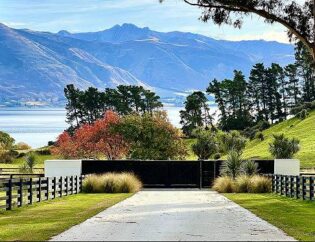
Once the site is properly evaluated, we move on to the placement of the building. It’s important for the house to blend seamlessly with the environment and make use of the natural features of the site. This can be achieved by carefully placing the building, taking into account the terrain and existing natural barriers. For example, a house located on a slope can benefit from wind protection, while a site near a water body can provide cooling during summer. It’s also important to preserve green spaces, such as old trees and bushes, as they not only add a special atmosphere to the site but also play a role in maintaining the ecosystem.
Protecting plants is also an essential process. Construction work can damage plants, so they need to be protected or relocated. Install protective barriers around trees and shrubs to avoid damaging their root systems, or carefully transplant plants to other parts of the site if they obstruct construction. This helps preserve the ecosystem and prevents damage to the vegetation.
When it comes to using materials, it’s important to choose natural and eco-friendly materials for construction, such as stone and wood. These materials not only harmonize with the natural landscape but also resist external factors such as rain or sun. For example, stone pathways and retaining walls can not only enhance the garden but also prevent soil erosion, while wood used for building terraces and other garden elements will add warmth and coziness to the space.
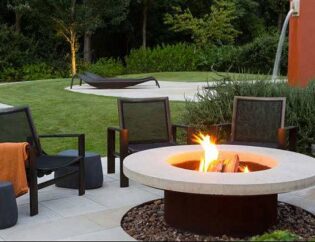
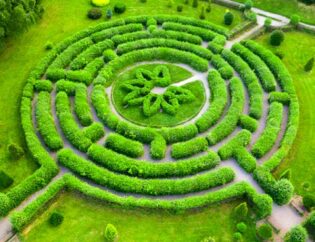
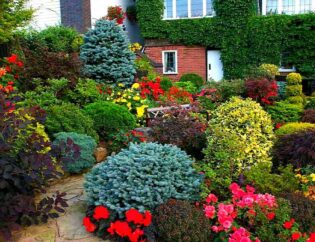
Landscaping also plays a significant role. It’s important to choose plants that match the climate conditions and ecosystem of the region. Local plants are typically better adapted and require less maintenance and watering, making them ideal for landscaping. This also helps preserve the ecological balance. Additionally, zoning the site is an important aspect of landscape design. Divide the site into several functional zones, such as a relaxation area, garden, and play zone, to create a convenient and functional space.
Minimizing Environmental Impact
To minimize the environmental impact of construction, it’s important to use sustainable technologies and eco-friendly materials. Implementing technologies like rainwater collection systems, solar panels, or energy-efficient heating and lighting systems can significantly reduce the carbon footprint and increase energy efficiency.
Using recyclable materials or natural elements, such as wood, stone, or clay, helps reduce the burden on the environment. The use of such materials also contributes to the longevity of the structures and improves their integration with nature.
Martin Palma emphasizes: «Every project at Ecolandscape Studio is focused on minimizing environmental impact and creating sustainable solutions. We always strive to offer clients the most eco-friendly and cost-effective solutions for their properties.»
Integrating buildings into the landscape is not just about designing a house; it is a comprehensive process that requires careful attention. To preserve the landscape and create a harmonious space, several key aspects must be taken into account:
- Thorough site evaluation to identify its features and minimize potential issues in the future.
- Proper placement of the building, taking into account natural features such as terrain, vegetation, and hydrology.
- Plant protection and relocation to preserve important landscape elements.
- The use of natural materials in construction to promote harmony with the surrounding landscape.
- Landscaping and proper zoning of the site to improve its functionality and aesthetics.
At Ecolandscape Studio, we are always ready to help you create a space that is not only beautiful and cozy but also ecologically sustainable, seamlessly blending nature with architecture. By following these recommendations, you can preserve the landscape and create a space that will delight you and your family for many years.