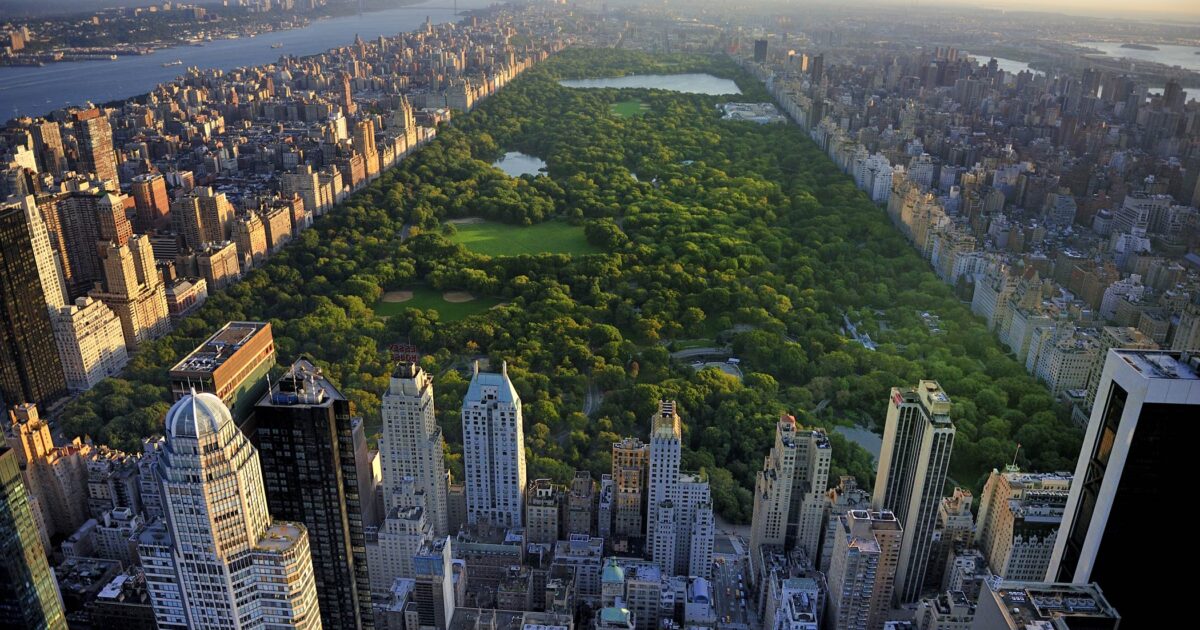
Central Park in New York is not just one of the most visited landmarks in the world, but also a recognized example of how nature can be successfully integrated into an urban environment. Created in the mid-19th century, the park still serves as an inspiration for landscape designers, and despite its historical significance, many of the ideas and concepts from Central Park remain relevant in modern landscape projects. At Ecolandscape Studio, we offer several practical ideas for creating harmonious and functional landscape solutions on your property, just like those found in the famous park.
What Makes Central Park Unique?
Central Park was designed with great attention to detail and the needs of the city and its residents. It became an example of how natural elements can be organically integrated into a densely populated metropolis. Frederick Law Olmsted and Calvert Vaux created not just a green space, but an entire ecosystem with zones for rest, sports activities, cultural events, and family picnics. Notably, the park project became one of the first major urban landscape projects where the needs of various social groups and types of users were taken into account.
According to the American Society of Landscape Architects (ASLA), Central Park is one of the first examples where both natural and architectural elements were carefully considered in terms of functionality and aesthetics. The park is proof that thoughtful planning and a balance between nature and architecture can create a space that serves various purposes from relaxation to active entertainment.
How to Apply Central Park’s Principles to Modern Landscape Design?
Inspired by the design of Central Park, its core principles can be integrated into your own landscape design, adapted to modern conditions. One of the key lessons we can learn from this space is the ability to create multifunctional and flexible zones that meet the diverse needs of users. Central Park expertly combines areas for quiet relaxation, active pursuits, and cultural events, and these approaches can be used on your property. For example, you can designate separate areas for peaceful walks, sports activities, or family gatherings. Multifunctional spaces that serve several purposes help make the area more convenient and functional, as well as ensure maximum use of every corner.
It’s also important to note the significance of creating harmony between nature and architecture. In Central Park, architectural elements such as paths, benches, bridges, and small ponds are placed in such a way that they do not conflict with nature, but rather complement it. This interaction between nature and human intervention in space design is a crucial aspect for modern landscape projects as well. Architectural elements should not overcrowd the space, but instead highlight the natural beauty. The use of natural materials like stone or wood also helps integrate architecture into the landscape, creating a more organic and natural appearance.
Equally important is the focus on ecology. Central Park became one of the first examples of sustainable landscape design, taking into account the natural characteristics of the area and using local plants. At Ecolandscape Studio, we also adhere to the principle of using eco-friendly materials and plants that are adapted to the local climate. Choosing such plants helps reduce the need for constant maintenance and watering, while also improving the overall ecosystem of the area. Eco-friendly materials and sustainable water management systems, such as rain gardens and rainwater harvesting systems, are increasingly used in modern landscape projects, significantly reducing the environmental impact.
As Martin Palma, founder and CEO of Ecolandscape Studio, noted, «Central Park clearly demonstrates the importance of considering the needs of users in a space and finding the optimal balance between natural and artificial elements. We always strive to embody this concept in our projects, creating landscape solutions that are not only beautiful but also functional.»
«Landscape design is both an art and a science, aimed at creating comfortable living conditions in harmony with nature. Our clients are increasingly aware of the importance of ecology, and we strive to offer them sustainable and long-term solutions that meet modern standards,» adds Martin.
How to Apply Central Park’s Principles to Your Own Property?
Ideas inspired by Central Park can serve as an excellent foundation for creating a garden that is not only beautiful but also functional. The key principle is the creation of multifunctional zones. Areas adjacent to the house can be divided into separate zones: for relaxation, active play, or, for example, for socializing with friends and family. This approach makes the area more convenient for different purposes and users, whether they are adults, children, or even pets.
Furthermore, it’s essential not to forget about the ecological approach. The introduction of local plants, as well as the use of sustainable and durable materials like natural stone or recyclable materials, helps not only improve aesthetic value but also contributes to preserving the ecosystem of the area. Thus, your landscape project will not only be beautiful but also resilient to climate changes.
In summary, Central Park’s experience provides valuable ideas for creating a space that serves not only for relaxation but also for meaningful interaction with nature, which in turn enhances the quality of life.
Creating a landscape inspired by Central Park involves striving for harmony between architectural elements and natural features. Dividing the space into functional zones and using sustainable materials will help you create a versatile and durable property that will delight the eye and provide a reliable functional space for the whole family.









