Inspiration for landscape designers can be drawn from numerous sources, and one such source is the Rose Garden in Paris. This famous project combines beauty, tradition, and ecological sustainability. At Ecolandscape Studio, we believe that studying such projects helps us create beautiful and environmentally friendly spaces for our clients. In this blog, we would like to share our thoughts on this garden and show how its ideas can inspire the creation of sustainable and visually appealing landscape solutions for your property.
History of the Rose Garden: Cultural Heritage and Modern Ecological Approaches
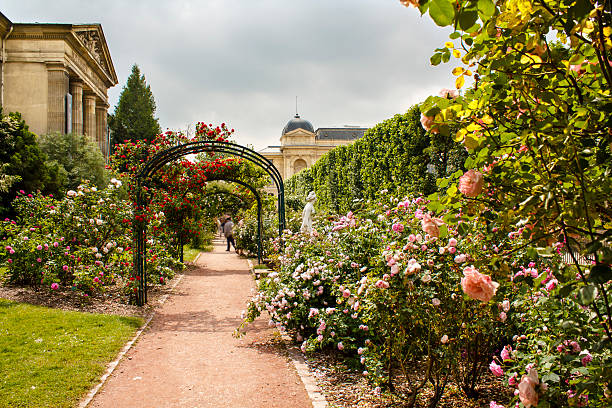
The Rose Garden, located in the famous Luxembourg Gardens in Paris, has become one of the most renowned examples of French landscape design. The garden was designed in 1930 at the initiative of Jean-Louis Jérémy, who was inspired by French gardening traditions and decided to create a unique space dedicated exclusively to roses. Today, the garden is not only a popular tourist attraction but also a symbol of harmony between nature and culture.
As Martin Palma, the founder and CEO of Ecolandscape Studio, noted, “Visiting the Rose Garden was an eye-opener for me. This place vividly demonstrates the importance of combining ancient traditions with modern ecological solutions. I admire how the garden maintains a balance between aesthetics and nature, which is something we value deeply in our landscape projects.”
Design of the Rose Garden: Creating Harmony Between Nature and Art
One of the main features of the Rose Garden is its thoughtful design, which blends elements of the classic French garden with modern ecological landscape design approaches. It is important to note that the project uses both aesthetic and ecological solutions that help maintain the garden’s harmony and sustainability.
The garden is divided into several zones, each dedicated to a specific type of rose. This not only creates visual variety but also gives each plant enough space to grow. The combination of different rose varieties and the careful use of color helps the garden remain harmonious throughout different seasons.
As Martin Palma asserts, using various plant species, as well as paying attention to the geometry and symmetry of the garden, not only creates aesthetic appeal but also improves the microclimate of the site. “I always emphasize the importance of properly combining elements. This helps create a garden that is not only beautiful but also functional,” he says.
Particular attention should be paid to the use of water in landscape design. In the Rose Garden, the central element is a fountain, which is not only a decoration but also helps create a comfortable atmosphere. Water helps maintain the proper humidity level and supports a healthy microclimate for the plants. It also attracts wildlife and birds, which contributes to maintaining biodiversity.
Roses as a Symbol and Element of Ecological Design
Roses in the Rose Garden are not just ornamental plants, but also important symbols that embody beauty, love, and harmony. In different cultures, roses are associated with various meanings, which allows for the creation of a garden that is not only beautiful but also filled with significance. In landscape design, we often focus on how plants can create an atmosphere and convey emotions, and roses are ideal for these purposes.
At Ecolandscape Studio, we always consider both aesthetic and ecological aspects when designing gardens. It is important to select plants that will be resilient to local climate conditions and require minimal care. This helps minimize the use of chemical fertilizers and creates a healthy ecosystem on the site. This approach helps create not only a beautiful but also an environmentally sustainable garden that will delight you for years.
Ecological Sustainability: The Rose Garden as a Model of Modern Eco-Design
The Rose Garden in Paris has become a vivid example of ecological sustainability and efficient use of natural resources. The project actively employs environmentally friendly methods of plant care, helping to preserve the harmony of nature and maintain the garden’s sustainability.
According to Martin Palma, “One of the main lessons I learned by studying this garden is that sustainable gardening is not only beneficial for nature but also for the garden owners themselves. A garden designed with ecological principles in mind requires fewer resources and less maintenance, making it more durable and cost-effective.” This highlights the importance of integrating sustainable solutions into landscape design, such as using organic fertilizers, rainwater harvesting systems, and native plants.
We recommend that our clients follow similar principles when designing their gardens. Instead of using chemical fertilizers and synthetic materials, choose environmentally friendly solutions that will support not only the health of the plants but also the ecosystem as a whole.
Recommendations for Designing a Garden
If you want to bring the ideas from the Rose Garden to your property, at Ecolandscape Studio, we offer a few simple but effective recommendations for creating an environmentally friendly and visually appealing garden. First, it is important to use local plants that are adapted to the local climate and require minimal care. This will not only reduce the need for chemical fertilizers but also help preserve the natural balance.
Also, pay attention to water features. Installing a small pond or fountain will not only add aesthetic value but also help maintain the right humidity on the property. It’s essential to choose natural materials, such as stone or wood, for building pathways and other elements to minimize the use of plastic and other synthetic materials.
The Rose Garden in Paris is not only an example of French garden art but also an important lesson for modern landscape design. This project shows how traditions and innovations can be combined to create sustainable and environmentally friendly spaces.
At Ecolandscape Studio, we always strive to ensure that our projects not only delight the eye but also adhere to the principles of sustainable development. The Rose Garden has been an important source of inspiration for us, and we are happy to share these ideas with our clients. May your garden be not only beautiful but also environmentally clean, ensuring harmony with nature for many years to come.