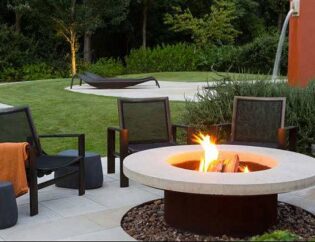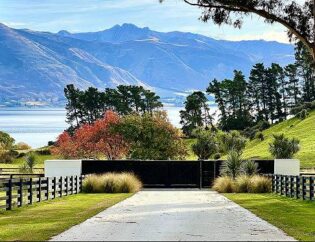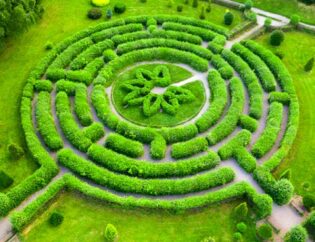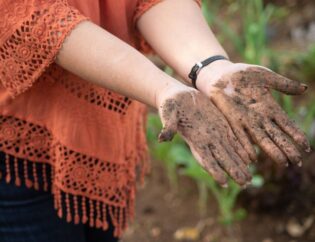
Landscape design is the art of creating beautiful and harmonious spaces where natural elements play a key role. In a world of landscape design that is increasingly focused on sustainability, it is essential to use nature as a central element. At Ecolandscape Studio, we believe that harmony with nature is the foundation for creating sustainable and eco-friendly solutions. In this article, we share our experience in integrating natural elements such as plants, water features, and natural landforms into landscapes, and explain how they can enrich your space.
Why is it Important to Consider Nature When Designing a Landscape?
Integrating natural elements into a landscape is a necessary condition for achieving harmony and sustainability. In recent years, it has become increasingly clear that ecological approaches in landscape design not only help create aesthetically pleasing spaces but also maintain balance in ecosystems.
Martin Palma, founder and CEO of Ecolandscape Studio, explains: «We always start a project with a deep analysis of the site’s natural features. This allows us not only to preserve nature but also to enhance its beauty.» We believe that every site should be not only beautiful but also environmentally sustainable.
How to Properly Integrate Natural Elements into Landscape Design?
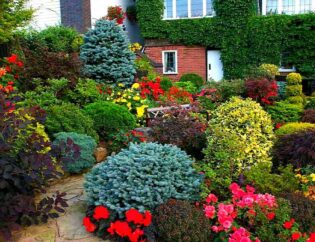
Plants — The Foundation of Design
Plants are a key element that determines the visual appeal and functionality of a site. It is important to choose plants that not only look good but are also adapted to the climate and soil. This reduces the need for additional care and minimizes the use of chemical fertilizers.
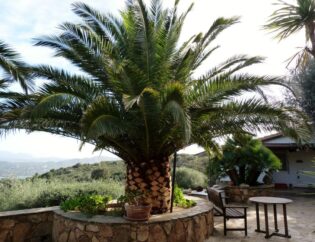
Expert advice: At Ecolandscape Studio, we always choose native plant species that support ecological balance, promote biodiversity conservation, and require minimal maintenance. Native plants are ideal for any landscape because they are naturally adapted to the conditions of your region.
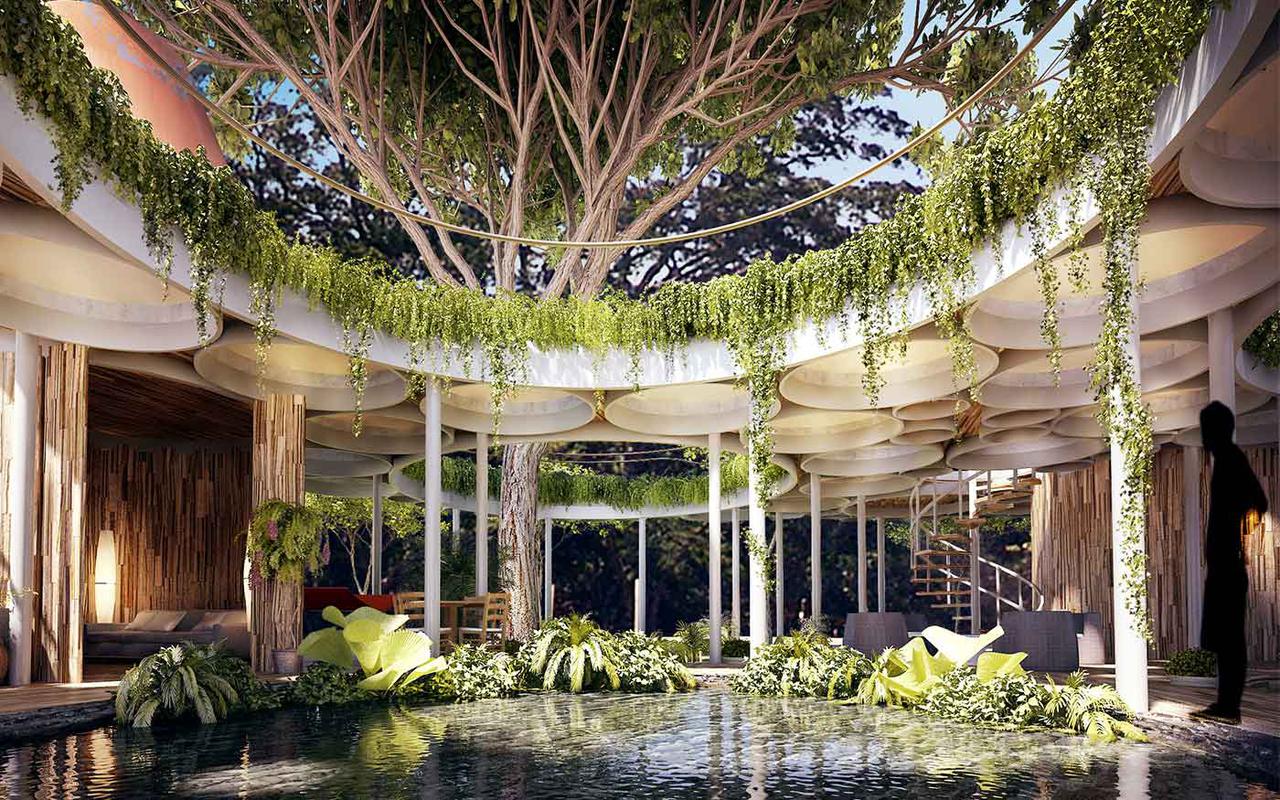
Water Features and Water Elements: Water features can become the focal point of your space, creating a calming atmosphere and improving the microclimate. However, it is important to remember that water features must be environmentally friendly. At Ecolandscape Studio, we design water features with sustainability in mind: they are not only beautiful but also functional, helping to preserve biodiversity and maintain the hydrological balance.
Research shows that water features such as ponds and streams can serve as natural water filters, helping to preserve the ecosystem. Using filtration plants like reeds or sedges helps purify the water and prevent algae growth.
Natural Landforms: Natural elements such as rocks, hills, and wooded areas create a sense of harmony with nature and help integrate the landscape into the surrounding environment. By using natural forms, you can improve drainage, prevent erosion, and create private spaces for relaxation. This also contributes to better air circulation and noise reduction.
Our projects at Ecolandscape Studio, such as the «Green Oasis,» which uses natural landforms and stones, have proven that natural landscape features are not only beautiful but also functional, ensuring sustainability and durability.
Recommendations for Successfully Integrating Natural Elements
- Choose native plants. Native plant species are better adapted to the climate and conditions of your site, require less care, and do not disrupt the ecosystem’s balance.
- Create functional water features. It’s important to not only design a beautiful water feature but also consider its ecosystem, including filtration plants, to keep the water clean and minimize maintenance.
- Use natural landforms. Rocks, hills, and natural curves in the landscape help create not only aesthetically pleasing but also functional areas, improving drainage and protecting the site from erosion.
- Plan for sustainability. Every decision in landscape design should be aimed at sustainability, both from an ecological perspective and in terms of cost-effectiveness and longevity.
Integrating natural elements into landscape design is the key to creating sustainable, eco-friendly, and beautiful projects. It’s not just about considering the visual aspects of plants and water features but also about caring for the ecosystem. As Martin Palma noted: «Nature will always be our greatest ally in creating harmonious landscapes. When we consider its needs, we create a space that will last for many years.» At Ecolandscape Studio, we are confident that the right combination of nature and design allows us to create not only beautiful but also functional spaces that bring joy to their owners.
By following these principles and recommendations from professionals, you will be able to create a harmonious space that will delight you for years to come while fostering sustainable interaction between people and nature.