At Ecolandscape Studio, founded and led by Martin Palma, we understand that modern life requires flexibility, and gardening is no exception. It’s often difficult to find time for constant garden maintenance, but at the same time, you want to create a beautiful, harmonious space that pleases the eye. At our studio, we design projects that require minimal maintenance while remaining environmentally sustainable and aesthetically pleasing. In this article, we share expert recommendations for creating a garden that requires minimal upkeep but looks as beautiful as your favorite oasis.
Choosing Plants Suited to Your Climate
The correct choice of plants is the first and most important step in creating a low-maintenance garden. At Ecolandscape Studio, we always emphasize using local and climate-adapted plants. Such plants are better suited to external conditions, whether it’s drought, frost, or pests, minimizing the need for constant intervention.
Local species have natural resilience and don’t require frequent watering or pest control. For example, in arid climates, succulents like agave and echinacea thrive, while in more humid areas, ferns and vines are ideal for shaded spots. These plants can withstand temperature fluctuations and don’t require constant care, while still maintaining their beauty throughout the year.
We also recommend using perennial plants, which do not need to be replanted every year. This way, you can save time and effort without compromising the aesthetic appeal of your garden.
Integrating Automatic Irrigation Systems
One of the key aspects of minimizing garden maintenance is the use of automated irrigation systems. At Ecolandscape Studio, we implement advanced solutions such as drip irrigation and sprinkler systems with timers, which allow watering to be regulated based on plant needs and weather conditions.
Why is drip irrigation so important? This method is designed to save water and deliver moisture directly to the roots, minimizing waste and preventing overwatering. As a result, plants receive the optimal amount of water, and you eliminate the need to monitor watering manually.
Additionally, we always recommend installing soil moisture sensors that automatically adjust the irrigation intensity depending on weather conditions. This helps save both time and water, which is especially important in regions with limited water resources.
Mulching: Saving Time and Resources
Mulch is one of the most effective methods for garden maintenance, and we always recommend using it in our projects. Mulching helps maintain stable soil temperatures, retains moisture, and protects plant roots from overheating or freezing.
At Ecolandscape Studio, we prefer to use organic mulch, such as wood bark, hay, or straw, because it not only improves soil structure but also enriches it with organic matter. Mulch also prevents weed growth, significantly reducing the need for weeding.
Moreover, organic mulch gradually decomposes, improving soil fertility, reducing the need for chemical fertilizers, and providing additional nourishment. This also encourages the development of beneficial microorganisms in the soil.
Using Soil Amendments and Fertilizers
In our projects, we always focus on the quality of the soil, as it is the foundation of plant health. For minimal maintenance, it’s essential to use effective soil amendments such as compost, vermicompost, or natural minerals, which enrich the soil with nutrients and improve its structure.
How do soil amendments help minimize maintenance? These materials help maintain proper moisture balance in the soil and enhance its water-holding capacity, reducing the need for frequent watering. Compost and vermicompost also increase soil fertility, allowing plants to grow faster and healthier without frequent fertilization.
We always recommend our clients use natural fertilizers, which not only support plant health but also maintain the ecological balance of the garden.
Garden Planning Based on Zoning
One of the key principles we follow at Ecolandscape Studio is proper planning and zoning. A garden designed with the needs of each plant in mind will require minimal care. We always pay attention to the natural microclimates of the site: sunny and shaded areas, wet and dry zones. This allows us to place plants with similar light and water requirements in appropriate spots, reducing the load on the irrigation system and overall garden maintenance.
For example, in sunny zones, we recommend drought-resistant plants like lavender and thyme, while in shaded areas, plants that tolerate shade and moisture, such as ferns and hostas, are ideal. This approach reduces the need for extra watering and simplifies plant care.
Using Durable Materials for Pathways and Flowerbeds
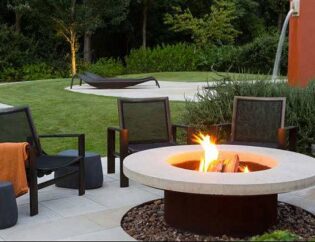
A key element in creating a low-maintenance garden is choosing durable and weather-resistant materials for pathways, flowerbeds, and decorative elements. At Ecolandscape Studio, we actively use natural materials such as stone, gravel, tiles, and concrete elements, which not only provide longevity and strength but also prevent weed growth.
Using such materials helps reduce the time spent on garden maintenance since they do not require regular replacement and are easy to clean from debris and leaves. Stone paths and platforms create aesthetic and functional zones that blend seamlessly into any landscape design.
Creating a garden that requires minimal maintenance is an art, and it’s something we at Ecolandscape Studio take great pleasure in implementing under the leadership of our founder and CEO Martin Palma. Through the right choice of plants, the implementation of advanced technologies, thoughtful planning, and the use of sustainable materials, we create landscape projects that maintain their beauty and ecological sustainability without the need for constant intervention.
Minimal maintenance does not mean that the garden will be boring or unattractive. On the contrary, with the right approach, your garden will delight you with its harmony and neatness, leaving you free to enjoy its beauty.