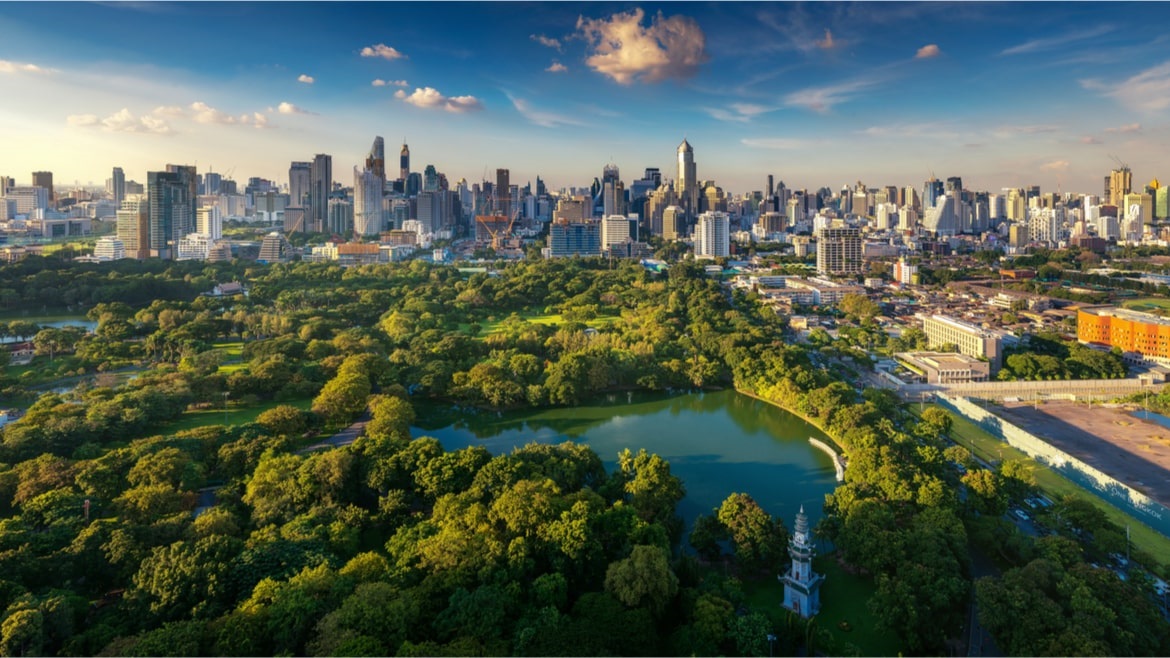
Cities of the 21st century are facing numerous environmental challenges, including high levels of air pollution, a shortage of green spaces, and increasing temperature anomalies. Urban nature regeneration through the integration of green elements into landscape design has become an integral part of the strategy for creating sustainable and ecologically clean cities. At Ecolandscape Studio, we believe that the thoughtful use of nature-based solutions in cities contributes not only to environmental improvement but also to creating a comfortable urban environment for people.
Green Plantings and Air Purification
Modern megacities suffer from air pollution, which directly impacts the health of city dwellers. According to the World Health Organization (WHO), air pollution causes approximately 7 million premature deaths annually. The most harmful pollutants to health are particles containing carbon dioxide (CO₂), nitrogen oxides (NOₓ), and particulate matter (PM2.5 and PM10). Green plantings play a crucial role in reducing the concentration of these substances in the atmosphere. Plants absorb carbon dioxide, filter pollutants, and release oxygen, which helps improve air quality.
In addition, trees and shrubs trap dust and other fine particles, preventing them from entering the respiratory system. Forests and parks act as natural filters, which is critical for megacities with high levels of vehicular traffic and industrial pollution.
Urban Heat Island Effect and Temperature Reduction
The so-called «urban heat island» effect has become one of the main issues for cities. Unlike rural areas, cities absorb and retain more heat, leading to a temperature increase of several degrees. This effect becomes particularly noticeable during the summer months when temperatures in the city can be 5-10°C higher than in surrounding areas.
The inclusion of green elements in the landscape, such as trees, shrubs, and grass cover, helps reduce temperatures through the process of evaporation, where plants release water into the atmosphere, cooling the surrounding air. Additionally, green spaces can create a «microclimate» where the temperature is significantly lower than in the rest of the city. This improves living conditions and reduces reliance on air conditioning, which in turn lowers energy consumption.
Psychological and Emotional Impact of Green Spaces
Cities have a significant impact on the psychological and emotional well-being of their inhabitants. Excessive noise, pollution, and the fast pace of life often lead to elevated stress levels. Green spaces in urban environments help reduce stress, increase satisfaction, and improve the well-being of people. Research shows that spending time in natural places improves mood, reduces anxiety, and even promotes faster recovery from physical exertion.
Martin Palma, the founder and CEO of Ecolandscape Studio, notes: «We often see how transformed green spaces become centers of attraction for people. In these places, people recover, spend time with their families, socialize, and engage in sports. This is an important aspect that we always consider when designing.»
Moreover, these spaces become venues for social activities and interactions, strengthening bonds between city dwellers and supporting social health.
Restoring Biodiversity in Cities
Urbanization leads to significant changes in ecosystems, often disrupting natural biological cycles and reducing biodiversity. However, proper green space design can restore ecological balances and bring back species that were lost due to urban development. Green plantings attract not only birds, insects, and other animals but also help maintain local ecosystems.
Parks and squares become refuges for local species of flora and fauna, which contributes to increasing their population in urbanized environments. At Ecolandscape Studio, we always carefully select plants for urban projects, focusing on their ecological sustainability and ability to support biodiversity.
Green Roofs and Vertical Gardens: Utilizing Space on New Levels
Every year, cities face the challenge of limited space for creating new green areas. In response to this, innovative approaches such as green roofs and vertical gardens have been developed to utilize space in the vertical plane. Green roofs, covered with vegetation, serve as a natural barrier against heat and help with building insulation. This not only improves the city’s ecosystem but also reduces energy costs for heating and cooling.
At Ecolandscape Studio, we see the potential of such solutions as a way to enhance the quality of life in densely populated areas. For example, installing vertical gardens on building walls not only increases green spaces but can also significantly improve the aesthetic appeal of the city.
Water Resource Management Systems in Urban Environments
Effective management of water resources is an important aspect of sustainable landscape design. Rainwater harvesting systems, bioswales, water bodies, and even green drainage channels help not only reduce flooding in cities but also conserve water. Rain gardens and filtration systems help naturally purify wastewater, improving the ecosystem and preventing the pollution of rivers and lakes.
Green plantings in these systems absorb water, prevent its excessive accumulation, and make the urban landscape more resilient to climate change.
Transforming Cities with Green Solutions
Urban nature regeneration and the integration of green elements into the urban environment are important steps toward creating sustainable and ecologically friendly cities of the future. At Ecolandscape Studio, we see great potential in integrating nature into urban landscapes. Green plantings not only purify the air and create comfortable living conditions but also help address environmental challenges such as climate change and biodiversity loss.