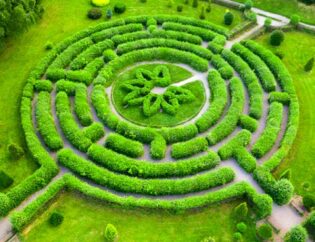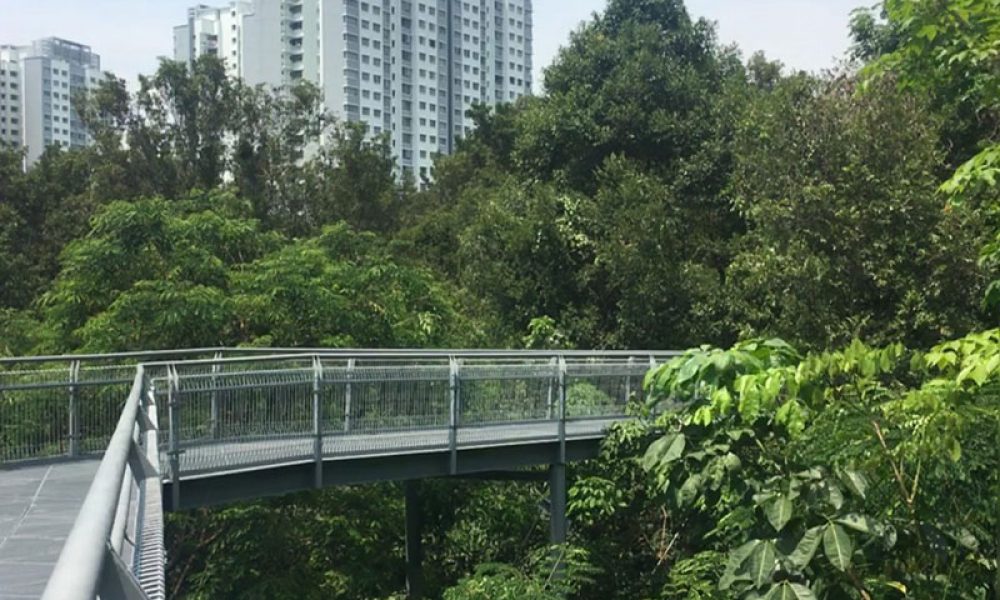
Biophilic design is gaining popularity in landscape architecture, offering the opportunity to integrate nature into spaces in a way that not only enhances their beauty but also improves their functionality. At Ecolandscape Studio, we actively incorporate these principles because we believe nature plays a crucial role in creating comfortable and healthy environments. In this article, we will discuss how biophilic design enhances the quality of landscape solutions, providing examples from practice and additional data from other sources.
Biophilic Design: Creating a Deep Connection with Nature Through Space
Biophilic design is based on the principle that contact with natural elements is essential for the psycho-emotional and physical well-being of individuals. This approach focuses on using natural forms, materials, and ecosystems to create spaces that promote health and well-being. At Ecolandscape Studio, we believe that every detail of a landscape should be carefully designed in accordance with biophilic principles, ultimately resulting in spaces that harmoniously interact with nature.
Martin Palma, the founder and CEO of Ecolandscape Studio, says, «Our projects are always grounded in the principles of biophilic design. It is important to us that the space not only serves functional purposes but also helps restore the balance between people and nature.»
Using Natural Materials and Forms
The use of natural materials is a key element of biophilic design. Materials such as stone, wood, and clay help create sustainable and durable solutions that are not only aesthetically pleasing but also integrate into the ecosystem. An important aspect is the use of local plants, which reduce maintenance needs, help preserve biodiversity, and support the regional ecosystem.
One example of this approach is the «The High Line» project in New York, which transformed an old railway line into a green space where local plant species and natural materials are actively used. This solution not only added beauty and functionality but also contributed to the improvement of the city’s microclimate.
Green Plantings and Water Elements: Creating a Living Ecosystem
Research confirms that plants and water features have a significant impact on human health and emotional well-being. For example, studies conducted by the Center for Environmental Studies at Oregon State University show that being in spaces with greenery and water bodies helps reduce stress, improves mood, and enhances cognitive function.
At Ecolandscape Studio, we actively include a variety of plant life to create an ecosystem that supports health and biodiversity. The incorporation of water elements such as ponds and fountains not only improves the aesthetic experience but also helps regulate temperature and humidity, creating a comfortable atmosphere.
Using Natural Lighting and Ventilation
Biophilic design takes into account natural sources of lighting and ventilation. Studies show that maximizing the use of sunlight not only reduces energy costs but also significantly improves physical well-being. According to a report by the World Green Building Council, workspaces with natural lighting increase employee productivity and reduce stress levels. At Ecolandscape Studio, we always design landscapes with these factors in mind to create spaces that make optimal use of natural resources.
Moreover, proper placement of landscape elements helps improve air circulation, which, in turn, reduces the need for mechanical ventilation and air conditioning, lowering the carbon footprint.
Multifunctional Spaces: Flexibility and Adaptability
Designing multifunctional spaces is one of the core principles of biophilic design. At Ecolandscape Studio, we develop landscape solutions that can be adapted to various user needs. This can range from public parks to private gardens, where the space can be used for active recreation or solitude.
An example of a successful implementation of this approach is the «Maggie’s Centre» project in London, which combines therapeutic and natural elements. This space was created for people undergoing cancer treatment. The use of biophilic design principles creates an environment where patients can recover while surrounded by nature.
Sensory Perception: Harmony of All Senses
Biophilic design includes the creation of spaces that engage all the senses. Incorporating natural sounds, such as the rustling of leaves or the sound of flowing water, as well as various textures that create tactile sensations, helps enhance the perception of the environment. These sensory elements positively impact the psycho-emotional state, reducing stress and improving mood.
Studies published in the Journal of Environmental Psychology have shown that sensory perception of nature enhances concentration, reduces anxiety, and improves cognitive functions. At Ecolandscape Studio, we always pay attention to these aspects when designing our projects, creating spaces that engage all the senses.
Biophilic Design and Human Health
According to the World Health Organization (WHO), biophilic design has a significant impact on human health by improving emotional well-being, reducing stress, and supporting physical health. For example, studies conducted at the University of Calgary (Canada) show that being in nature-filled spaces improves circulation, reduces blood pressure, and increases energy levels.
Martin Palma emphasizes, «Our projects are aimed at creating spaces that help people recover. We are confident that nature has a direct impact on improving well-being, and our landscape solutions should contribute to that.»
Biophilic Design in the Urban Environment
Urbanization inevitably leads to a shortage of green spaces, negatively affecting ecology and quality of life. Integrating natural elements into urban spaces helps combat pollution, noise, and overheating. As studies by the European Environment Agency show, the implementation of biophilic solutions contributes to reduced air pollution and improved overall health of urban residents.
Designing green zones and public spaces with a biophilic approach is an essential step toward creating sustainable and ecologically safe cities. At Ecolandscape Studio, we believe that urban spaces should support ecological balance and create comfortable living conditions.
Biophilic design is a necessary foundation for creating sustainable and harmonious spaces. At Ecolandscape Studio, we actively implement biophilic principles in our projects, striving to create landscape solutions that enhance the quality of life and well-being of people. Inspired by nature, we design spaces where humans and nature can coexist in harmony, creating sustainable and healthy living conditions.