Abandoned and unused areas in cities are not only a visual problem but also a significant opportunity for sustainable urban development. Ecolandscape Studio believes that transforming such wastelands into green public spaces is a key step toward improving ecology and enhancing the quality of life for urban residents. These projects require a careful approach, including proper planning, the use of innovative solutions, and the involvement of the local community.
Why Abandoned Areas Are a Chance for the City
Abandoned sites, such as old industrial zones, wastelands, or unused parking lots, often become “dead zones” that do not benefit the city. However, these lands can serve as a foundation for creating new green spaces that will positively impact the urban environment. Properly designing such green zones not only improves the aesthetic appearance of the city but also addresses important ecological and social issues.
Green spaces have the ability to purify the air, reduce pollution and noise levels, provide areas for rest and social interaction, and restore biodiversity. They act not only as oases for relaxation but also as vital ecological corridors that support the balance of natural systems within the city. Martin Palma, founder and CEO of Ecolandscape Studio, believes that every wasteland is an opportunity for the city to become healthier and more harmonious: “Green zones not only beautify the city but also enhance the quality of life. It is a step toward improving people’s health and preserving ecosystems.”
Successful Examples of Turning Wastelands into Green Spaces
Drawing inspiration from global best practices, we at Ecolandscape Studio study successful examples that have become models for other cities.
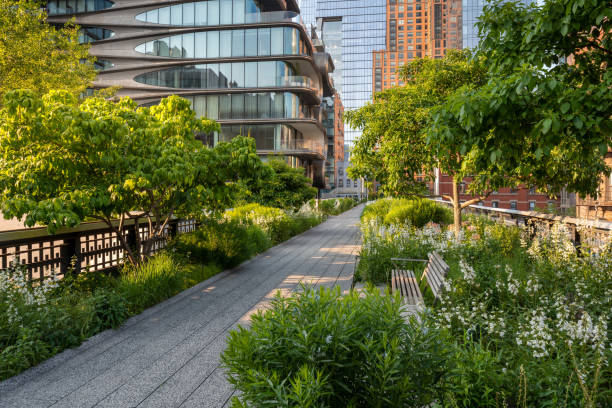
High Line in New York is one of the most famous projects that transformed an old railway line into a unique green space. This project not only beautified the city but also became a cultural center with art installations, cafes, and event spaces.
Promenade Plantée in Paris was also transformed from an abandoned railway line into a green pedestrian zone, offering city dwellers picturesque views and comfortable spaces for walking. Paris serves as an example of how old infrastructure elements can become part of a new, ecologically sustainable city.
In Sydney, the The Goods Line project transformed an old railway line into a green, multifunctional public area. This space has become popular among both locals and tourists, offering not only a space for relaxation but also cultural and educational events.
These examples demonstrate how old, forgotten territories can be transformed into green spaces that serve as important components of the urban ecosystem.
How to Turn a Wasteland into a Green Space?
The process of transforming a wasteland into a public green space requires a comprehensive approach. It is important to consider not only the visual aspects but also the functional elements such as ecology, sustainability, and convenience for urban residents.
At Ecolandscape Studio, we adhere to the principles of ecological sustainable design, which takes the following aspects into account:
Selection of local plants. Local plants are better adapted to the climate and require less water, which reduces the burden on water resources. They also help restore the natural balance and support local ecosystems. For example, we prefer to use drought-resistant and pest-resistant plants, minimizing the need for chemical treatments.
Rainwater harvesting systems. An important element of landscape design is the implementation of solutions for the efficient use of rainwater. Creating rain gardens and using permeable coverings for paths and parking areas allows not only the collection of rainwater but also the restoration of groundwater levels, contributing to the sustainability of the entire urban system.
Creation of multifunctional spaces. Green zones should be flexible and multifunctional. This could be a park with areas for recreation, sports facilities, children’s playgrounds, and even spaces for cultural events. It is important that such spaces are accessible to all, including people with disabilities.
Integration of natural elements. Incorporating elements of biophilic design such as green walls, green roofs, and water features helps integrate nature into the urban landscape, improving not only aesthetics but also creating a favorable environment for the emotional well-being of residents.
Innovations in Landscape Design by Ecolandscape Studio
At Ecolandscape Studio, we actively use innovative technologies and sustainable practices in our projects to create long-term and environmentally friendly green spaces. The application of smart irrigation systems with humidity sensors allows efficient management of water resources, minimizing consumption and improving plant conditions.
Using recycled materials for constructing paths, benches, and other infrastructure elements reduces environmental impact and helps cut down on waste. We also use eco-friendly coatings and materials that contribute to the sustainability of the space.
To create more comfortable conditions for city dwellers and improve the safety of the area, we design illuminated paths and spaces with high visibility. This helps prevent unwanted incidents and makes the area more accessible to everyone.
Community Engagement and the Social Function of Green Spaces
Designing green public spaces is impossible without the involvement of the local community. At Ecolandscape Studio, we believe that involving residents at all stages from design to operation significantly enhances the success of the project. People need to feel that this project is for them, that they can actively participate in its creation and maintenance.
Green spaces can become not only places for recreation but also centers for cultural and educational events. We organize gardening workshops, host ecology lectures, and hold events aimed at raising awareness about sustainable development. These activities create a positive atmosphere and help residents understand how important such spaces are for their well-being.
Martin Palma’s View on the Future of Green Spaces
Martin Palma, founder and CEO of Ecolandscape Studio, believes that the future of cities is tied to their ecological sustainability. “Transforming abandoned areas into green spaces is an opportunity for the city not only to improve its ecosystem but also to strengthen the community, creating a space for communication and rejuvenation. It is a crucial step in the creation of a healthy, comfortable, and harmonious urban environment,” he asserts.
Transforming vacant and abandoned areas into green public spaces is an essential step in creating sustainable cities. At Ecolandscape Studio, we strive to design spaces that not only beautify the city but also improve the ecological environment, support biodiversity, and create spaces for social interaction. Through innovative solutions and the involvement of local residents, we create green zones that become the heart of city life, enhancing urban sustainability and improving quality of life.