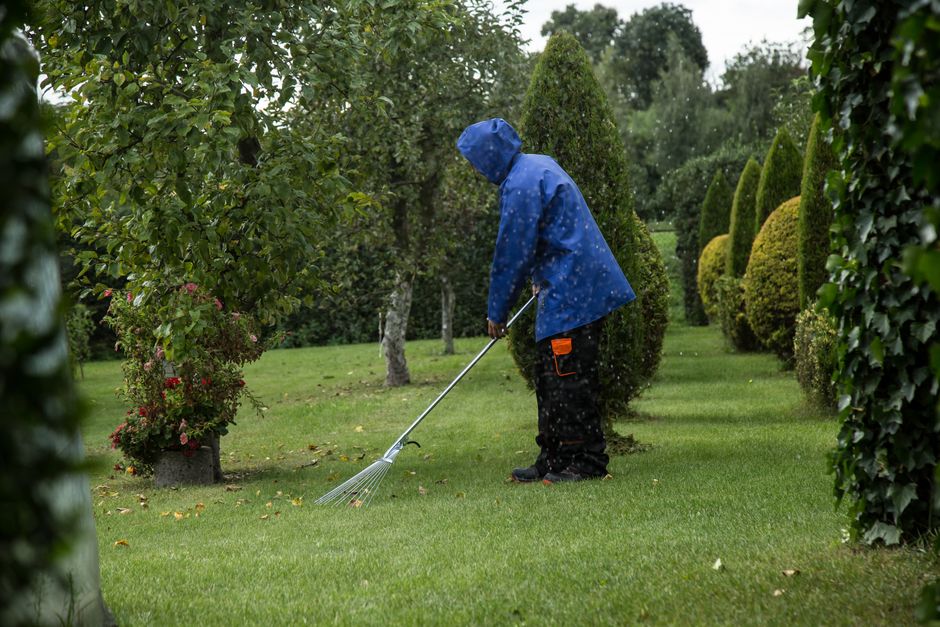
Summer rain can feel like a gift after weeks of heat, but when it arrives in heavy bursts, it can do real damage to your lawn and garden. Waterlogged soil, eroded edges, compacted ground, and washed-out planting beds are all common problems that homeowners face after a serious downpour. The good news is that with the right residential landscape design approach, your yard can handle heavy rainfall without losing its shape, health, or appearance.
The challenge with summer storms is that the ground is often already dry and hard from weeks of heat. When rain hits compacted soil, it has nowhere to go quickly, so it pools on the surface, runs off across paths and driveways, and carries topsoil with it. This is one of the most overlooked issues in backyard landscaping, and it affects everything from your lawn’s root health to the stability of your garden edging.
One of the most effective things you can do is aerate your lawn before summer storms become frequent. Aeration breaks up compacted soil and allows water to penetrate deeper into the ground rather than sitting on the surface. This single step can dramatically reduce puddling and runoff in your yard landscaping design.
Improving your soil structure with organic matter is equally helpful. Compost worked into the top layer of soil increases its ability to absorb and hold moisture without becoming waterlogged. This is especially relevant for homeowners working with clay-heavy soils, which tend to seal up and repel water during heavy rain.
Grading matters more than most people realize. If your yard slopes toward your home’s foundation or toward low spots where water collects, you are setting yourself up for drainage problems every storm season. A proper landscape design assessment can identify where water naturally flows across your property and help redirect it safely away from structures and planted areas.
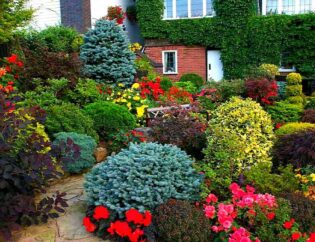
Rain gardens are a practical and visually appealing solution for yards that regularly collect runoff. A rain garden is a shallow planted depression designed to capture and slowly absorb stormwater. Filled with native plant species and water-tolerant ground covers, it functions as a natural filter while adding texture and color to your outdoor living space design. This approach fits naturally into a broader water-wise landscaping strategy and works well in both front yard landscaping and backyard design.
Martin Palma, founder and CEO of Ecolandscape Studio, has seen firsthand how drainage issues develop over time in residential properties. In his experience, most lawn damage from heavy rain is not caused by the rain itself but by design decisions made years earlier — slopes that were never corrected, soil that was never amended, and planting beds that were installed without considering how water would move through the space. Addressing these structural issues early saves homeowners significant time and money compared to repairing erosion damage season after season.
Mulch is one of the simplest tools available for protecting your garden during summer storms. A layer of organic mulch around trees, shrubs, and planting beds slows the impact of heavy rain on bare soil, reduces erosion, and helps retain moisture between storms. It also suppresses weeds and gradually improves soil quality as it breaks down. For small backyard design projects and larger residential landscape design plans alike, mulching is a low-effort, high-return practice.
Garden edging plays a protective role as well. Well-installed edging keeps mulch and soil in place during heavy rain, preventing it from washing across paths or into the lawn. Stone, metal, or composite edging materials all perform well in wet conditions and add a clean, finished look to your yard.
For lawns that struggle with drainage despite these measures, consider replacing sections of traditional turf with lawn alternatives such as ground covers, gravel zones, or permeable paving. These options reduce the total area of grass that needs to drain quickly and can be integrated into a modern garden design without sacrificing the look of a well-kept outdoor space.
Landscape lighting ideas are worth thinking about in this context too. Proper lighting placement helps you spot drainage problems after dark and ensures that water features, rain gardens, and low-lying areas are visible and safe during evening storms.
Taking care of your lawn before and after heavy summer rain is really about understanding how water moves through your property. When your yard landscaping is designed with drainage in mind, from soil preparation to planting design to surface grading, your lawn becomes far more resilient. Small adjustments made now can prevent the kind of erosion, compaction, and root damage that takes seasons to recover from. A thoughtful approach to outdoor living space design means your garden stays healthy and attractive no matter what the summer weather brings.