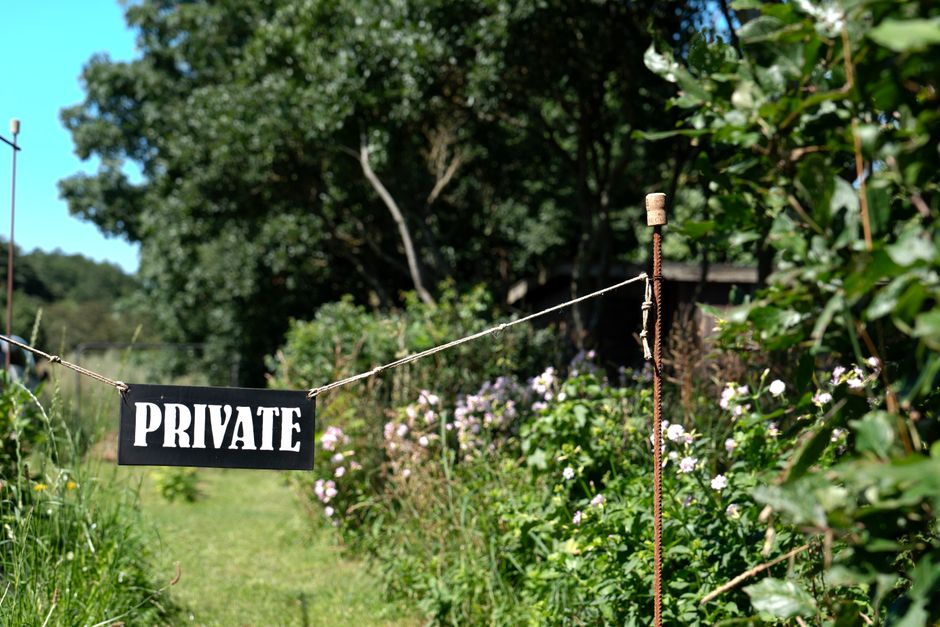
When two of Hollywood’s most beloved figures wanted to protect their private life at home, they didn’t build walls or install security fences. They turned to plants. The Connecticut property shared by Paul Newman and Joanne Woodward became a quiet example of how thoughtful privacy landscaping can feel completely natural while still doing a serious job. For anyone thinking about residential landscape design that balances beauty with seclusion, this garden offers a genuinely useful reference point.
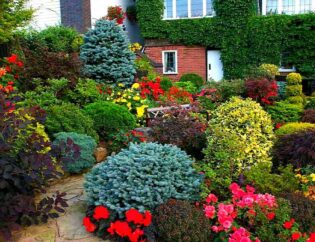
The approach used at the Newman-Woodward property leaned heavily on layered planting design. Rather than relying on a single row of tall hedges, the landscape combined trees, shrubs, and lower plantings at different heights to create a soft, living screen. This kind of layering is one of the most effective strategies in privacy landscaping because it doesn’t look defensive or harsh. It reads as a natural garden, not a barrier.
The key to this style of planting is variety in height and density. Tall canopy trees provide overhead coverage and a sense of enclosure from above. Mid-level shrubs fill in the visual gaps at eye level. Lower plantings soften the base and prevent the design from looking like a wall of green. Together, these layers create a screen that works from multiple angles and distances.
Evergreen species play a central role in year-round privacy. Unlike deciduous plants that drop their leaves in autumn, evergreens maintain their coverage through every season. At the Newman-Woodward property, this principle was applied with a selection of plants suited to the northeastern climate, creating a screen that remained effective even through cold winters.
Spacing matters just as much as plant selection. Planting too tightly can cause overcrowding as plants mature, leading to poor air circulation and disease. Planting too loosely leaves gaps that defeat the purpose. A well-planned privacy screen accounts for the mature size of each plant and spaces them accordingly, sometimes staggering rows to fill visual gaps more effectively.
Martin Palma, founder and CEO of Ecolandscape Studio, has worked on many residential properties where homeowners wanted privacy without sacrificing the character of their garden. In his experience, the biggest mistake people make is choosing fast-growing species purely for speed, without considering how those plants will behave in five or ten years. A plant that fills in quickly can also become invasive, structurally weak, or simply too large for the space. Slower-growing native species often deliver better long-term results, require less maintenance, and integrate more naturally into the surrounding landscape.
For homeowners working with a front yard or backyard, the principles behind this kind of privacy planting translate well to almost any scale. A small backyard design can use a combination of columnar trees and dense shrubs to create a sense of enclosure without taking up too much horizontal space. A larger property can afford wider, more naturalistic groupings that feel more like a woodland edge than a formal screen.
Native plant garden design is worth considering here. Native species are adapted to local conditions, which means they typically require less water, less fertilizer, and less intervention once established. This aligns well with low maintenance garden design goals, especially for homeowners who want a beautiful outdoor living space without constant upkeep.
Drought tolerant garden design and water wise landscaping principles can also be applied to privacy planting. Many evergreen shrubs and trees that work well as screens are naturally resilient once established, making them a practical choice in regions where water conservation matters.
Landscape lighting ideas can complement a privacy planting scheme by highlighting the texture and depth of the plantings at night, turning a functional screen into a genuine design feature. Soft uplighting on trees or path lighting along the base of a shrub border adds warmth and dimension to the outdoor space after dark.
The Newman-Woodward garden is a reminder that privacy and beauty are not competing goals in landscape design. A well-designed planting screen can be one of the most attractive features of a property, adding seasonal interest, wildlife value, and a sense of calm that hard structures simply cannot replicate. Whether you are redesigning a front yard, rethinking a backyard, or planning a full residential landscape, layered privacy planting is one of the most rewarding investments you can make in your outdoor space.