Water-wise landscaping is no longer a niche interest for a small group of eco-conscious homeowners. Across Southern California, communities are actively rethinking how their yards handle rainfall, runoff, and drought cycles. One of the most practical steps happening right now is a public design workshop in Rosemead focused entirely on rain garden design — and it offers a clear model for how residential landscape design can become both beautiful and functional.
The City of Rosemead is hosting a 30% Design Workshop in partnership with PBS SoCal, bringing together residents, landscape professionals, and city planners to develop a community rain garden. The «30% design» stage refers to a specific point in the planning process where the project concept has been developed enough to show the overall layout, plant palette, and drainage approach, but still has room for meaningful community input. This is the phase where real decisions get shaped, and public participation genuinely influences the final outcome.
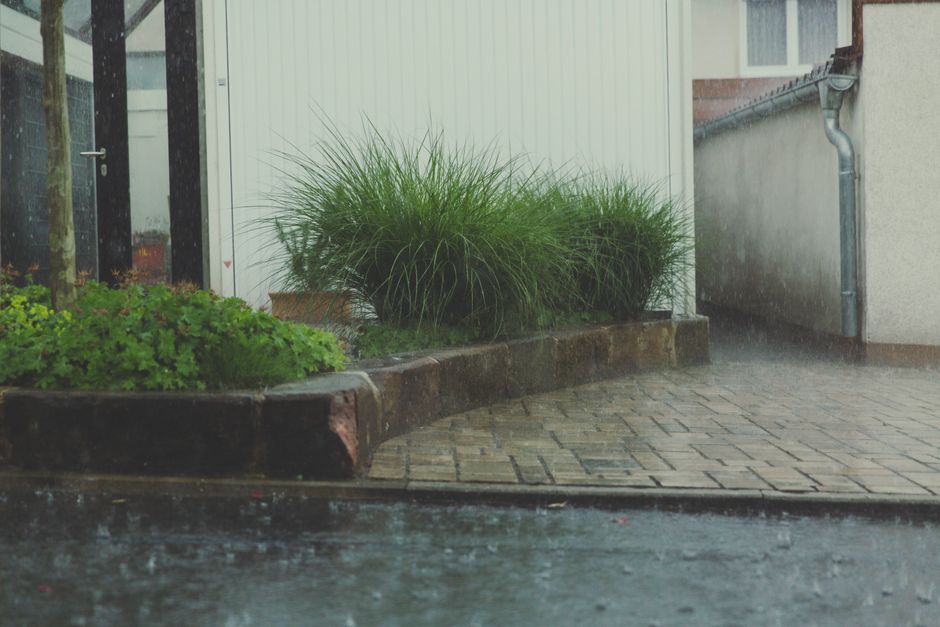
A rain garden is a shallow, planted depression designed to capture stormwater runoff from rooftops, driveways, and paved surfaces. Instead of letting that water rush into storm drains, a rain garden slows it down, filters it through layers of soil and plant roots, and allows it to absorb gradually into the ground. The result is a yard landscaping design that reduces flooding risk, replenishes groundwater, and supports local wildlife at the same time.
For homeowners thinking about backyard landscaping ideas or front yard landscaping ideas, rain gardens are one of the most practical additions available. They work especially well in areas with clay-heavy soil or sloped terrain where water tends to pool or run off quickly. A well-designed rain garden can handle a significant volume of stormwater from a single rain event, reducing the load on municipal drainage systems and keeping your property drier after heavy rain.
The plant selection for a rain garden matters enormously. Native plant garden design is the most effective approach here, because native species are already adapted to local rainfall patterns, soil conditions, and temperature swings. They establish faster, require less supplemental irrigation, and provide habitat for pollinators and birds. A pollinator garden design layered into a rain garden creates a space that is genuinely alive and active through the seasons.
Martin Palma, founder and CEO of Ecolandscape Studio, has worked on several water-wise landscaping projects across the Los Angeles region and points out that the biggest mistake homeowners make with rain gardens is underestimating the importance of the inlet and overflow design. Getting the water in and out of the garden correctly is what separates a functional rain garden from a muddy patch that stays wet too long. The planting design can be stunning, but if the grading and drainage logic are off, the garden will struggle.
What makes the Rosemead workshop particularly interesting from a landscape design perspective is the collaborative format. A 30% design workshop is not a presentation where residents sit and listen. It is a working session where community members review drawings, ask questions, and provide feedback that the design team actually incorporates into the next phase of the project. This kind of engagement tends to produce yard landscaping design outcomes that are more practical, more culturally relevant, and more likely to be maintained over time.
For anyone interested in outdoor living space design or sustainable landscaping, attending or following this type of public process is genuinely educational. You get to see how professionals think through drainage patterns, plant placement, soil amendments, and long-term maintenance requirements. These are the same considerations that apply to small backyard design, low maintenance garden design, or any xeriscape garden design project at the residential scale.
The Rosemead rain garden project also reflects a broader shift in how cities approach lawn alternatives and drought tolerant garden design. Traditional turf lawns are water-intensive, require regular chemical inputs, and contribute very little to local ecology. Rain gardens, native plantings, and permeable surfaces offer a different model — one where the yard does real environmental work while still looking intentional and well-kept.
If you are thinking about a rain garden for your own property, the Rosemead workshop is worth following even if you are not a local resident. The design decisions being made there — plant selection, soil layering, edge treatment, and garden edging ideas — translate directly to residential projects of any size. Watching how professionals balance aesthetic goals with drainage function gives you a much clearer picture of what to ask for when planning your own landscape.
Water-wise landscaping does not have to mean a yard full of gravel and cactus. A thoughtfully designed rain garden can be lush, layered, and genuinely beautiful through every season. The key is starting with good design logic and choosing plants that belong in your climate. That combination is what Ecolandscape Studio works toward on every project, and it is exactly what the Rosemead community is building together.