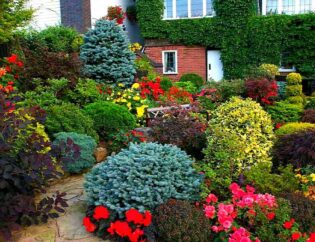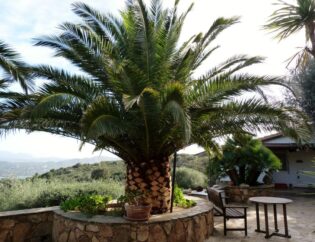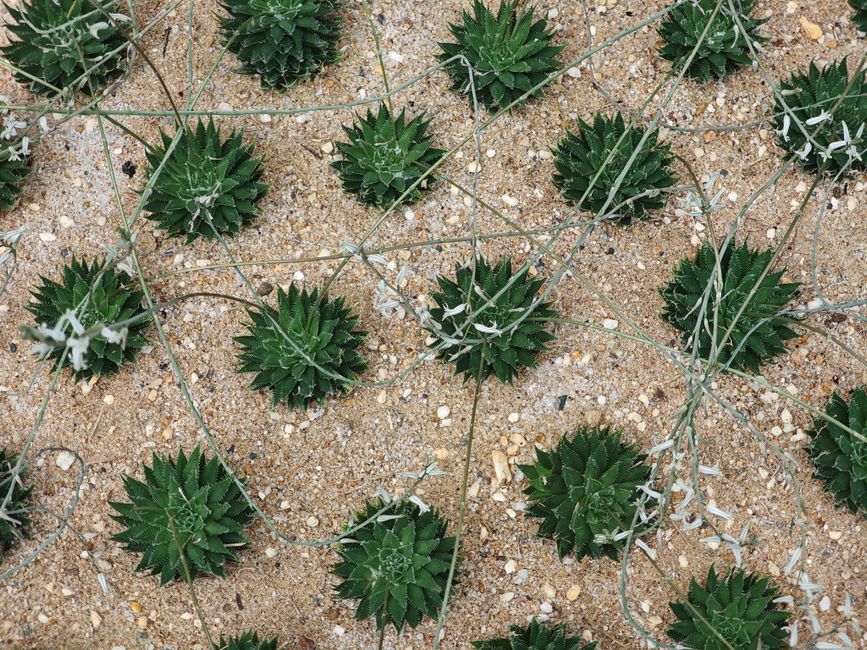
A front yard full of grass sounds like a simple, familiar choice. But for many homeowners across Colorado and other dry western states, that lawn quietly becomes one of the most expensive and demanding features on the property. One Colorado homeowner decided to change that, and the results offer a practical lesson for anyone thinking about smarter residential landscape design.
The homeowner replaced a traditional grass lawn with a native plant garden kit, a pre-selected collection of plants suited to the local climate and soil conditions. The goal was straightforward: reduce water use, lower maintenance demands, and create a yard that could thrive without constant attention. What followed was a real example of how drought tolerant garden design can work at the residential scale, without requiring a full landscape overhaul or a large budget.
Conventional turf grass is one of the thirstiest features in any yard landscaping design. In Colorado, where water restrictions are common and drought conditions are a regular reality, maintaining a green lawn through summer can mean running irrigation systems for hours each week. That adds up quickly, both in water consumption and utility costs.
Native plant garden design offers a different path. Plants that are native to a region have adapted over time to local rainfall patterns, temperature swings, and soil types. Once established, they generally need far less supplemental watering than traditional turf or exotic ornamentals. This makes them a natural fit for water wise landscaping and xeriscape garden design, two approaches that are becoming increasingly relevant for Colorado homeowners.
The native garden kit used in this project made the transition more accessible. Rather than researching individual species and sourcing plants separately, the homeowner received a curated selection designed to work together in the local environment. This kind of packaged approach lowers the barrier to entry for people who want to move toward low maintenance garden design but are not sure where to start.
Martin Palma, founder and CEO of Ecolandscape Studio, has seen this shift play out across many residential projects. In his experience, the biggest hesitation homeowners have is not about the plants themselves, it is about the unknown. A native garden looks different from a lawn, and that unfamiliarity can feel like a risk. But once the planting is established and the water bills start reflecting the change, most clients say they wish they had made the switch sooner. The practical outcome tends to speak louder than any design argument.
The Colorado example is not an isolated case. Across the country, homeowners are rethinking what their front yard landscaping ideas and backyard landscaping ideas should actually deliver. A lawn that requires heavy irrigation, regular mowing, fertilizing, and seasonal reseeding is a significant ongoing commitment. A well-planned native or drought tolerant planting, by contrast, can reduce that workload considerably after the first growing season.
Pollinator garden design is another benefit that often comes with native plantings. Many native species support bees, butterflies, and other beneficial insects that are essential to healthy local ecosystems. This adds ecological value to a property without requiring any extra effort from the homeowner.
For those considering a similar project, a few practical points are worth keeping in mind. Soil preparation matters before any new planting goes in. Removing existing turf properly, whether by solarization, smothering, or mechanical removal, gives native plants a cleaner start and reduces competition from weeds. Mulching around new plants helps retain soil moisture during the establishment period, which is typically the first one to two growing seasons.
Rain garden design can also complement a native planting by directing runoff from roofs or paved surfaces into planted areas, reducing erosion and making better use of whatever precipitation does fall. Garden edging ideas help define the planting beds clearly, which improves the overall appearance of the yard and makes maintenance easier over time.
Landscape lighting ideas are another layer worth considering once the planting is established. Thoughtful lighting can highlight the texture and structure of native plants in the evening, extending the visual appeal of the outdoor living space design into the darker hours.
The shift away from traditional turf toward native plant garden design, xeriscape garden design, or other lawn alternatives is not about sacrificing a beautiful yard. It is about designing one that fits the actual climate, requires less from the homeowner, and delivers more over time. The Colorado homeowner’s experience is a clear example of what becomes possible when the planting design is matched to the environment rather than working against it.