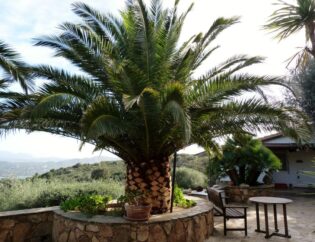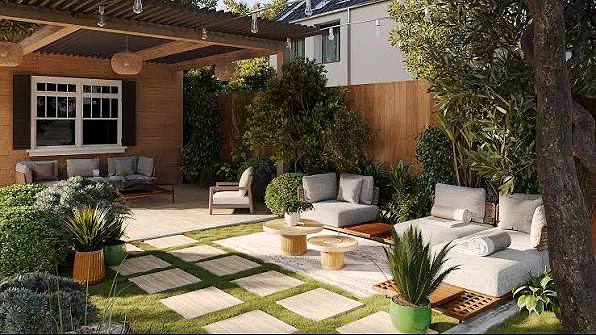
True landscape design becomes an art when a property is no longer perceived as an isolated piece of land but instead evolves into a natural extension of architecture, personal lifestyle, and the surrounding environment. Martin Palma, founder and CEO of Ecolandscape Studio, analyzes every project as a multilayered system in which every element must work together while complementing one another for many years to come. A remarkable garden cannot be created solely through premium materials or rare plants. A harmonious outdoor environment emerges when every line, every planting composition, and every functional solution follows a single concept and contributes to one cohesive visual language.
Before determining the placement of pathways, recreational spaces, or decorative compositions, it is essential to understand how people will interact with the landscape on a daily basis. Some homeowners spend most of their time on outdoor terraces, others prioritize family gatherings, while many seek privacy and tranquility. We approach every property as a living environment rather than a demonstration of design techniques. Daily routines become the foundation of the future composition, allowing the landscape to remain comfortable and functional throughout every season.
The architecture of the residence always establishes the direction for the surrounding landscape. Contemporary minimalist buildings require one type of spatial composition, traditional homes demand entirely different solutions, while architecture inspired by nature calls for a particularly delicate relationship with vegetation. At Ecolandscape Studio, we analyze the proportions of the building, façade materials, architectural geometry, natural lighting, and the character of the surrounding landscape so that the outdoor environment becomes a seamless continuation of the architectural concept instead of appearing as an independent decorative feature.
Equally significant is the way perspective and visual focal points are organized. A thoughtfully designed landscape gradually reveals its character as people move through it. Certain compositions immediately attract attention upon arrival, while others become visible only when entering the garden or relaxing on the terrace. This gradual discovery gives the property greater depth and emotional richness. We believe that a landscape should inspire curiosity not only during the first visit but also after many years of everyday use.
Achieving harmony also depends on maintaining the right balance between natural expression and architectural precision. Excessively rigid geometry may make the landscape feel cold and detached from nature, while completely unrestricted forms can weaken compositional integrity. Specialists at Ecolandscape Studio note that the strongest projects combine clearly defined structure with vibrant living vegetation, allowing every plant to appear natural while simultaneously supporting the overall organization of the space.
Lighting becomes an independent design element once daylight fades. It can highlight architecture, emphasize the texture of plants, guide movement safely through the property, and create an entirely different atmosphere during the evening. Effective lighting design requires consideration not only of fixture placement but also of light intensity, color temperature, and the interaction between illumination and surrounding vegetation. This comprehensive approach allows the landscape to retain its visual impact regardless of the time of day.
An equally important quality of an outstanding garden is its ability to evolve throughout the changing seasons. Spring introduces fresh growth and flowering, summer brings lush greenery, autumn enriches the landscape with warm natural colors, and winter reveals the architectural beauty of trees and shrubs. We recognize that a successful landscape should never rely on a single short period of maximum decorative effect. Instead, every season should contribute its own unique visual experience while preserving the integrity of the overall composition.
Every individual element should perform multiple functions simultaneously. Plantings can create privacy, reduce wind exposure, guide circulation, provide shade, and increase the visual depth of the property. Likewise, pathways connect functional areas, while water features enhance both the appearance and sensory experience of the landscape through reflections and natural sound. This integrated approach produces outdoor environments that remain practical, resilient, and visually compelling over time.
The emotional quality of a landscape cannot be separated from careful attention to detail. Color relationships, plant scale, planting rhythm, paving textures, and smooth transitions between functional areas all work together to create a unified spatial experience. Even relatively small adjustments can significantly influence the atmosphere when they are guided by one coherent concept instead of random decorative decisions.
Ultimately, the art of landscape design lies not in the quantity of decorative features but in the ability to unite architecture, nature, and human lifestyle into a single harmonious system. At Ecolandscape Studio, we see true professionalism in creating landscapes that preserve their functionality, aesthetic value, and emotional appeal for many years while remaining a natural extension of both the home and the surrounding environment.