The landscape design industry evolves much faster than many people realize. New construction technologies emerge, innovative materials become available, plant selections continue to expand, environmental standards develop, and the expectations of property owners grow increasingly sophisticated. Martin Palma, founder and CEO of Ecolandscape Studio, emphasizes that maintaining an exceptional level of project quality is impossible without continuous professional development. Experience remains an essential part of the profession, but it is the constant renewal of knowledge that enables specialists to make more informed decisions, respond to contemporary challenges, and create landscapes that remain functional and relevant for many years.
Professional growth begins with the willingness to reassess familiar approaches. Even experienced designers regularly encounter new engineering solutions, advanced planting techniques, and changing climatic conditions that influence both plant selection and construction methods. We believe that education should never be viewed as a separate stage of a career but rather as an ongoing process accompanying every new project. This mindset helps eliminate repetitive solutions and encourages the creation of unique concepts tailored to each individual property.
A significant part of continuous learning involves studying modern landscaping materials and construction technologies. Every year manufacturers introduce new paving systems, lighting solutions, drainage technologies, irrigation equipment, and soil stabilization methods. At Ecolandscape Studio, we analyze not only the technical specifications of these innovations but also their long term performance under different climatic conditions. Only after comprehensive evaluation can it be determined whether a new product genuinely improves project quality or simply represents another marketing trend.
Equally important is the continuous study of plant materials. The range of ornamental species continues to grow through the introduction of new cultivars with improved resistance to disease, temperature fluctuations, drought, and excessive moisture. At the same time, professionals must understand not only the decorative qualities of each plant but also its long term development after installation. We recognize that a deep understanding of plant biology allows designers to create resilient compositions that preserve their visual appeal for significantly longer while requiring more efficient maintenance.
Another essential aspect of professional development is the exchange of knowledge among experts from different disciplines. Landscape designers increasingly collaborate with architects, engineers, dendrologists, agronomists, and outdoor lighting specialists. This multidisciplinary cooperation broadens professional thinking and allows every project to be evaluated from perspectives that extend far beyond aesthetics alone. Specialists at Ecolandscape Studio note that such interdisciplinary collaboration has become one of the defining factors behind the quality of contemporary landscape projects.
The ability to evaluate completed projects also plays a vital role in professional advancement. Construction completion does not represent the end of the design process. After several seasons, it becomes possible to assess whether plant dimensions were accurately predicted, engineering systems perform efficiently, paving materials remain stable, and the landscape continues to function comfortably. We believe that this ongoing analysis helps refine professional standards and leads to increasingly precise decisions in future projects.
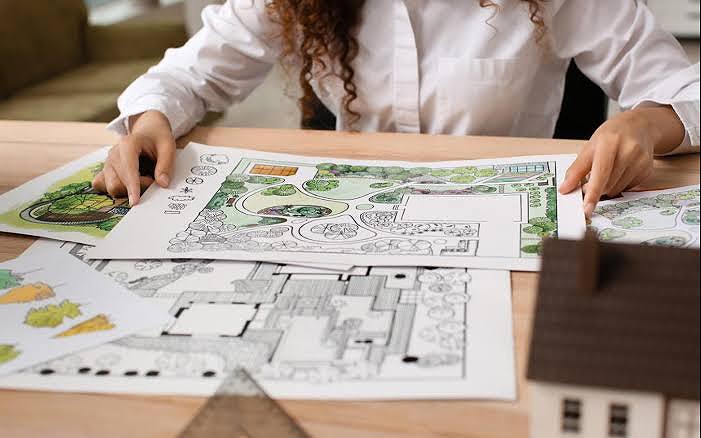
Digital technologies have also transformed the profession. Modern visualization and modeling software allows designers to evaluate spatial proportions, lighting conditions, plant growth, and the interaction between different landscape elements long before construction begins. However, digital tools become valuable only when professionals possess the knowledge to interpret the information correctly and combine it with practical experience. It is this balance between technology and professional expertise that ultimately produces outstanding results.
International experience has become another important source of professional development. Observing global trends in landscape architecture allows specialists to anticipate future industry directions, explore innovative ecological approaches, and adapt successful international practices to local environmental conditions. Such knowledge exchange contributes to projects that satisfy modern expectations while preserving the unique identity of each individual landscape.
Client expectations continue to become more demanding as well. Property owners increasingly seek detailed information about material durability, environmental sustainability, long term maintenance costs, and the future development of their gardens. Only professionals who consistently expand their expertise can provide comprehensive answers while understanding the relationship between design, construction, and the long term performance of every landscape.
Continuous professional development is no longer an additional advantage but an essential requirement for creating exceptional landscapes. At Ecolandscape Studio, we see the highest standard of modern landscape design in the constant pursuit of new knowledge, the refinement of practical skills, and the expansion of professional expertise. This commitment enables the creation of projects that combine architectural precision, natural harmony, and lasting reliability while fully meeting the expectations of contemporary landscape design.