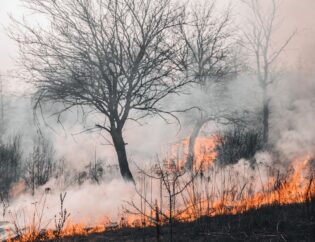
Wildfires have become a growing concern for homeowners across many regions of the United States, and the landscape around your home plays a much bigger role in fire safety than most people realize. The way your yard is designed, what plants you choose, and how you maintain your outdoor space can either slow the spread of fire or accelerate it. Thoughtful residential landscape design is one of the most practical steps a homeowner can take to protect their property before fire season arrives.
The concept of a «home ignition zone» is central to fire-resistant landscaping. This refers to the area within roughly 100 feet of your home, and it is where your yard landscaping design decisions matter most. Experts divide this zone into three areas: the immediate zone (0-5 feet from the structure), the intermediate zone (5-30 feet), and the extended zone (30-100 feet). Each area requires a different approach to planting design and maintenance.
The immediate zone is the most critical. Any combustible materials placed directly against your home’s foundation create a direct path for fire to reach the structure. This includes mulch, dense shrubs, wood piles, and dry plant debris. In this zone, fire-resistant landscaping professionals recommend using non-combustible ground cover, gravel, or stone instead of organic mulch. Keeping this area clear and clean is one of the simplest and most effective backyard landscaping ideas for fire safety.
In the intermediate zone, the goal is to reduce plant density and eliminate what fire experts call «ladder fuels» — low-growing plants and shrubs that allow fire to climb from the ground up into taller trees. Spacing plants properly, removing dead branches, and mowing grass short during dry months all help break the continuity of fuel. Native plant garden design works well here because many native species are naturally adapted to dry conditions and tend to have lower flammable oil content than ornamental exotics.
Drought tolerant garden design and xeriscape garden design principles align closely with fire-resistant landscaping goals. Plants that require less water tend to stay greener longer into dry seasons, which makes them less likely to ignite. Succulents, certain ornamental grasses, and low-growing native groundcovers are practical choices that also reduce irrigation needs. Water-wise landscaping is not just about conservation — it directly supports a safer yard.
Martin Palma, founder and CEO of Ecolandscape Studio, has worked with homeowners in fire-prone areas and consistently finds that the biggest mistakes happen in the immediate zone. In his experience, people focus on the distant parts of their property while leaving wood mulch, dense hedges, and dry debris right against the house. Shifting attention to that first five-foot perimeter, and treating it as a non-combustible buffer, makes a measurable difference in how a structure performs during a fire event.
Lawn alternatives can also play a role in fire-resistant yard design. Traditional turf grass, when dry and unmaintained, becomes highly flammable. Replacing sections of lawn with decomposed granite, flagstone pathways, or low-water groundcovers reduces the amount of combustible material on your property. These choices also support low maintenance garden design, which is a practical benefit beyond fire safety.
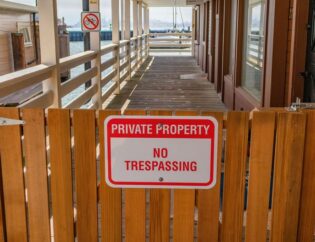
Privacy landscaping is another area where fire-resistant thinking matters. Dense hedges planted close to the home for screening purposes can create a significant fire hazard. Choosing fire-resistant species, spacing plants further from the structure, and using non-combustible fencing materials where possible gives you privacy without adding unnecessary risk.
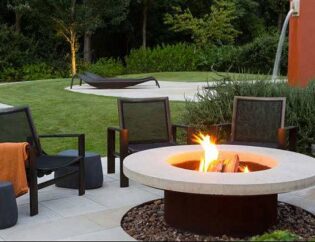
Landscape lighting ideas and garden edging ideas can also contribute to a safer outdoor space. Hardscape elements like stone edging, concrete borders, and gravel pathways naturally act as firebreaks. Incorporating these into your front yard landscaping ideas or patio landscaping ideas adds both aesthetic value and a layer of protection.
Keeping the extended zone maintained is equally important. Removing dead vegetation, trimming tree canopies so they do not touch each other, and clearing dry leaves and debris from gutters and rooflines all reduce the chance of embers finding fuel. Embers carried by wind are responsible for many home ignitions during wildfires, and a well-maintained yard gives them fewer places to land and catch.
Fire-resistant landscaping does not mean sacrificing beauty or comfort in your outdoor living space design. Many fire-adapted plants are visually appealing, support pollinators, and thrive with minimal care. A pollinator garden design built around native, drought-tolerant species can be both ecologically valuable and fire-smart. The key is making deliberate choices about what you plant, where you plant it, and how you maintain it throughout the year.
If you live in a region with elevated wildfire risk, reviewing your current yard landscaping design through a fire-safety lens is a practical and worthwhile step. Small changes in plant placement, ground cover materials, and maintenance habits can significantly reduce your home’s vulnerability — and give you greater peace of mind heading into fire season.