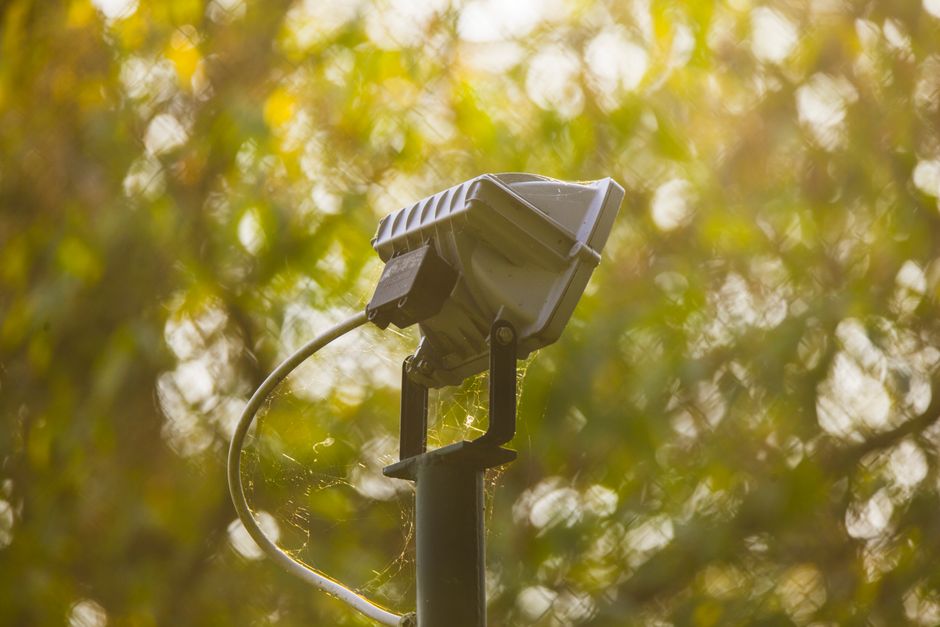
Good garden design does not stop working when the sun goes down. The way you light your outdoor space has a direct impact on how your yard feels in the evening, how safe it is to move around, and how the whole property looks from the street after dark. Spotlights are one of the most practical and flexible tools in residential landscape design, and placing them thoughtfully can completely transform the atmosphere of your backyard or front yard without a major renovation.
The challenge most homeowners face is not finding lights — it is knowing exactly where to put them. Poorly placed spotlights create harsh glare, flatten the visual depth of a garden, or simply miss the features worth highlighting. With a few clear principles, you can avoid those mistakes and get results that genuinely elevate your outdoor living space.
Placing a spotlight at the base of a tree and angling it upward is one of the most effective moves in planting design and garden lighting combined. This technique, called uplighting, draws the eye toward the canopy and creates dramatic shadows that add depth to the whole yard. It works especially well with trees that have interesting bark, branching structure, or seasonal foliage. For front yard landscaping, a well-lit specimen tree near the entrance can anchor the entire design.
Garden walls, fences, and textured surfaces respond beautifully to a technique called grazing, where a spotlight is placed very close to the surface and aimed along it rather than directly at it. This pulls out the texture of stone, brick, or timber and creates a layered, dimensional look that flat overhead lighting simply cannot achieve. If your backyard design includes a feature wall or raised planter, this is worth trying.
Pathways and steps are practical targets for spotlight placement, and they serve both safety and aesthetics. Low-level directional lights positioned along a garden path guide movement through the space and define the edges of the design at night. For small backyard design especially, this kind of lighting makes the space feel larger and more intentional after dark. The key is to angle the light downward and avoid pointing it directly at eye level, which creates glare and defeats the purpose.
Water features, whether a pond, a small fountain, or a rain garden element, become focal points when lit from below or from the side. Underwater spotlights or carefully positioned external fixtures can make moving water shimmer and still water reflect the surrounding planting. This approach works particularly well in modern garden design, where clean lines and reflective surfaces are already part of the visual language.
Finally, spotlighting a planting bed or a specific group of plants — particularly those with bold foliage, interesting form, or seasonal color — adds a layer of drama that most homeowners overlook. Native plant garden design and pollinator garden design both benefit from this, since these plantings often have strong structural qualities that read well under directional light. Choosing plants with silver, burgundy, or textured leaves gives the light something to work with.
Martin Palma, founder and CEO of Ecolandscape Studio, often points out that the most common lighting mistake he sees in residential landscape design is treating spotlights as an afterthought. In his experience, the best results come from planning the lighting layout at the same stage as the planting design and hardscape layout, not after everything else is finished. When light positions are considered early, the fixtures can be hidden more naturally, the wiring runs more cleanly, and the overall effect feels like part of the design rather than something added on top.
Before purchasing fixtures, walk your garden at night and identify which features naturally catch your attention or which areas feel dark and uninviting. That observation will tell you more than any general rule. Pay attention to the color temperature of the bulbs you choose — warmer tones around 2700K tend to feel more natural in garden settings and complement most planting palettes, while cooler tones can feel clinical outdoors.
For low maintenance garden design, solar-powered spotlights have improved significantly and can work well in positions that receive consistent sun during the day. Hardwired low-voltage LED systems remain the more reliable option for key focal points, but a combination of both can keep running costs down.
Spacing matters too. Avoid clustering too many spotlights in one area, which creates an overlit patch that looks artificial. Spread the light sources across the garden to create rhythm and draw the eye through the space. Think of it the way a good planting design works — variety, balance, and a clear sense of movement from one area to the next.
Lighting is one of the most affordable ways to upgrade an outdoor living space without changing the layout or the planting. Done well, it adds security, extends the usable hours of your garden, and makes the whole property look more considered and complete.









