Gardening with purpose has never been more relevant. Whether you’re reworking a backyard landscaping layout, planning a front yard landscaping refresh, or simply trying to keep your outdoor space healthy without spending every weekend maintaining it, sustainable practices offer a smarter path forward. Experts at MSU’s Beal Botanical Garden have shared five practical tips that translate directly into better residential landscape design decisions — and they’re worth building into any yard landscaping plan.
One of the most consistent pieces of advice from botanical professionals is to treat soil as the foundation of every garden design decision. Healthy soil supports stronger root systems, reduces the need for chemical inputs, and helps plants survive dry spells more effectively. Before adding new plants or redesigning a planting design layout, it helps to test your soil and understand what it actually needs.
Compacted or nutrient-poor soil is one of the most common reasons residential garden designs underperform. Adding organic matter — compost, aged mulch, or leaf litter — improves drainage, feeds beneficial microbes, and creates the kind of environment where plants thrive with less intervention. This is especially relevant for low maintenance garden design, where the goal is to set up conditions that work with nature rather than against it.
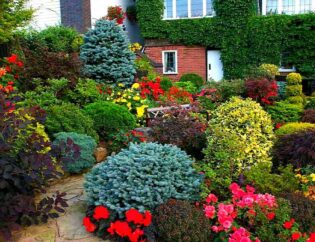
Choosing plants that are well-matched to your local climate and soil type is the next logical step. Native plant garden design is a strong approach here. Native species have evolved alongside local conditions, which means they typically require less water, fewer amendments, and minimal pest management once established. They also support pollinators and local wildlife, making them a natural fit for pollinator garden design and water wise landscaping goals.
Martin Palma, founder and CEO of Ecolandscape Studio, has seen this play out consistently across residential projects. In his experience, homeowners who invest time in understanding their soil before selecting plants end up with landscapes that look better after three years than those built around aesthetics alone. The plants simply perform better when the environment suits them from the start.
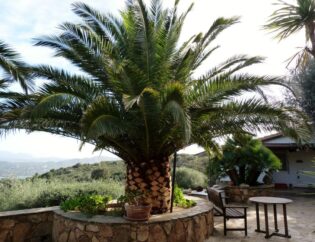
Overwatering is one of the most widespread problems in home garden design. Botanical experts recommend shifting toward drought tolerant garden design principles, even in regions that receive regular rainfall. The reasoning is straightforward: plants that are trained to rely on frequent irrigation develop shallow root systems and become more vulnerable during dry periods.
Xeriscape garden design and rain garden design are two approaches that address water use from different angles. Xeriscaping focuses on selecting low-water plants and reducing turf areas, while rain gardens are designed to capture and absorb stormwater runoff, reducing erosion and filtering pollutants before they reach local waterways. Both strategies can be adapted to small backyard design as well as larger residential properties.
Replacing traditional lawn areas with lawn alternatives — such as ground covers, ornamental grasses, or permeable gravel zones — is another practical move. Turf grass is one of the most water-intensive elements in any yard landscaping design, and reducing its footprint often leads to a more interesting, layered outdoor living space design with far less upkeep.
Mulching around plants is a simple but highly effective technique. A layer of organic mulch slows evaporation, moderates soil temperature, and suppresses weeds. It also breaks down over time and feeds the soil, which connects back to the foundation principle of building healthy growing conditions from the ground up.
Fire resistant landscaping is another consideration that botanical professionals increasingly raise, particularly for properties in drier climates or areas with seasonal fire risk. Choosing plants with high moisture content, avoiding dense accumulations of dry mulch near structures, and creating defensible spacing between plantings all contribute to a safer and more resilient landscape.
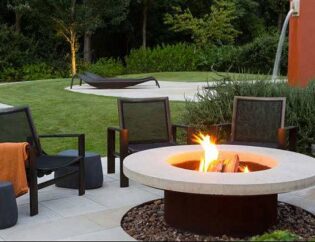
Landscape lighting ideas and garden edging ideas may seem like finishing touches, but they play a real role in how a garden functions and feels. Thoughtful landscape lighting extends the usability of outdoor spaces into the evening, while clean edging defines planting beds and reduces maintenance by keeping grass from creeping into garden areas. Both elements contribute to a polished, cohesive modern garden design without requiring significant ongoing effort.
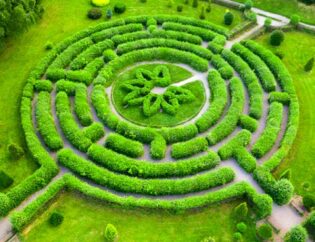
Privacy landscaping is another area where sustainable thinking applies. Dense native hedgerows or layered planting designs using shrubs and ornamental trees can create natural screening that improves with age, supports wildlife, and requires far less maintenance than fencing or formal hedges that need regular trimming.
Bringing these ideas together into a coherent patio landscaping plan or full yard redesign takes some planning, but the payoff is a landscape that genuinely works for the people using it and the environment surrounding it. The experts at MSU’s Beal Botanical Garden make a compelling case that sustainable choices are not a compromise — they produce healthier, more resilient, and often more beautiful results than conventional approaches. Starting with even one or two of these principles can shift the direction of a garden design in a meaningful way.