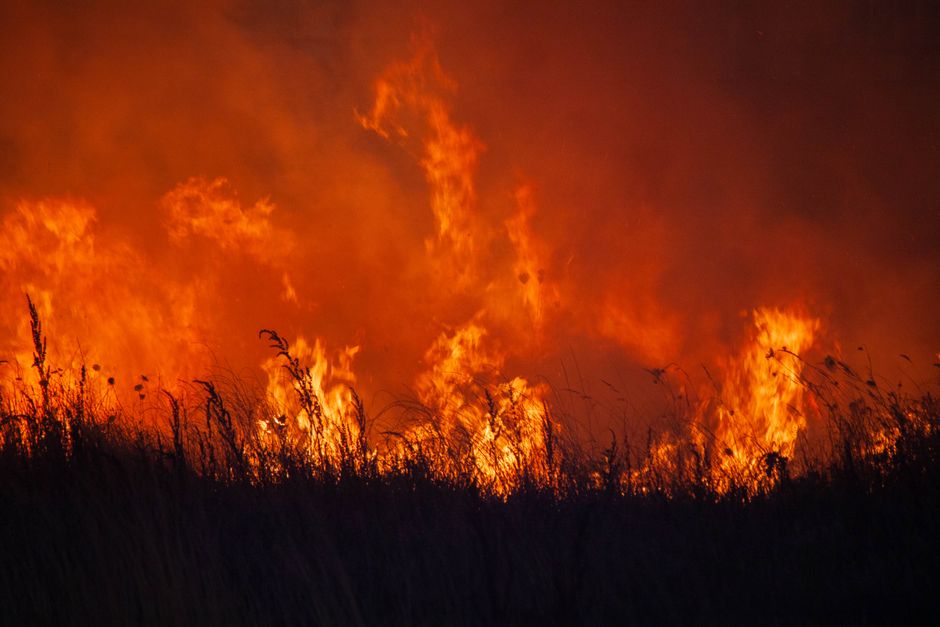
Across large portions of the United States, meteorologists and environmental scientists are raising alarms about a growing pattern of hot, dry weather that is accelerating both flash drought development and wildfire activity. The Texarkana region, sitting at the crossroads of Texas and Arkansas, has become one of many areas where residents and land managers are watching the skies with increasing concern. Rapid shifts in soil moisture, combined with persistent heat, are creating conditions that can turn green landscapes into fire-prone terrain within a matter of days.
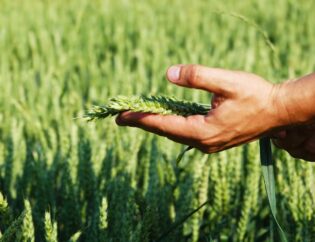
Flash drought is a relatively recent term in the scientific community, but the phenomenon itself is not new. Unlike traditional droughts that develop over months, flash droughts can emerge in a matter of weeks or even days. They are driven by a combination of above-normal temperatures, low humidity, reduced precipitation, and strong winds that pull moisture from the soil at an accelerated rate. When these factors converge, the land dries out faster than plants, animals, and water systems can adapt. Farmers may find their crops wilting before they have time to respond, and pastures that appeared healthy can turn brittle almost overnight.
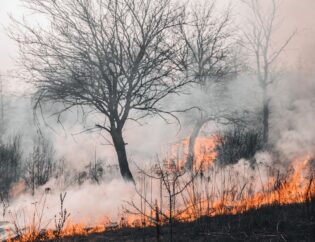
The connection between flash drought and wildfire risk is direct and well-documented. Dry vegetation acts as fuel, and when soil moisture drops to critically low levels, even a small spark — whether from lightning, a discarded cigarette, or agricultural equipment — can ignite a fire that spreads rapidly. Wind, which is often a contributing factor to flash drought conditions, also fans flames and carries embers far ahead of the fire line. This combination makes suppression efforts significantly more difficult and puts communities, wildlife, and ecosystems at serious risk.
Scientists tracking climate patterns have noted that the frequency and intensity of these hot, dry episodes appear to be increasing. Warmer baseline temperatures mean that heat waves push further into extreme territory, and precipitation patterns have become less predictable in many regions. The southern United States, including the Texarkana area, has experienced periods of drought interspersed with heavy rainfall events, a pattern that disrupts the gradual soil recharge that ecosystems depend on. When rain does arrive, it often comes in intense bursts that run off quickly rather than soaking into the ground, leaving the underlying soil still dry.
For homeowners and property managers, understanding the relationship between landscape health and fire risk is essential. Well-maintained landscapes with appropriate plant selection can reduce the likelihood of fire spreading to structures. Native and drought-tolerant plants tend to retain less flammable material when properly managed, and strategic spacing between plants can slow fire movement. Removing dead vegetation, keeping grass trimmed, and maintaining clearance around buildings are practical steps that can make a meaningful difference during high-risk periods.
Water management also plays a critical role. Properties that maintain healthy soil moisture through efficient irrigation practices are less likely to contribute to fire spread. Mulching garden beds helps retain soil moisture and reduces the rate at which the ground dries out during heat events. Rain gardens and permeable surfaces allow precipitation to infiltrate the soil rather than running off, building a small reserve that can buffer against short dry spells.
Community-level awareness is equally important. Local fire departments and emergency management agencies in regions like Texarkana regularly issue burn bans during periods of elevated risk, and residents should take these restrictions seriously. Outdoor burning, including debris piles and campfires, should be avoided entirely when conditions are dry and windy. Reporting smoke or suspicious fire activity quickly gives firefighters the best chance of containing a blaze before it grows.
The agricultural community faces particular challenges during flash drought events. Livestock producers may find water sources drying up faster than expected, and crop yields can suffer significant losses in a short window. Early monitoring of soil moisture data and weather forecasts allows farmers to make faster decisions about irrigation, harvest timing, and livestock management. Extension services in Texas and Arkansas offer resources to help producers navigate these conditions, and connecting with those networks before a crisis develops is a practical approach.
Ecological landscapes that incorporate diverse, resilient plant communities are better positioned to withstand and recover from drought stress. Monocultures and heavily manicured lawns tend to be more vulnerable, requiring more water and offering less structural complexity to slow fire movement. Transitioning portions of a property toward native plantings and naturalistic design not only reduces maintenance demands but also builds long-term resilience against the kinds of extreme weather events that are becoming more common across the region.
The pattern of hot, dry conditions driving flash drought and wildfire risk is not a distant or abstract concern for communities in the Texarkana area and across the broader South. It is a present reality that requires thoughtful preparation at every level — from individual homeowners making landscaping decisions to regional planners developing emergency response strategies. Staying informed, maintaining landscapes responsibly, and supporting community preparedness efforts are the most effective tools available for managing the risks that come with a changing climate.