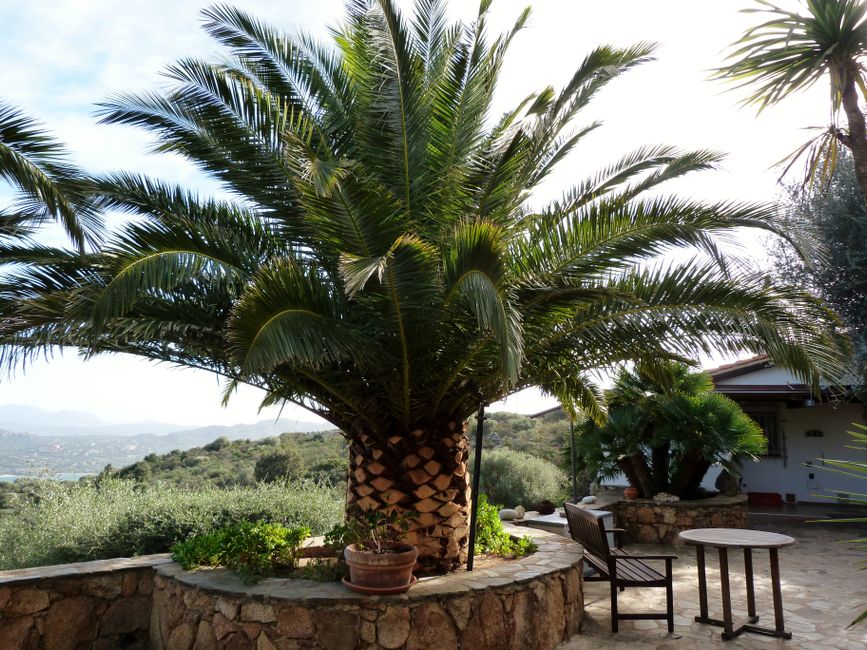
Most people think of a patio as a flat, open surface dedicated entirely to furniture and foot traffic. But landscape designers have long worked with a different idea — one that breaks up that uniformity by introducing planted zones directly within the hardscape. These are called patio islands, and they represent one of the more quietly effective techniques in outdoor design.
A patio island is essentially a defined planting bed that sits within or alongside a paved area, rather than being pushed to the perimeter. It can be a raised bed framed by stone, a recessed pocket cut into pavers, or a softly edged mound of soil that interrupts an otherwise continuous surface. The result is a space that feels less like a parking lot and more like a living environment.
What Makes Patio Islands Different from Border Planting
The distinction between a patio island and a standard garden border comes down to placement and intention. Border planting lines the edges of a space and creates a frame. Patio islands, by contrast, are positioned within the space itself — pulling greenery into the center of activity rather than keeping it at a polite distance.
This placement changes how people experience the garden. When plants grow among the seating area rather than around it, the boundary between built and natural elements dissolves. A dining table surrounded by low ornamental grasses or a seating nook flanked by a small island of lavender and salvia creates a sense of enclosure and intimacy that perimeter planting rarely achieves.
Layering as a Design Principle
One reason designers favor patio islands is the opportunity they create for layered planting. Layering refers to arranging plants at different heights and densities to create visual depth — tall structural plants at the back or center, mid-height flowering perennials in the middle, and low ground covers or creeping plants at the edges.
In a traditional border, layering works on a flat plane viewed from one direction. In a patio island, layering works in three dimensions and from multiple angles. A small island might include:
- A single architectural plant like a compact ornamental tree or tall grass as a focal point
- Mid-level flowering perennials such as echinacea, agastache, or salvia
- Low edging plants like thyme, sedum, or creeping jenny that spill softly over the paving
This arrangement creates movement and texture throughout the season, with different plants taking prominence as the year progresses.
Practical Considerations for Installation
Creating a patio island requires some planning before the hardscape is laid, though it is also possible to retrofit one into an existing patio. The key considerations are drainage, soil depth, and scale.
Drainage is critical. Planting pockets within paving need to allow water to move away from roots, particularly in areas with heavy rainfall or clay-heavy soil. Raised island beds solve this problem naturally, while recessed pockets may require a gravel base or drainage channels cut beneath the paving.
Soil depth depends on what you intend to plant. Shallow-rooted ground covers and annuals can manage with 20 to 30 centimeters of good soil. Perennials and shrubs generally need at least 40 to 50 centimeters. Trees or large structural plants require significantly more depth and should ideally connect to the native soil below.
Scale matters more than most people expect. An island that is too small looks like an afterthought — a single pot without the pot. A well-proportioned island typically occupies between 10 and 20 percent of the total patio surface, though this varies depending on the overall design.
Plant Selection for Patio Islands
Because patio islands sit within a high-traffic, often sun-exposed environment, plant selection should prioritize resilience and low maintenance. Drought-tolerant species perform well in these conditions, particularly in urban settings where reflected heat from paving can raise temperatures significantly.
Mediterranean herbs like rosemary, thyme, and oregano are practical choices that also contribute fragrance. Ornamental grasses such as Stipa tenuissima or Festuca glauca add movement without requiring much water. Pollinator-friendly perennials like Salvia nemorosa, Echinacea purpurea, and Nepeta bring seasonal color and support local biodiversity.
For shadier patios, options shift toward ferns, hostas, Astrantia, and low-growing woodland plants that tolerate dappled light and cooler, moister conditions.
Why This Trend Deserves More Attention
Patio islands do something that most garden features struggle to achieve — they make a hard surface feel genuinely inhabited by nature rather than simply adjacent to it. They soften the visual weight of large paved areas, reduce surface runoff by absorbing rainfall, and create microhabitats for insects and small wildlife.
For anyone working with a patio that feels too stark or too uniform, introducing even a single planted island can shift the entire character of the space. It is a relatively modest intervention with a disproportionate effect on how the garden looks, feels, and functions across the seasons.