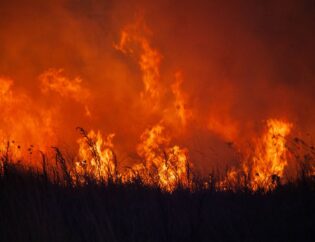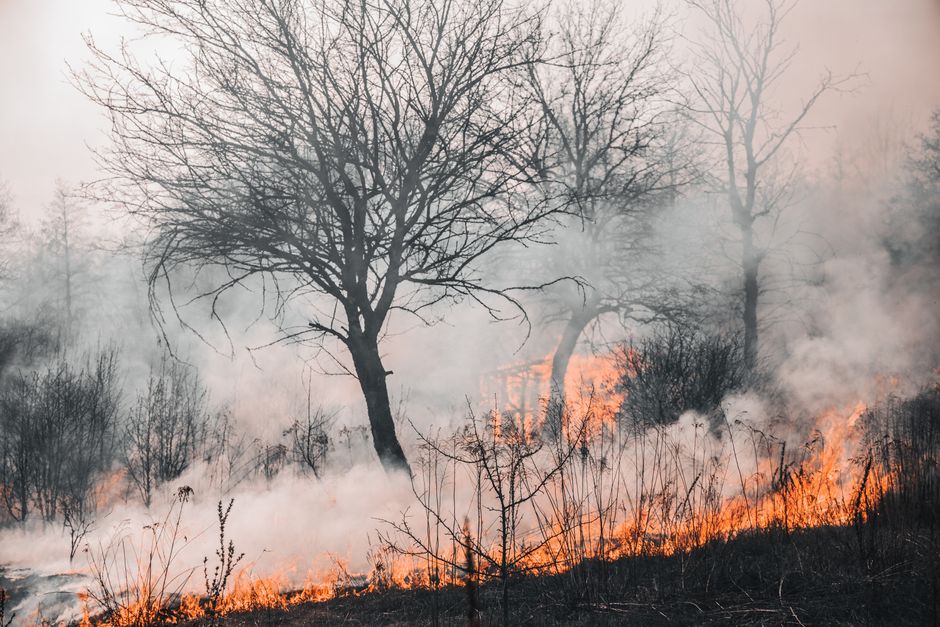
Wildfires have become an increasingly serious concern for homeowners across many regions, particularly in areas prone to dry, hot conditions. Preparing your lawn and landscape to resist fire is not just a precaution — it is a practical step that can make a real difference when conditions become dangerous. A well-planned, fire-resistant yard creates a buffer zone that slows or stops the spread of flames toward your home.
The concept of a defensible space is central to wildfire preparedness. This refers to the area around your home that has been modified to reduce fire risk. Landscaping choices, plant placement, and maintenance habits all contribute to how effectively this space performs under threat. The goal is not to eliminate all vegetation but to manage it in a way that limits the fuel available to a fire.
Choosing the Right Plants
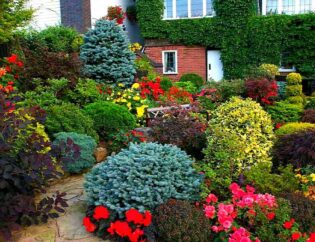
Plant selection plays a major role in how your lawn behaves during a wildfire. Some plants contain high levels of oils, resins, or waxes that make them highly flammable, while others retain moisture and resist ignition more effectively. Opting for fire-resistant species does not mean your yard has to look bare or unattractive — many beautiful plants naturally resist burning.
- Succulents and groundcovers with high moisture content are excellent choices
- Native grasses that stay green longer into dry seasons offer better resistance
- Deciduous trees and shrubs tend to be less flammable than evergreens
Plants with smooth, non-resinous bark are generally safer near structures
Avoid planting highly flammable species like juniper, rosemary, or ornamental grasses close to your home. These can act as a direct path for fire to travel toward your structure.
Spacing and Placement Matter
Even fire-resistant plants can become a hazard if they are planted too close together or too near your home. Fire moves through vegetation by jumping from plant to plant, so creating gaps between plants and clusters reduces this risk significantly.
- Keep plants at least 30 feet from your home in a sparse, well-spaced arrangement
- Avoid planting trees directly beneath power lines or roof overhangs
- Trim lower branches of trees to prevent ground fires from climbing upward
Create horizontal and vertical separation between plants to interrupt fire pathways
This layered approach to spacing is sometimes called zone planning, and it divides your property into areas with progressively more careful management as you get closer to the structure itself.
Lawn Maintenance as a Fire Defense Tool
Regular maintenance is just as important as initial plant selection. A lawn that is well-watered, mowed, and cleared of dead material is far less likely to ignite or spread fire than one that has been neglected.
- Mow grass regularly and keep it short, especially during dry months
- Remove dead leaves, branches, and other debris from your yard frequently
- Water your lawn and plants consistently to maintain moisture levels
Clear gutters and roof surfaces of accumulated plant material
Dry, dead vegetation is one of the most significant contributors to fire spread. Even a small amount of accumulated debris near your home can provide the fuel needed for a fire to reach your structure.
Hardscaping as a Firebreak
Incorporating non-combustible materials into your landscape design is another effective strategy. Patios, gravel paths, stone walls, and concrete borders do not burn and can act as natural firebreaks that interrupt the movement of flames.
- Use gravel or decomposed granite as ground cover near the home’s foundation
- Install stone or brick pathways that separate planting zones
- Consider a rock garden or dry riverbed design in high-risk areas
Replace wood mulch with inorganic alternatives like crushed stone or lava rock
These hardscape elements serve a dual purpose — they enhance the visual appeal of your yard while also providing a practical layer of fire resistance.
Irrigation and Water Access
A functioning irrigation system can be one of your most valuable tools in a fire-prone landscape. Keeping soil and plants consistently moist reduces their ability to catch and hold fire. If you live in a region with water restrictions, focus irrigation efforts on the zones closest to your home.
- Install drip irrigation to deliver water directly to plant roots efficiently
- Keep hoses accessible and long enough to reach all areas of your yard
- Consider installing an outdoor water spigot on multiple sides of your home
Check and maintain your irrigation system regularly to ensure full coverage
Building a Resilient Landscape
Creating a wildfire-ready lawn is an ongoing process rather than a one-time project. Seasonal changes, plant growth, and shifting weather patterns all require you to revisit and adjust your approach throughout the year. Working with a landscape professional who understands fire-resistant design can help you develop a plan that is both effective and visually appealing.
A thoughtfully designed landscape does more than protect your property — it contributes to the broader safety of your neighborhood. When multiple homeowners take steps to reduce fire risk, the cumulative effect creates a more resilient community. Starting with your own yard is the most direct and meaningful action you can take.