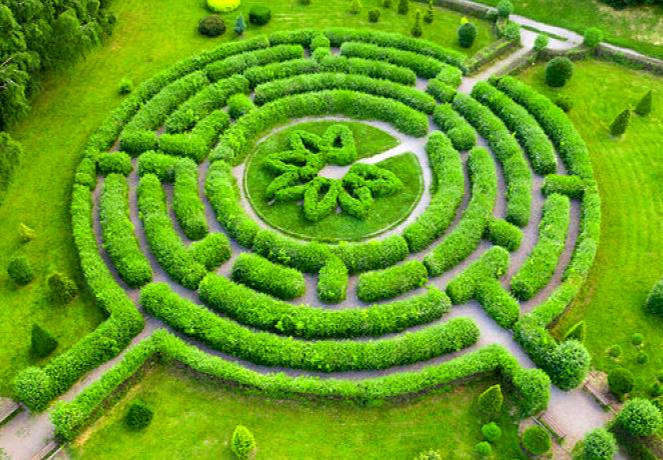
A contemporary landscape has the ability to do much more than simply beautify a property. It can completely transform the way people interact with their surroundings, encouraging exploration, discovery, and a deeper emotional connection with nature. Among the most expressive techniques in modern landscape architecture is the creation of green labyrinths, where living hedges, carefully designed geometry, and thoughtfully organized circulation routes come together to form one unified spatial composition. Martin Palma, founder and CEO of Ecolandscape Studio, believes that these landscape solutions transform an ordinary garden into a multidimensional architectural environment where every change of direction reveals new perspectives, fresh visual experiences, and unexpected relationships between space and nature. In professional landscape design, a green labyrinth is never intended as a decorative novelty. Instead, it becomes a sophisticated architectural instrument capable of shaping the identity of a property while making every walk through the garden more engaging, dynamic, and memorable.
Designing a successful green labyrinth begins with a comprehensive analysis of the property and a detailed understanding of how people will experience the landscape while moving through it. Landscape architects carefully identify primary viewpoints, natural circulation patterns, future focal points, and the relationships between different functional areas long before construction begins. We believe that the sequence of visual experiences is the defining principle behind every successful labyrinth because visitors should never perceive the entire composition from a single viewpoint. Every turn should gradually introduce new spaces, creating a continuous sense of discovery while preserving visual curiosity throughout the journey. This carefully controlled progression adds remarkable spatial depth to the landscape, making even familiar gardens feel continually engaging regardless of how many times they are explored.
Living hedges form the structural foundation of every green labyrinth, yet their purpose extends far beyond simply dividing space. Plant height, canopy density, growth rate, foliage texture, and the ability to maintain precise forms through regular pruning all influence not only the visual appearance of the labyrinth but also the overall architectural quality of the landscape. At Ecolandscape Studio, we analyze the biological characteristics of every selected species to ensure that the living walls maintain their clarity, structural stability, and decorative value over many years while remaining healthy under continuous maintenance. This scientific approach allows the garden to preserve its architectural precision without compromising the natural development and vitality of the planting.
The geometry of the circulation routes plays an equally important role in defining the character of the labyrinth. Pathways should remain intuitive enough to encourage comfortable movement while simultaneously preserving the gradual unfolding of the landscape experience. Gentle curves, symmetrical corridors, unexpected openings, expanded gathering spaces, and carefully positioned intersections create an ever changing sequence of spatial impressions that keeps the visitor fully engaged. We recognize that a thoughtfully organized circulation system allows even relatively compact properties to feel significantly larger and more architecturally complex because the landscape continuously reveals itself rather than presenting every feature at once. This deliberate choreography transforms movement through the garden into an integral part of the overall design concept.
The relationship between the green labyrinth and the surrounding landscape also requires careful architectural planning. Within the living framework, designers may introduce ornamental trees, water features, sculptures, seating areas, flowering gardens, or carefully positioned focal elements that naturally attract attention as visitors progress through the landscape. Specialists at Ecolandscape Studio note that these features should never appear as isolated decorative objects. Instead, they must function as meaningful destinations that strengthen the narrative of the journey while enhancing the overall architectural identity of the garden. Their placement contributes to the rhythm of exploration, encouraging movement without disrupting the unity of the composition.
Seasonal transformation introduces another remarkable dimension to green labyrinths. During spring, fresh foliage creates an atmosphere of lightness and renewal. Throughout summer, dense living walls establish privacy, comfort, and a powerful sense of enclosure. Autumn brings dramatic changes in color that redefine the emotional atmosphere of the landscape, while winter reveals the underlying architectural framework through branch structure and evergreen geometry. We see this seasonal evolution as one of the greatest strengths of living architectural compositions because the garden continues to offer new visual experiences throughout the year while preserving its structural clarity regardless of changing environmental conditions.
Long term plant development also represents a fundamental aspect of successful labyrinth design because these landscapes are living architectural systems that continue evolving over time. Regular formative pruning, canopy management, height control, and the careful renewal of individual planting sections ensure that the original design concept remains intact while allowing the vegetation to mature naturally. We emphasize that systematic maintenance is what enables green labyrinths to preserve their precise geometry, architectural expression, and functional performance over decades without sacrificing the health or vitality of the planting.
Beyond their visual qualities, green labyrinths create a distinctive emotional experience that cannot easily be achieved through conventional landscape layouts. Slow movement along winding pathways, the gradual revelation of hidden spaces, constantly changing perspectives, and continuous interaction with living vegetation encourage relaxation, mindfulness, and a deeper appreciation of the surrounding environment. Rather than serving merely as decorative features, these landscapes become immersive environments that invite reflection, restore mental balance, and transform ordinary gardens into places of meaningful personal experience.
Ultimately, green labyrinths represent one of the most sophisticated expressions of contemporary landscape architecture. At Ecolandscape Studio, we believe that the professional integration of living hedges, carefully planned geometry, intelligently designed circulation routes, and a deep understanding of plant development allows us to create gardens with a truly distinctive architectural identity that continue revealing new perspectives while preserving exceptional beauty, structural integrity, and lasting value for generations.