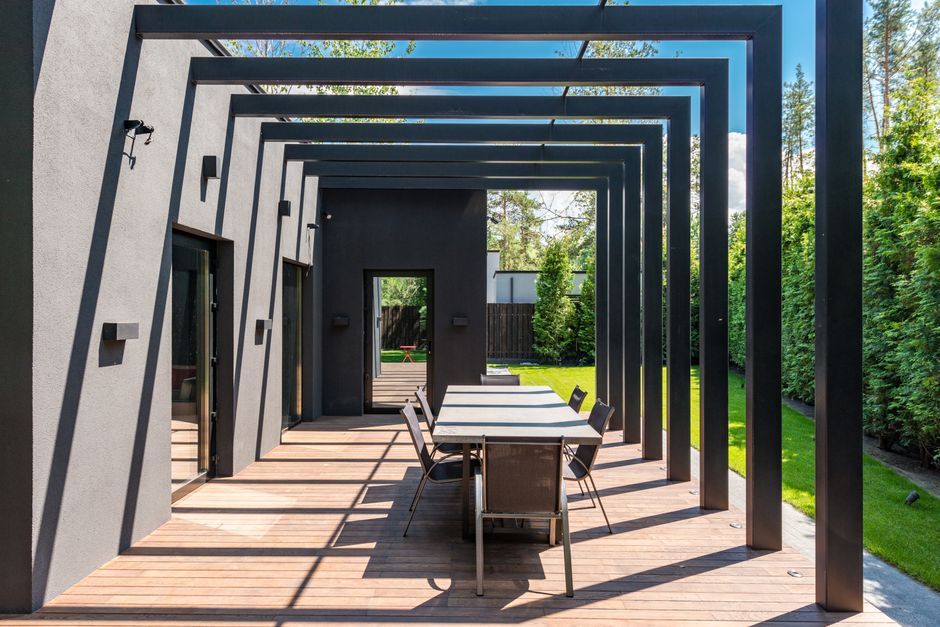
Your backyard is one of the most personal spaces on your property. It is where you relax after a long day, where kids play, where guests gather, and where a well-placed plant or a thoughtfully designed patio can completely change how your home feels. If your yard has been sitting underused or looking a little tired, the right backyard landscaping ideas can bring it back to life without requiring a full renovation.
At Ecolandscape Studio, we work with homeowners who want their outdoor spaces to feel intentional, comfortable, and genuinely enjoyable. The ideas below are practical, proven, and adaptable to different yard sizes and budgets.
Before choosing plants, materials, or lighting, think about how you want to use the space. A family with young children needs something different from a couple who wants a quiet garden retreat. A homeowner in a dry climate will benefit from drought tolerant garden design, while someone in a rainy region might explore rain garden design to manage water runoff naturally.
Once you have a clear picture of your needs, the design decisions become much easier. Outdoor living space design works best when it starts with function, not aesthetics. The look follows naturally when the layout makes sense for real life.
One of the most popular directions right now is creating defined zones within the backyard. A seating area near the house, a planting bed along the fence, a small lawn or lawn alternative in the center, and a garden path connecting everything together. This kind of structure gives even a small backyard design a sense of purpose and flow.
Patio landscaping ideas have also evolved significantly. Homeowners are moving away from plain concrete slabs and choosing materials like natural stone, permeable pavers, or decomposed granite that blend better with the surrounding planting design. Adding container plants, raised beds, or a simple water feature near the patio makes the transition between hardscape and garden feel smooth and natural.
Martin Palma, founder and CEO of Ecolandscape Studio, often points out that the biggest mistake homeowners make is treating the patio and the garden as two separate projects. In his experience, the spaces that feel most cohesive are the ones where the planting design wraps around the hardscape, softening the edges and creating a sense that the garden and the living area belong together.
Low maintenance garden design has become one of the most requested approaches in residential landscape design. People want beautiful yards without spending every weekend maintaining them. Native plant garden design is one of the most effective ways to achieve this. Plants that are native to your region are adapted to local rainfall, soil, and temperature, which means they need far less water and care once established.
Pollinator garden design is another direction that combines beauty with purpose. Planting a mix of flowering natives, ornamental grasses, and shrubs that support bees, butterflies, and birds creates a yard that feels alive and connected to the local ecosystem. These gardens tend to look naturalistic rather than formal, which suits modern garden design trends very well.
For homeowners in fire-prone areas, fire resistant landscaping is a practical priority. This means choosing plants with high moisture content, keeping vegetation away from the house, and using gravel or stone mulch in the zones closest to the structure. Water wise landscaping and xeriscape garden design follow similar principles, reducing irrigation needs while keeping the yard attractive through the dry season.
Garden edging ideas play a surprisingly important role in how a yard looks overall. Clean, defined edges between lawn areas and planting beds make the whole space feel more polished. Materials like steel edging, natural stone, or brick give a finished look that holds up over time.
Landscape lighting ideas are often left until the end of a project, but they deserve more attention. Good lighting extends the usability of your outdoor space into the evening, highlights key plants or features, and adds a layer of safety along paths and steps. Low voltage LED systems are energy efficient and easy to install, and they make a significant difference in how the yard feels after dark.
Privacy landscaping is another practical consideration, especially in neighborhoods where yards sit close together. A mix of tall grasses, evergreen shrubs, and small trees can create a natural screen that feels much more welcoming than a solid fence. This approach also adds texture and seasonal interest to the yard.
If you are working with a smaller space, do not let that limit your thinking. A well-designed small backyard can feel generous and comfortable with the right layout, plant selection, and materials. Vertical elements like trellises, climbing plants, or layered planting beds add depth without taking up floor space.
The best backyard transformations are rarely about spending the most money. They come from understanding the space, choosing plants and materials that suit the climate and the lifestyle, and making decisions that hold up over time. Whether you are starting from scratch or refreshing an existing yard, thoughtful residential landscape design makes every square foot count.









