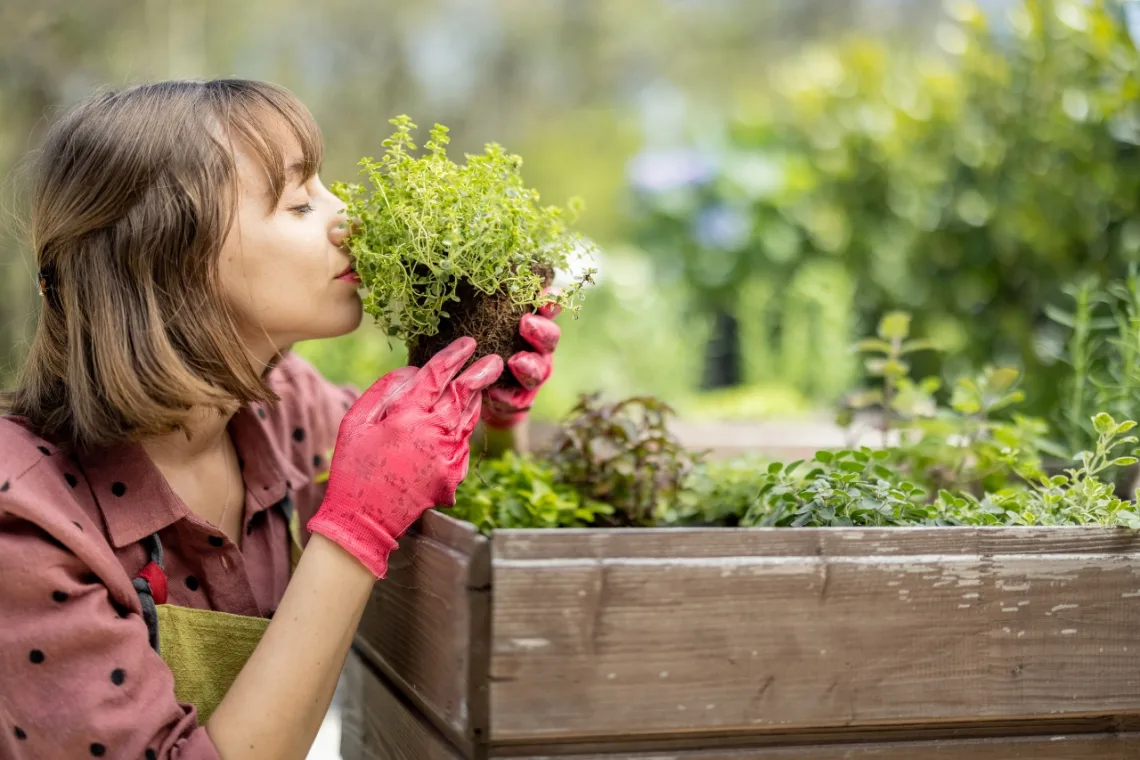
Today, more and more people are choosing organic gardening as a way to create a harmonious and safe ecosystem in their gardens. The use of chemical fertilizers and pesticides not only harms the environment but can also impact the health of plants, animals, and humans. At Ecolandscape Studio, we believe that moving away from chemicals is a crucial step toward creating a sustainable and healthy garden. In this article, we will discuss how to transition to organic plant care and ensure your garden thrives for years to come.
Martin Palma, the founder and CEO of Ecolandscape Studio, says: «Switching to organic care is not an immediate decision but a process that requires attention and a systematic approach. We see that these gardens are not only more beautiful but also much easier to maintain, making them more harmonious and ecologically safe.»
Reasons to Avoid Chemicals in the Garden
Chemicals used in traditional gardening can disrupt natural processes in the soil and disturb the balance of the ecosystem. Pesticides, herbicides, and fertilizers often lead to soil degradation, reduced biodiversity, and water contamination. The only way to positively influence plants and soil with minimal environmental impact is by using organic care methods.
Steps to Transition to Organic Gardening
The transition to organic plant care is a step-by-step process that includes several key actions. These steps don’t require significant financial investment but do need patience and consistency.
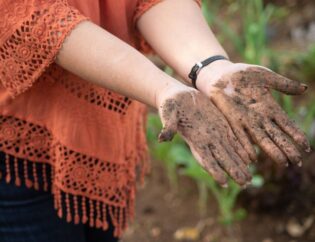
A key component of organic gardening is restoring and maintaining soil health. It’s essential to use natural materials such as compost and manure. Compost enriches the soil with microorganisms, improves its structure, and helps retain moisture. Mulching helps maintain soil temperature, prevents weed growth, and keeps moisture levels steady.
At Ecolandscape Studio, we always take the time to prepare the soil before planting by adding natural fertilizers that restore its fertility. This process requires time, but the results are worth it.
Native plants are perfectly adapted to the region’s climate and soil conditions, unlike imported species, which may require additional chemical treatments and artificial care. Plants that grow in natural conditions are less susceptible to diseases and pests, making them ideal for an organic garden.
Martin Palma: «We always advise our clients to use native plants because they adapt best to the surrounding environment. This not only reduces dependence on chemical treatments but also helps the garden become more resilient and long-lasting.»
To avoid the use of chemicals to combat pests, it’s necessary to implement mechanical methods such as regular soil aeration, hand-weeding, or using garden tools. These methods prevent the spread of pests and help maintain a healthy balance in the garden ecosystem.
Additionally, there are many natural ways to protect plants. For instance, you can use plants that repel pests or attract beneficial insects such as ladybugs, which help control aphid populations.
Organic fertilizers contain no chemicals and help improve soil structure by increasing its ability to retain water and nutrients. Natural fertilizers include compost, manure, green manures, and ash.
We recommend to our clients the use of organic additives that perfectly suit the needs of the plants and soil. These methods not only increase yield but also provide long-term benefits for the garden’s ecosystem.
Sometimes pest control comes down to natural methods. Attracting predator insects such as spiders or wasps can significantly reduce the need for chemical pesticides. These insects help maintain biodiversity in the garden and contribute to its natural healing process.
Transitioning with Practical Steps
You can start transitioning to organic gardening gradually. By slowly eliminating chemicals, you’ll create a favorable environment for plant growth while supporting soil health and the surrounding nature. Using organic fertilizers and natural pest control methods will ensure less labor-intensive care and long-term results.
Organic plant care is not just an investment in the ecological state of your garden, but also a way to create a healthy living environment. Transitioning to organic gardening takes time and patience, but with the right approach, the results will be evident. Ecolandscape Studio always adheres to sustainability principles, creating ecosystems that are not only beautiful but also in harmony with nature.
If you want to learn more about how to transition to organic plant care or are looking for a team of professionals ready to bring your ideas to life, we are happy to offer our knowledge and expertise in landscape design.