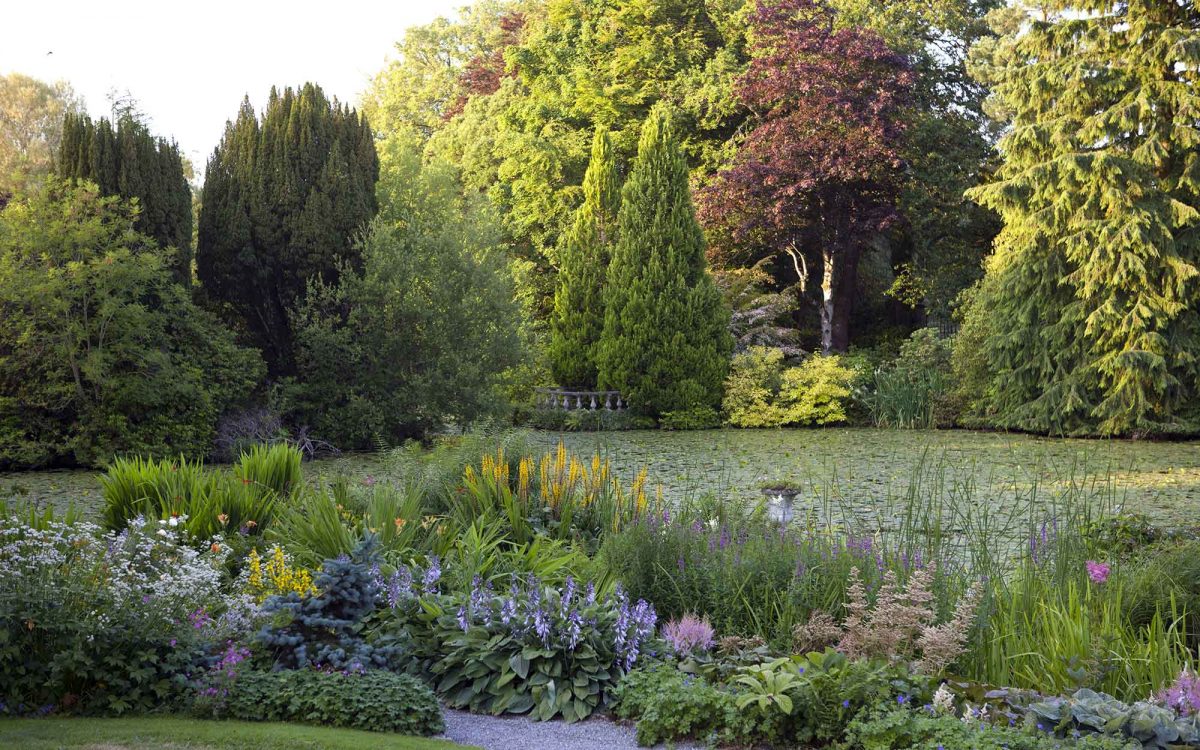
In recent years, cities have been facing the growing impacts of climate change. Extreme weather events such as droughts, floods, heavy rains, and rising temperatures are becoming more frequent. In response to these challenges, landscape architecture is developing the concept of climate hubs multifunctional spaces that not only provide a place for urban residents to relax but also contribute to ecosystem restoration and the adaptation of urban environments to climate change.
At Ecolandscape Studio, we believe that the creation of such spaces is essential for the future. In this article, we will share our perspectives on how climate hubs can become an important part of landscape architecture, and we will provide examples of successful projects that we are proud of.
What is a Climate Hub?
A climate hub is a space that combines natural elements and innovative ecological technologies to create a harmonious ecosystem. These hubs serve both as places for recreation and for restoring biodiversity, improving air quality, managing water resources efficiently, and supporting sustainable ecosystems in the face of urbanization.
At Ecolandscape Studio, we approach the development of such spaces with the aim of solving both ecological and social problems. We believe that climate hubs should be multifunctional, integrating both natural and technological solutions, which allow for effective resource use and adaptation to changing conditions.
The Role of Climate Hubs in Adapting to Climate Change
Each year, climate changes become more tangible in large cities. High temperatures, air pollution, flooding, and droughts all of these issues require immediate solutions. Climate hubs play a key role in adapting urban ecosystems to these challenges.
Water Resource Management and Flood Prevention: Due to climate changes, many cities are facing frequent flooding, especially during heavy rains. The climate hubs we design incorporate systems for rainwater collection and the creation of bio-ponds. These technologies help control water flow and serve as natural filters for purifying water, preventing pollution in rivers and lakes.
Carbon Dioxide Absorption and Air Quality Improvement: Green plantings in climate hubs help improve air quality by absorbing carbon dioxide and releasing oxygen. At Ecolandscape Studio, we choose plants that not only reduce pollution but also help lower city temperatures by evaporating water and providing natural cooling.
Supporting Biodiversity and Ecosystem Restoration: Urbanization often harms local ecosystems, causing the disappearance of habitats for animals and plants. Climate hubs act as important links in restoring these ecosystems. We develop projects that include ecological corridors for animal migration, creating sustainable natural connections between the city’s green spaces.
Use of Sustainable Technologies: Climate hubs are not only environmentally friendly but also integrate sustainable technologies such as solar panels, waste recycling systems, and smart climate monitoring systems. At Ecolandscape Studio, we always strive to ensure that our projects not only restore ecosystems but also operate at maximum efficiency with minimal carbon footprints.
Technological Innovations in Climate Hubs
For climate hubs to effectively fulfill their functions, they must include innovative solutions. At Ecolandscape Studio, we actively apply cutting-edge technologies for monitoring and managing climate and ecosystems.
Climate Monitoring Systems: Our projects incorporate sensors that track parameters such as humidity, temperature, air pollution, and soil quality. These data help us make real-time decisions to regulate ecosystem processes within the hub, making the space more resilient to climate change.
Digital Landscape Design Technologies: We actively use modeling and virtual reality to visualize future changes in ecosystems. This allows us to predict how climate changes may affect the ecosystem and adapt the project in a timely manner. This approach ensures flexibility and durability in our solutions.
Examples of Successful Climate Hubs
Around the world, successful climate hub projects are already being implemented, serving as examples of how to create sustainable and environmentally friendly cities.
Singapore is one of the leaders in sustainable urban design. Here, projects like rooftop greening and the construction of vertical gardens are helping to reduce temperatures and prevent flooding. The «Gardens by the Bay» project has become a symbol of how the integration of natural elements and technologies can lead to the creation of unique ecological spaces.
New York is also actively developing the «green roof» project, transforming rooftops into multifunctional public spaces for recreation and even food production. These projects help combat urban overheating and improve air quality, as well as provide spaces for social and cultural activities.
Barcelona is developing «green corridors» connecting various natural zones and parks. These corridors not only contribute to biodiversity preservation but also protect the city from flooding, serve as migration routes for animals, and strengthen natural links between green spaces.
As Martin Palma, founder and CEO of Ecolandscape Studio, states: «Climate hubs are not just beautiful parks. They are spaces that play a crucial role in adapting cities to climate change, restoring ecosystems, and improving the quality of life for urban residents. In our practice, we always strive to ensure that every project is environmentally sustainable, integrating innovative technologies and natural solutions.»
In the context of global climate change, cities need sustainable and effective solutions to adapt ecosystems to new conditions. Climate hubs are becoming an important tool for improving quality of life and restoring the natural balance in urban areas. At Ecolandscape Studio, we are confident that the future of landscape architecture lies in the integration of natural and technological solutions, and we are proud to be involved in the creation of such spaces that contribute to the sustainable development of cities.









