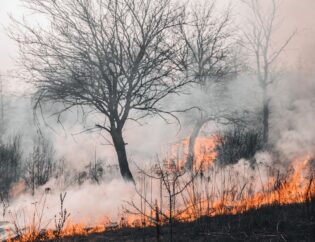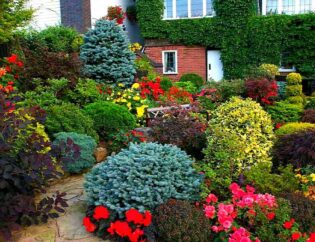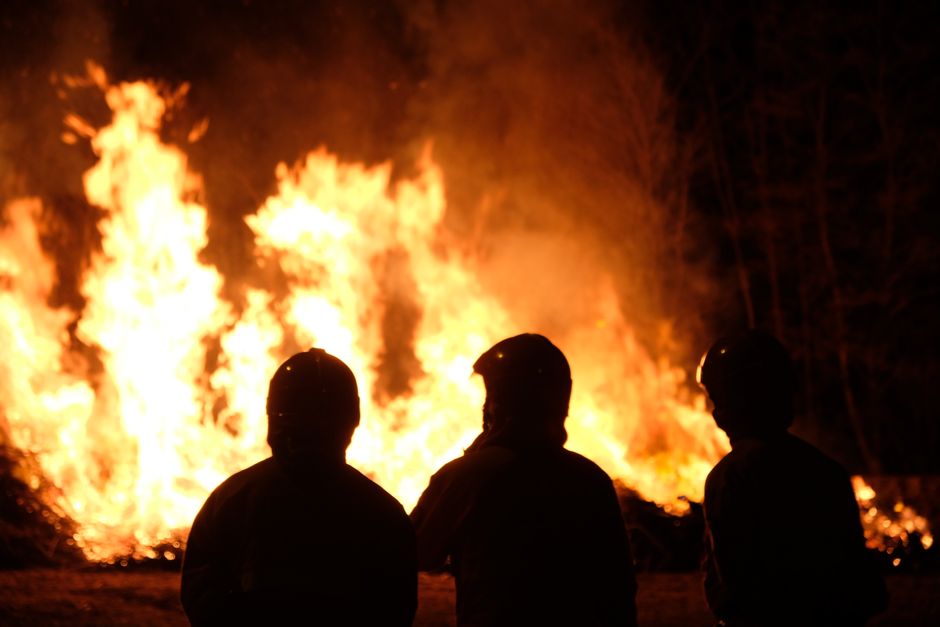
Wildfires don’t just threaten forests and open land. They move fast, and residential properties are often in their path. The good news is that thoughtful yard landscaping design can significantly reduce the risk to your home. The way you plan your garden, choose your plants, and manage your outdoor space matters more than most homeowners realize when it comes to fire safety.
This is not about turning your yard into a gravel wasteland. Fire-resistant landscaping can still be beautiful, functional, and full of life. It simply requires making smarter choices about what you plant, where you plant it, and how you maintain it.
The area immediately surrounding your house, typically within the first five feet from the foundation, is the most critical zone in any fire-ready residential landscape design. This space should be kept as clear and non-combustible as possible. That means avoiding wood mulch, dense shrubs, or anything that can easily catch and hold a flame.
Gravel, stone, or concrete pavers work well here as lawn alternatives that also look clean and intentional. If you want some greenery close to the structure, choose low-growing, moisture-retaining plants with high water content in their leaves. Succulents and certain groundcovers can work well in this zone, especially in drought tolerant garden design where water-wise landscaping is already a priority.
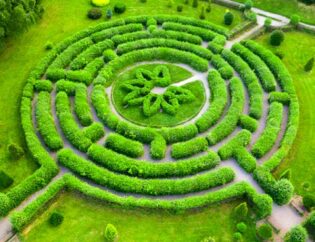
From five to thirty feet out, the goal shifts to creating what fire safety professionals call «defensible space.» Plants in this zone should be spaced out so fire cannot easily travel from one to the next. Avoid planting in continuous rows or dense clusters. Keeping the lawn mowed short and removing dead plant material regularly is part of maintaining this zone effectively.
Beyond thirty feet, you can have more natural planting, but the same principle applies: reduce the density of combustible material and keep things well-maintained. Native plant garden design is a strong choice here because native species are often better adapted to local fire conditions and require less supplemental water.
Choosing the right plants is one of the most practical steps in fire resistant landscaping. Plants with high moisture content, low resin levels, and open branching structures are generally safer choices. Many drought tolerant plants that are used in xeriscape garden design also happen to be fire resistant because they store water in their tissues.
Avoid plants that are known to be highly flammable. Ornamental grasses, junipers, and plants with dry, papery bark or resinous foliage can carry fire quickly. This does not mean you can never use them, but their placement matters. Keeping them away from structures and maintaining them carefully reduces the risk considerably.
Martin Palma, founder and CEO of Ecolandscape Studio, has worked with homeowners in fire-prone regions and consistently finds that the biggest mistakes happen not in plant selection but in maintenance. In his experience, a well-chosen plant that is left to dry out and accumulate dead material becomes just as dangerous as a poor plant choice. Regular pruning, clearing debris, and keeping plants properly irrigated through the growing season are what actually make a fire-resistant yard function the way it should.
Pollinator garden design and native plant garden design can both be adapted to fire-resistant principles. Many native flowering plants are naturally low in flammable oils and provide habitat for beneficial insects while keeping your yard safer. Rain garden design can also help by directing water toward planted areas and keeping soil moisture levels higher during dry periods.
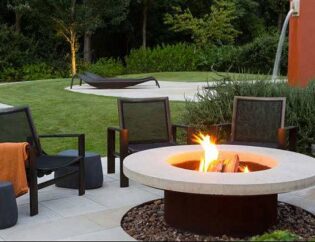
Hardscaping plays a supporting role too. Stone pathways, gravel beds, and patio landscaping ideas that incorporate non-combustible materials create natural breaks in the landscape that slow fire movement. Landscape lighting ideas that use low-voltage fixtures mounted on stone or metal posts rather than wood structures also reduce ignition points around the property.
Privacy landscaping is another area worth thinking through carefully. Dense hedges planted close to the home for screening can become a fire hazard. Spacing plants further apart, choosing fire-resistant species, and using fencing or walls as part of the privacy solution gives you the screening you want without the added risk.
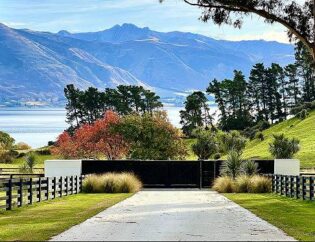
Front yard landscaping ideas for fire-prone areas should also account for the driveway and entry path. Keeping these clear and wide enough for emergency vehicles to access the property is a practical safety measure that often gets overlooked in residential landscape design planning.
The broader takeaway is that fire-resistant landscaping is not a separate category from good garden design. It is simply good design with an added layer of awareness. When you choose plants thoughtfully, maintain your outdoor space consistently, and use hardscaping strategically, you create a yard that looks great, supports local ecology, and gives your home a real layer of protection. That combination of beauty, function, and safety is exactly what sustainable landscaping should deliver.