Fragrances are one of the most powerful components of an atmospheric garden. Aromatic plants, such as lavender, can transform an ordinary garden into a nature-filled oasis that is not only visually appealing but also filled with delightful scents. In this article, we’ll share how to create a garden that will captivate your senses, offering both beauty and fragrance.
Why Are Aromatic Plants Important in the Garden?
Aromatic plants are more than just decorative elements; they create an atmosphere and can significantly affect how you feel when spending time in the garden. Scents can relax, evoke memories, and foster a sense of comfort and harmony. Additionally, many aromatic plants attract beneficial insects, such as bees and butterflies, which contributes to a healthy garden ecosystem.
Lavender: A Fragrant and Versatile Plant
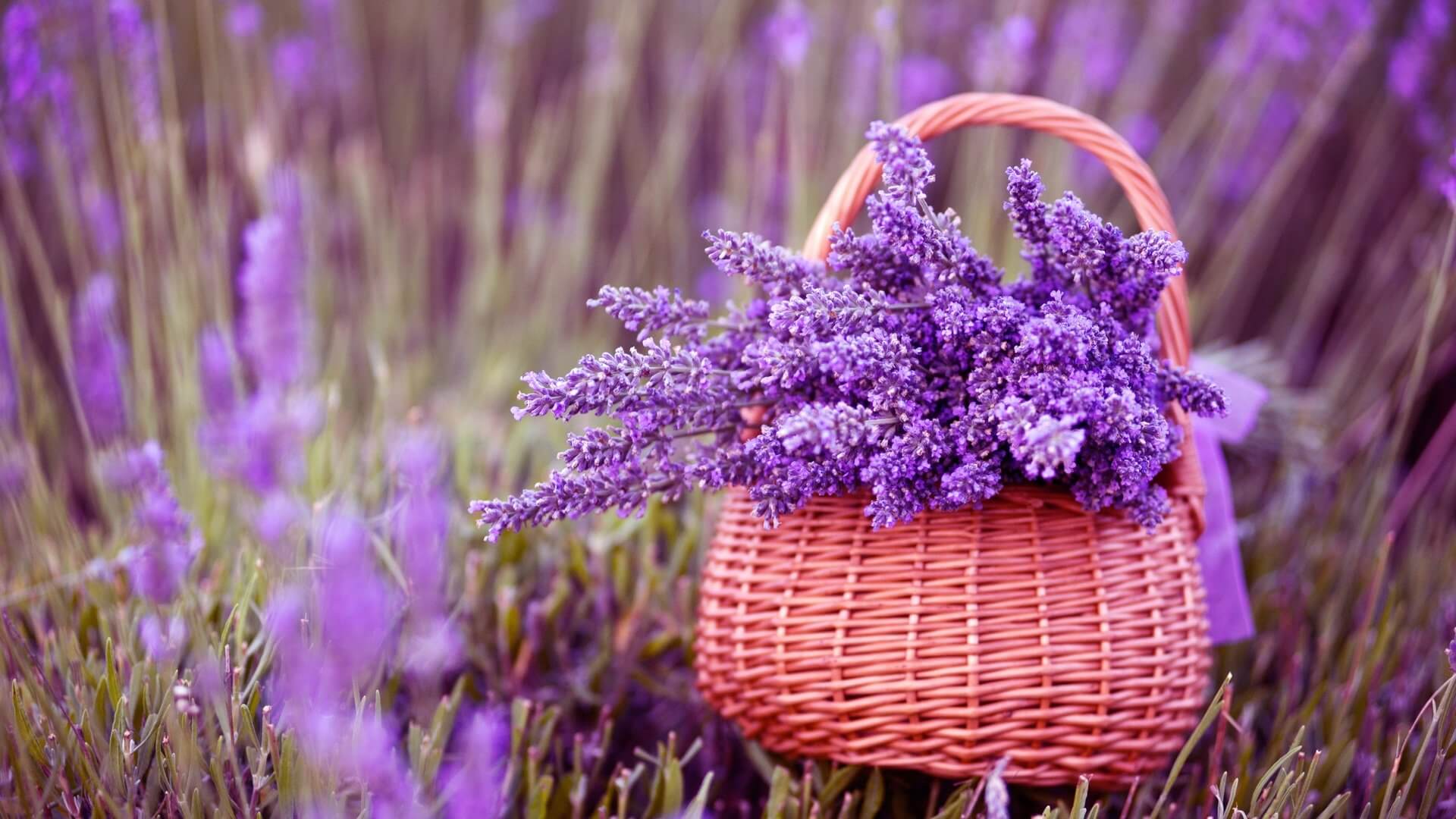
Lavender is one of the most popular fragrant plants in gardens, combining not only aesthetic charm but also a relaxing scent. Its purple or violet flowers can become the central element of a flower bed or be used along garden paths, filling the air with a soothing aroma. Lavender blends harmoniously with other flowering plants like roses and sage, creating vibrant compositions that please the eye and bring tranquility.
This plant is also perfect for creating low hedges or borders. Dense lavender bushes with bright flowers provide not only an aromatic but also a visually sophisticated accent in the garden. Planted in flower beds or pots on the terrace, lavender becomes a functional element that maintains a relaxing atmosphere, making your garden the perfect place to unwind after a busy day.
Other Fragrant Plants for the Garden
In addition to lavender, many other plants can fill your garden with extraordinary scents, adding variety and depth.
- Rosemary is not only a culinary herb but also a great aromatic accent for the garden. Its needle-like leaves emit a spicy fragrance that intensifies when touched. Rosemary is ideal for rock gardens, Mediterranean-style landscapes, and pairs beautifully with lavender and thyme.
- Sage is another fragrant plant that will add both scent and interesting textures to your garden. Its leaves have a slightly woody and spicy aroma, which is especially prominent in the summer months. Sage looks wonderful in flower beds and as part of a border.
- Lemon Balm or lemon grass, with its citrus fragrance, will bring freshness to your garden. This plant is perfect for creating green zones near water features or in areas where you want to emphasize lightness and freshness. Lemon balm blends beautifully with other aromatic herbs, such as basil and thyme.
- Jasmine is the symbol of a summer evening. Its delicate, sweet, and slightly exotic scent attracts not only people but also pollinators. Use jasmine to create flowering arches that will delight the senses throughout the warm season.
- Geranium is not only beautiful but also a highly fragrant plant. Its scent can be described as fresh and slightly spicy, with citrus notes. Geranium can be used in containers and flower beds, and its bright flowers will add vibrancy to any corner of your garden.
Creating a Fragrant Garden: How to Choose Aromatic Plants
For plants to fully bloom and fill your garden with their fragrance, you need to consider their placement. Aromatic plants grow best in sunny spots where they receive enough light and warmth. However, some plants, such as lemon balm or jasmine, can also thrive in partial shade.
It’s important not only to select aromatic plants but also to combine them thoughtfully. To avoid overwhelming the space, use plants with different types of scents. For example, combining the fresh citrus aroma of lemon balm with the spicy scent of sage or rosemary will create a balanced atmosphere. Lavender, with its light, calming fragrance, pairs perfectly with the sweeter, richer scents of jasmine or geranium.
To ensure your garden is aromatic all year round, combine plants with different flowering periods. For example, lavender starts blooming in early summer, while jasmine blooms in the peak of the season. This way, your garden will remain fragrant from early spring through late autumn.
Founder’s Opinion, Martin Palma, Ecolandscape Studio
«Aromatic plants are not just decorative elements of a garden. They help create a unique atmosphere that is impossible to replicate. When I work with clients, I always recommend combining plants with strong scents, like lavender and jasmine, with other landscape elements. This helps create not only a beautiful but also a vibrant atmosphere that changes with the seasons.» – Martin Palma, Founder and CEO of Ecolandscape Studio.
Creating a fragrant garden is not just a trend; it’s a way to turn your space into a true natural retreat. Aromatic plants like lavender, jasmine, sage, and rosemary can be used to create unique gardens filled with life, freshness, and comfort. Think about scent combinations and how they will harmonize with the visual accents in your garden. As a result, your garden will become not only aesthetically appealing but also a place that delights you with its fragrances all year round.
If you want to add more aromatic touches to your garden or need help planning the perfect landscape, the experts at Ecolandscape Studio are always ready to offer solutions tailored specifically for your space.