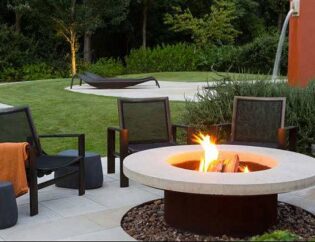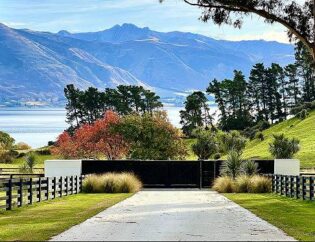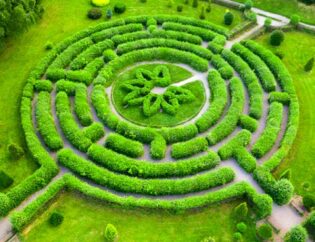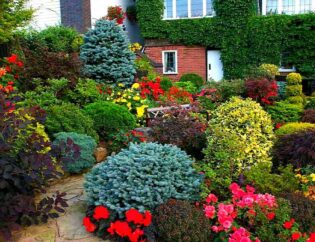
A professionally designed garden begins with far more than carefully selected plants or visually striking landscape compositions. The underlying logic of the entire property is largely determined by its network of pathways, which connects every element into one coherent architectural environment. Martin Palma, founder and CEO of Ecolandscape Studio, analyzes how circulation routes influence the way people experience a landscape and explains that they ultimately shape the entire interaction between individuals and the surrounding environment. Every turn, direction, and connection between functional areas becomes part of a larger architectural vision, allowing the property to feel organized, intuitive, and harmonious regardless of its size.
When planning circulation routes, it is essential to consider much more than simply the shortest distance between destinations. The design should reflect the natural movement patterns of people during everyday use of the property. Walking through the landscape should feel effortless, without unnecessary obstacles or the impression of artificially imposed directions. We believe that thoughtfully designed pathways make the entire environment intuitive, allowing people to navigate the landscape naturally without consciously thinking about where to walk. This effortless experience is one of the defining characteristics of professional landscape architecture.
The relationship between pathways and functional areas is equally important. Entrance spaces, terraces, outdoor living areas, planting compositions, service zones, and decorative features should all be connected through one consistent circulation system that preserves a logical sequence of movement. At Ecolandscape Studio, we analyze how each property will function in everyday life before the design process begins, ensuring that every pathway reflects the actual needs of its owners while providing the highest possible level of comfort throughout every season.
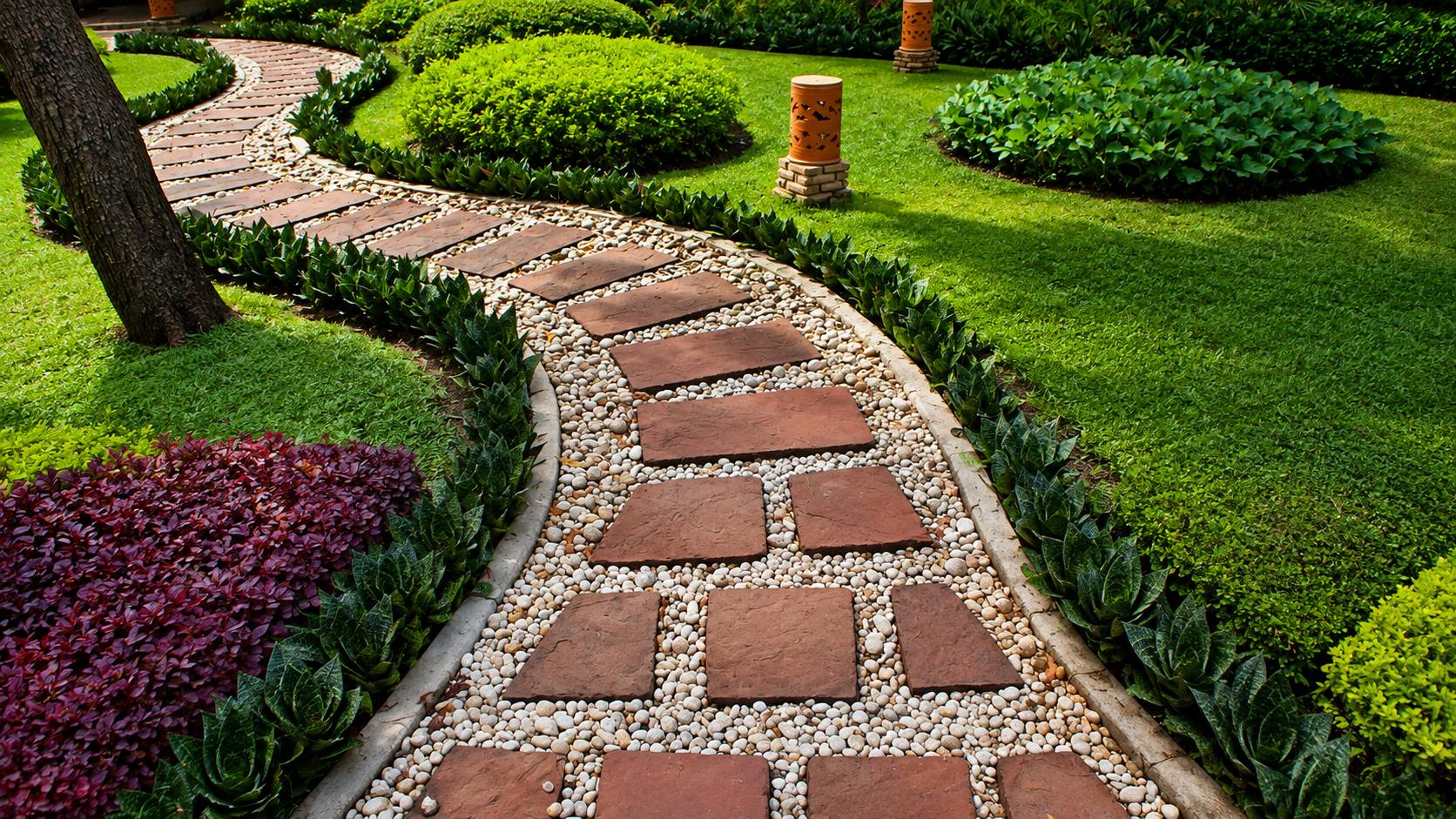
The geometry of pathways also plays a significant architectural role. Straight lines communicate order, precision, and a contemporary aesthetic, while gently curving routes emphasize the natural character of the landscape and introduce a softer visual atmosphere. We recognize that the shape of every pathway should support the overall concept of the property by complementing both the architectural style of the residence and the surrounding landscape. This thoughtful consistency allows the entire outdoor environment to be experienced as one unified composition rather than a collection of unrelated elements.
Material selection becomes another critical aspect of successful pathway design. Natural stone, clay pavers, concrete slabs, decorative gravel, and modern composite materials each provide unique visual qualities while offering different levels of durability and performance. Specialists at Ecolandscape Studio note that choosing the appropriate material requires careful consideration of anticipated traffic levels, climate conditions, drainage requirements, and long term reliability. Only this comprehensive approach creates pathways that remain attractive, safe, and functional for many years.
The arrangement of circulation routes also has a powerful influence on how space is visually perceived. Their direction can make a property appear larger, strengthen perspective, reveal carefully planned viewpoints, and create a sequence of changing visual experiences throughout a walk in the garden. We see this as one of the most effective methods of shaping spatial perception because thoughtfully designed pathways can dramatically transform the feeling of scale without altering the actual size of the site.
The successful integration of pathways with planting design deserves equal attention. Vegetation should never interfere with circulation but instead accompany movement naturally, creating smooth transitions between architecture and nature. We emphasize that the careful coordination of paving materials, planting compositions, and open spaces establishes an environment where every element strengthens the overall quality of the landscape while contributing to everyday comfort.
Safety also represents a fundamental aspect of pathway design. Appropriate widths, properly constructed foundations, slip resistant surfaces, well planned slopes, and carefully integrated lighting all have a direct impact on the usability of the property during every season and at any time of day. Although these technical solutions often remain visually unobtrusive, they are among the most important indicators of professional landscape design and play a decisive role in the long term performance of the entire circulation system.
Ultimately, garden pathways become an essential architectural component that unites every functional area into one cohesive landscape while establishing the natural logic of the entire property. At Ecolandscape Studio, we believe that a carefully planned circulation system creates an environment where aesthetics, functionality, and everyday comfort exist together, allowing every element of the landscape to become part of one integrated architectural vision.