A front yard full of grass sounds like a standard suburban setup, but for many homeowners in Colorado, it has quietly become one of the most expensive and water-hungry features on the property. One Colorado homeowner decided to change that, and the results offer a genuinely useful lesson for anyone thinking about smarter, more sustainable yard landscaping design.
The homeowner replaced a conventional lawn with a native plant garden kit, a ready-to-plant collection of regionally appropriate plants designed to thrive in local soil and climate conditions without constant irrigation. The shift was not just about saving water. It changed the entire character of the front yard, reduced maintenance demands, and created a more resilient outdoor space that works with the local environment rather than against it.
Traditional turf grass requires a significant amount of water to stay green, especially in semi-arid regions like Colorado where rainfall is unpredictable and summers are dry. A standard lawn can consume tens of thousands of gallons of water per year, and much of that water is lost to evaporation before it ever reaches the roots.
Native plant garden design offers a practical alternative. Plants that are native to a region have already adapted to local rainfall patterns, temperature swings, and soil conditions. Once established, they typically need little to no supplemental irrigation. This is the core principle behind xeriscape garden design and water-wise landscaping, both of which have become increasingly relevant for residential landscape design in the western United States.
The native garden kit used in this project made the transition more accessible. Instead of researching individual species and sourcing plants separately, the homeowner received a curated selection of plants suited to Colorado’s climate. This kind of packaged approach lowers the barrier for people who want to shift toward drought tolerant garden design but are not sure where to start.
Martin Palma, founder and CEO of Ecolandscape Studio, has seen this pattern play out across many residential projects. In his experience, the biggest obstacle for homeowners is not the cost or the labor — it is the uncertainty about which plants will actually survive and look good over time. A well-curated native plant kit removes that guesswork and gives people a realistic starting point that is already matched to their region.
The Colorado example is a useful reference point for homeowners in any region dealing with water restrictions, high utility bills, or simply a lawn that demands more attention than it is worth. The principles behind this project apply broadly to front yard landscaping ideas and backyard landscaping ideas alike.
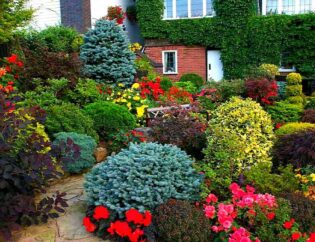
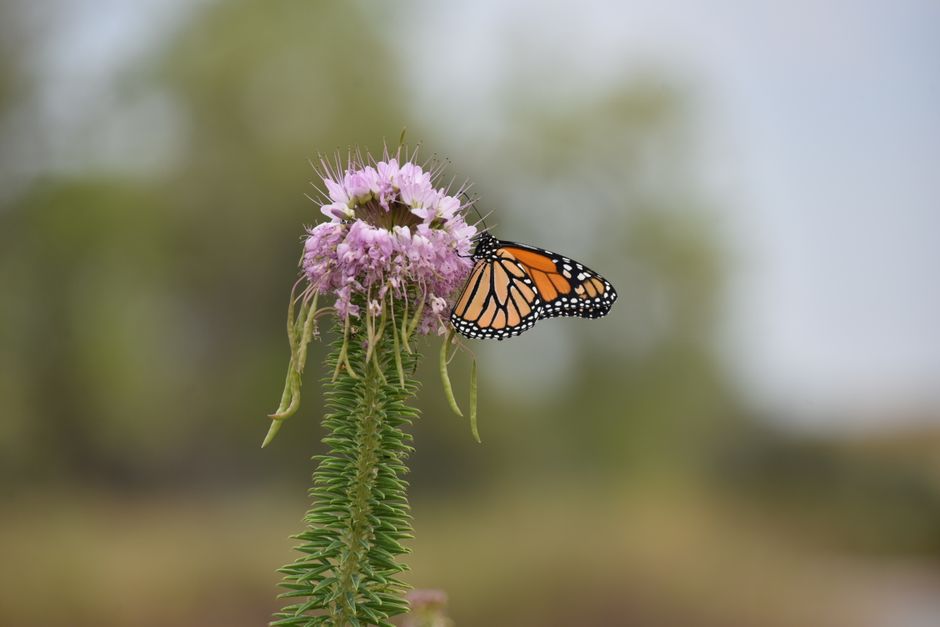
Replacing turf with a native or drought-adapted planting design does not mean sacrificing visual appeal. Native plants can be layered by height, texture, and bloom time to create a front yard that looks intentional and well-designed throughout the growing season. Pollinator garden design is a natural companion to this approach, since many native plants attract bees, butterflies, and other beneficial insects that support a healthy garden ecosystem.
From a practical standpoint, the transition also reduces the need for fertilizers, pesticides, and regular mowing. Low maintenance garden design is one of the most consistent requests that landscape professionals hear from homeowners, and native planting is one of the most reliable ways to achieve it without compromising on appearance.
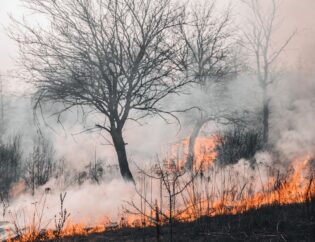
For those in fire-prone areas, fire resistant landscaping is another reason to reconsider a traditional lawn. Many native and drought tolerant plants have lower fuel loads than dense turf grass, and thoughtful planting design can create defensible space around a home while still looking attractive.
If you are considering a similar project, a few practical points are worth keeping in mind. Soil preparation matters more than most people expect. Native plants are adapted to local conditions, but they still benefit from proper planting depth, good drainage, and a layer of mulch to retain moisture during establishment. The first season is the most critical, and even drought tolerant plants need some watering while their root systems develop.
Garden edging ideas can also help define the transition between a native planting area and any remaining hardscape or lawn sections. Clean edges make a naturalistic planting look deliberate rather than neglected, which is an important distinction for curb appeal and neighborhood perception.
Landscape lighting ideas are another element worth considering early in the design process. Low-voltage path lighting or accent lighting placed around native plantings can extend the visual impact of the garden into the evening and add a layer of safety and warmth to the outdoor living space.
The Colorado homeowner’s experience is a reminder that changing one element of a yard can shift the entire dynamic of how a property looks, functions, and consumes resources. A native garden kit made the process approachable, but the underlying idea is transferable to almost any residential landscape design project. Starting with the right plants for the right place is one of the most reliable principles in outdoor design, and it rarely goes out of style.