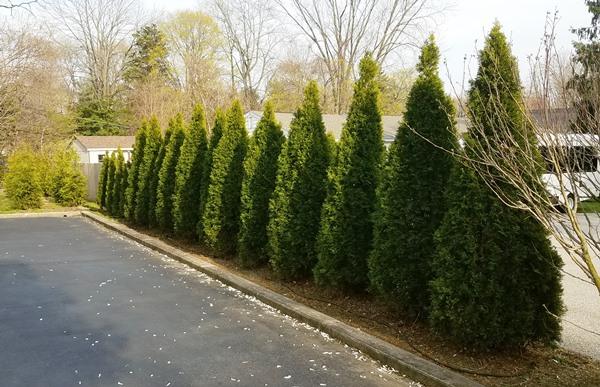
The Emerald Green’ thuja is one of the most popular plants in landscape design, perfect for creating live hedges, green walls, or accent trees. These evergreen plants are highly decorative and undemanding, making them an excellent choice for any garden. In this blog, Ecolandscape Studio shares professional recommendations on how to care for ‘Emerald Green’ thuja based on our experience and knowledge in landscape design.
Features of the ‘Emerald Green’ Thuja Variety
The ‘Emerald Green’ thuja is a fast-growing tree with a conical shape. It can reach up to 6 meters in height and has beautiful, bright green foliage that retains its color year-round. This variety is ideal for creating live hedges, especially in areas where privacy is needed. Additionally, the plant tolerates both hot summers and cold winters, making it suitable for various climates.
Choosing the Right Planting Location
‘Emerald Green’ thuja prefers sunny or partially shaded areas. It’s important to note that it does not like full shade, as this can lead to poor decorative qualities, reduced foliage density, and slower growth. The ideal amount of sunlight for the thuja is 4 — 6 hours per day. However, excessive direct sunlight, especially during hot hours, can damage the foliage, causing burns. It’s important to consider this when choosing the planting location.
Soil and Watering
‘Emerald Green’ thuja thrives in moist but well-drained soil with a neutral or alkaline pH. The plant does not tolerate stagnant water, which can lead to root rot. It is crucial to provide good drainage by adding sand or organic materials to the soil.
Watering should be done regularly, especially during the first few months after planting to help the plant establish its roots. Once the thuja is established, watering should be reduced, but the soil should not be allowed to dry out completely. On average, the thuja needs about 2.5 cm of water per week during its first year, and about 1 -1.5 cm of water per week after establishment.
Temperature and Humidity
‘Emerald Green’ thuja grows well in a moderately cool climate. High humidity can cause fungal problems, so it’s important to ensure proper spacing between plants — at least 90 cm apart. This helps improve air circulation and reduces the risk of disease. Avoid planting in overly windy areas as this can affect the stability and growth of the plant.
Pruning and Care
‘Emerald Green’ thuja does not require special pruning. However, regular removal of dead or diseased branches helps improve air circulation and prevent the development of diseases. To maintain the plant in an attractive shape and stimulate denser growth, it is recommended to prune the shoots in early spring, without cutting the branches back to the bare wood. This will encourage the shrub to grow more densely.
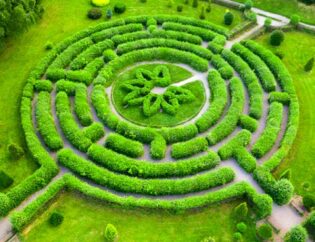
Additionally, it is possible to form the thuja into topiary shapes. This can be done by trimming the branches several times a year to create decorative forms, such as spirals or cones.
Winter Care and Frost Protection
Despite its winter hardiness, ‘Emerald Green’ thuja needs additional protection during the winter months, especially for young plants. In cold climates, it is recommended to tie the branches of the thuja with twine to prevent damage from snow or ice. Wrapping the plant with burlap provides extra frost protection. Mulching around the roots will help retain moisture and protect the plant from temperature fluctuations.
Common Problems and Solutions
Although ‘Emerald Green’ thuja rarely suffers from diseases or pests, the following issues can sometimes arise:
- Yellowing of the foliage: This phenomenon can occur in winter, especially if the plant is not watered enough or in cases of severe frosts. It’s important to maintain regular watering during the winter months if there is no snow or rain.
- Bagworm caterpillars: These pests can damage the foliage of the thuja by eating it and creating characteristic bags. To control them, manually remove the bags or use organic treatments such as neem oil to kill the larvae.
- Fungal diseases: Poor air circulation can lead to the development of fungi on the leaves and branches. To prevent this, monitor the plant’s condition, trim damaged branches, and, if necessary, use fungicides.
‘Emerald Green’ Thuja is an excellent choice for creating decorative green elements in your garden, whether it’s for live hedges, accent trees, or green walls. By following these simple care tips, you can keep your thuja healthy, beautiful, and long-lasting for many years. It’s important not only to choose the right planting location but also to regularly care for the plant to ensure it stays lush and green year-round.
Ecolandscape Studio is always ready to share its knowledge and experience in sustainable landscape design. We help create harmonious and lively spaces where plants are not only decorative but also ecologically sustainable elements.