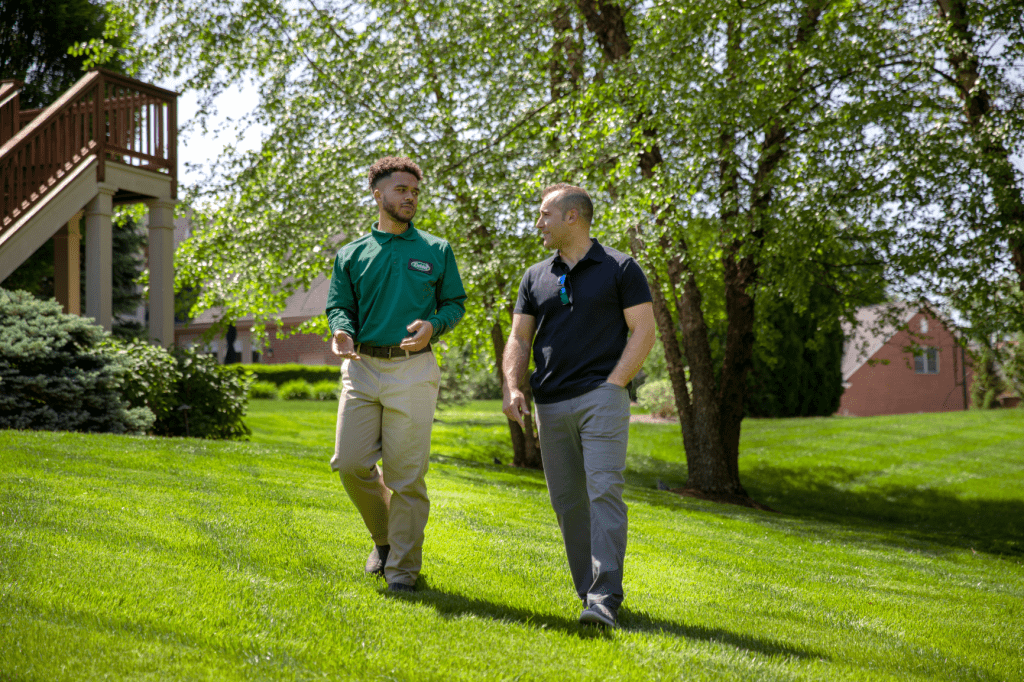
When it comes to landscape design, selecting the right contractor is a crucial step that can determine the success of your project. The first meeting with the contractor is not just an opportunity to discuss the details, but also a chance to assess whether they align with your expectations and requirements. In this post, the specialists at Ecolandscape Studio share recommendations that will help you effectively prepare for your meeting with a contractor and ask key questions for the successful execution of your project.
As Martin Palma, the founder and CEO of Ecolandscape Studio, emphasizes: “Choosing a contractor is not just about working with an executor, but about creating a partnership that will help turn your ideas into reality.” Therefore, it is important to ensure in advance that the contractor has the necessary knowledge and experience to work on your landscape project.
When will the project start and how long will it take?
One of the most important questions to discuss with the contractor is the exact timeline for the start and completion of the work. This will help you plan all the stages correctly, avoid misunderstandings with other scheduled events, and understand when the landscaping of the site will be completed. Knowing the deadlines gives you confidence that the landscape design project will be completed on time.
What permits are required?
Depending on the scale of your project, various permits may be necessary. Ecolandscape Studio asserts that a good contractor is one who is always up to date with local building codes and regulations. It’s essential to discuss what permits will be needed for elements of the landscape design, such as water features, lighting, fences, and other components. Preparing all necessary documents in advance will help avoid delays during the work.
How are payments structured?
It is very important to agree on the payment terms with the contractor in advance to avoid unpleasant financial surprises. Discuss how the payments will be divided into stages, and what amounts and deadlines are planned for each phase. This approach ensures more transparency and allows you to control the budget throughout the project. Do not agree to full prepayment, especially if the contractor does not provide a clear estimate.
Who will oversee the project?
Project oversight is one of the most critical aspects of successful collaboration. You need to know exactly who will be your main point of contact and with whom you will interact throughout the process. The responsible person should be available for prompt decisions and quality control at all stages. Clarify who will manage the project and coordinate the work.
What’s included in the estimate?
The contractor should provide you with a detailed estimate with a full breakdown of all expenses, including the cost of materials and labor. Transparency in the estimate will help avoid misunderstandings and hidden costs in the future. Ensure the estimate includes all details, such as delivery, installation, and possible material price fluctuations.
How will changes to the project be handled?
Landscape projects often require modifications during the work process. Therefore, it is important to discuss with the contractor in advance how changes will be incorporated into the project and how these will affect the cost and timeline. Make sure any changes are documented in writing and agreed upon with you. This will help avoid disputes and additional costs.
What warranties does the contractor provide?
Warranties on completed work serve as your safeguard and provide additional peace of mind. Clarify what warranties the contractor provides on plants and materials. Typically, contractors offer a warranty for plants ranging from a few months to a year. For larger items, such as terraces, patios, or walkways, the warranty may be longer. Discuss the warranty terms and clarify what it covers.
What is the contractor’s experience with similar projects?
Understanding the contractor’s experience with similar projects will help you assess how well they can handle the tasks ahead. A contractor with experience in similar landscape projects will be better prepared to solve arising issues. Ask for examples of completed projects or recommendations from previous clients.
How will site cleanup be organized?
Site cleanup is an essential aspect of the work that should not be ignored. Discuss with the contractor how they will manage the disposal of waste during and after the work. A good contractor always ensures that the site remains clean, and all waste is disposed of properly.
How will communication be organized during the work?
Set clear expectations for communication. Discuss how often the contractor will provide progress updates, what communication channels will be used, and how quickly the contractor will respond to your questions. Regular and timely updates will give you confidence that the project is on track.
How often will the contractor meet with you?
It is important to agree on how often the contractor will meet with you to assess the progress of the work. Regular meetings will allow you to control the project and resolve any issues that arise in a timely manner. Make sure the contractor agrees to meet at key stages of the work to ensure that the project aligns with your expectations.
Will subcontractors be used?
If the contractor plans to hire subcontractors, make sure to find out who will be working on your project. A good contractor should only work with reliable and trusted specialists who meet their quality standards. Discuss how subcontractors will impact the project and how their work will be coordinated.
Choosing the right contractor for landscape design is one of the most important steps that will influence the final result. By clearly defining all conditions and discussing important points in advance, you can avoid misunderstandings and ensure high-quality execution of the project. At Ecolandscape Studio, we are always ready to offer our clients professional help and full support at every stage of the landscape project implementation. By approaching the selection of a contractor with maximum responsibility, you can create a space that will delight you for many years to come.