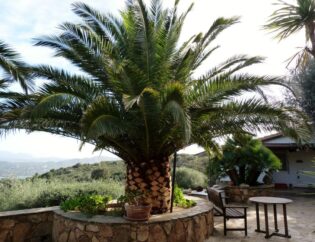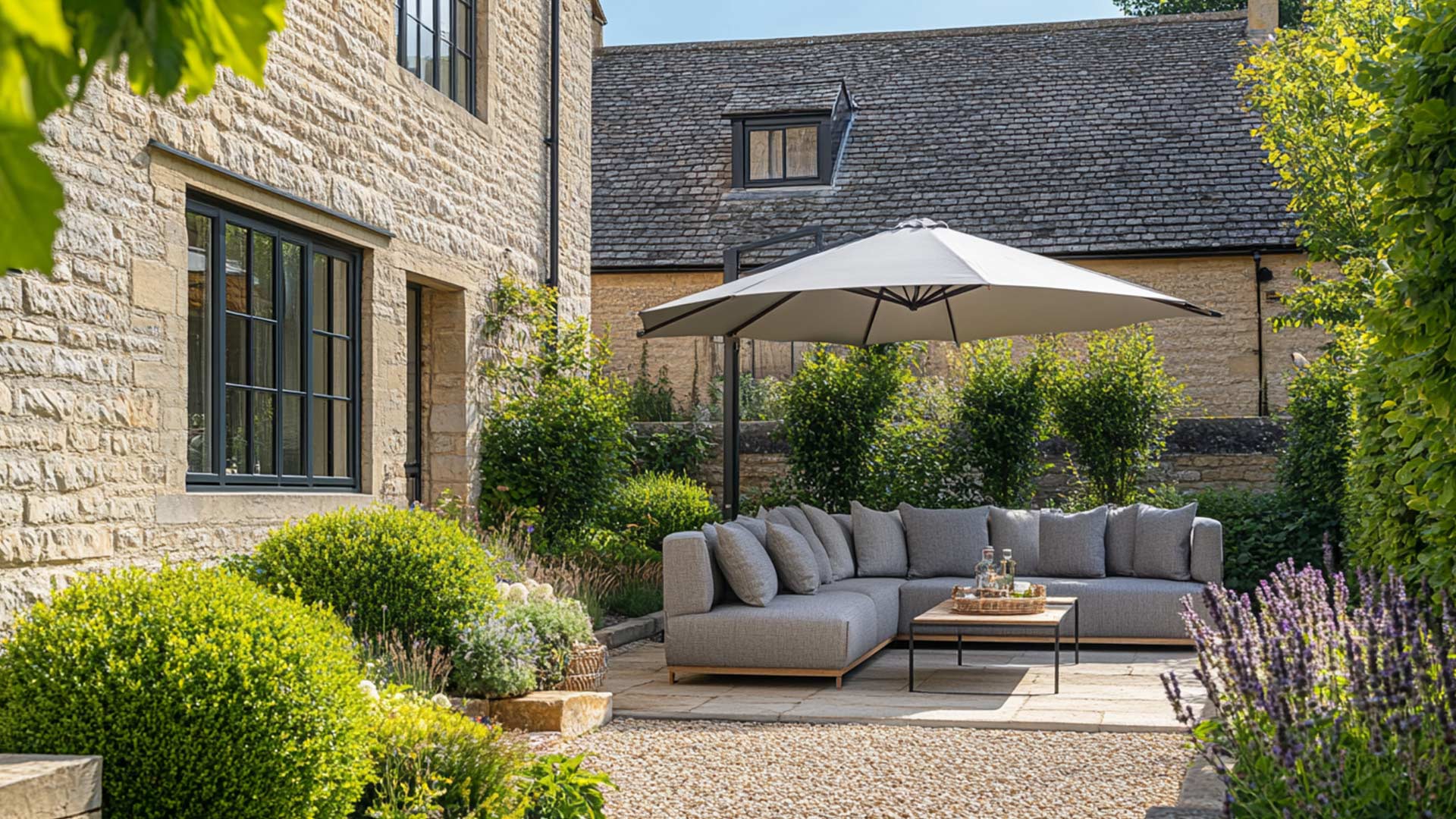
Choosing a landscape design style is a crucial step in landscaping your property, as it defines the atmosphere and functionality of your garden. The style influences how the space will be perceived and how convenient it will be to use in daily life. At Ecolandscape Studio, we help our clients select a style that harmoniously blends with the architecture of their home and the surrounding landscape. In this article, we will discuss how to choose a landscape design style that fits your preferences, climate, and the size of your property.
How to Choose a Landscape Design Style for Your Property?
The first factor to consider when selecting a style is the size of your property. For larger spaces, more complex compositions are suitable, including elements such as ponds, garden pavilions, decorative trees, and shrubs. In this case, the English garden style or eclecticism would be particularly appropriate. These styles allow for picturesque and multi-layered landscape compositions that effectively utilize the space.
For smaller properties, it’s better to choose compact solutions, such as a Japanese garden or a modern style, where minimalism and clean lines are used. These styles allow for efficient use of limited space while creating a sense of openness through harmony and simplicity.
The second important aspect is the climate conditions. For example, if you live in a hot region, consider drought-resistant plants such as cacti and succulents. In colder regions, evergreen trees and frost-resistant shrubs are ideal. For temperate climates, there is a wide selection of plants for various styles, from decorative flowers in the English garden to mosses and deciduous trees in the Japanese garden.
Equally important are your preferences. If you like strict geometric shapes and minimalism, opt for a style with clean lines, such as modern landscape design. It’s perfect for those who appreciate simplicity and functionality, as well as those who want to create a convenient and practical space. However, if you want a garden with a variety of plants and decorative elements, eclecticism is an excellent choice. This style allows you to mix different elements, creating a unique atmosphere.
Popular Landscape Design Styles
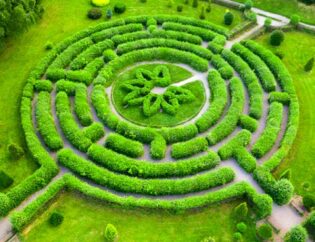
The Japanese landscape design style emphasizes harmony with nature. The main elements are stones, water, moss, and plants. This style is ideal for small properties. The key aspect is creating a calm atmosphere and avoiding overcrowding the space with unnecessary elements. Minimalism plays a central role in the Japanese garden, where each element has its significance. However, such a garden requires careful maintenance to preserve its harmony.
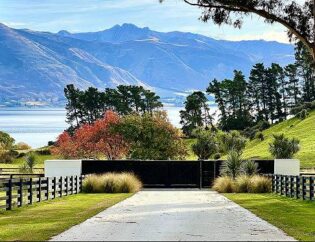
The English style is perfect for larger properties, where you can place lawns, flowering shrubs, and trees. It allows the inclusion of various architectural elements like benches, gazebos, and small ponds. Balancing artificial and natural elements is crucial in this style. It’s ideal for those who want to create a space for walks and quiet relaxation.
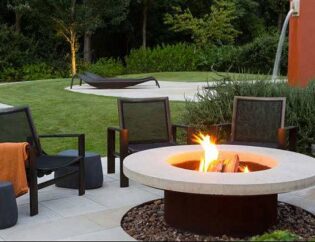
Modern landscape design is oriented towards minimalism, simplicity, and functionality. Materials like concrete, metal, and glass are often used, along with open spaces and clean lines. This style is perfect for urban properties and contemporary homes. Modern gardens are easy to maintain and convenient to use, making them a practical choice for smaller areas.
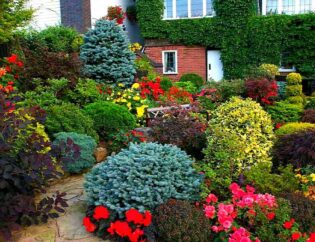
Eclecticism in landscape design is a combination of various styles and elements. This approach allows you to mix styles like Japanese gardens and English gardens or incorporate modern materials like concrete and metal. Eclecticism is perfect for larger properties where different zones can be easily combined, creating unique compositions that reflect your personality and lifestyle.
Practical Tips for Choosing a Style
When choosing a landscape design style, it’s important to consider several factors. First, think about the size of your property. Larger areas are suitable for styles that allow for multi-layered compositions, such as English style or eclecticism, where you can incorporate many plants and decorative elements. For smaller properties, opt for minimalist styles like the Japanese garden or modern design that won’t overload the space but instead make it feel more open and spacious.
You should also take into account the climate conditions in your region. In hot climates, drought-resistant plants like cacti and succulents are ideal, while in colder regions, evergreen plants are a better choice. It’s essential to select plants that will thrive in your specific climate.
Don’t forget about your personal preferences. If you prefer clean lines and simplicity, the modern style is perfect. If you love nature and variety, styles with more plants, such as the English garden or eclecticism, will be more fitting. Your choice depends on what matters most to you: order and minimalism or lush greenery and diversity.
Also, consider your budget. Some landscape design styles, like the English garden or eclecticism, may require significant financial investment in plants, materials, and decorative elements. More budget-friendly solutions, like the modern style, tend to require fewer plantings and materials.
Creating a Space That Will Bring Joy Every Day
As Martin Palma, founder and CEO of Ecolandscape Studio, notes, «Each project is unique, and it’s important to remember that landscape design is not just about beautifying the property. It should be a thoughtful solution that will bring you joy every day and serve as a functional part of your home. For us, it’s not only about creating beautiful spaces but also making them convenient and easy to maintain so that every corner of your garden brings pleasure.»
Choosing a landscape design style depends on various factors, from the size of your property to the climate conditions and personal preferences. At Ecolandscape Studio, we help our clients select the right style that meets their needs and suits the landscape. A proper landscape design is a space that harmonizes with the surrounding nature and is comfortable for everyday life.