A garden hose is one of the most important tools for maintaining a healthy garden, but choosing the right hose and using it responsibly is just as important as its proper application. At Ecolandscape Studio, we believe that every element of garden care, including tools, should be part of an environmentally conscious practice. Hoses are no exception. In this article, we’ll share expert advice on how to choose and use a hose with minimal impact on the environment, while maintaining the health of your plants and the planet.
How to Choose an Eco-Friendly Garden Hose
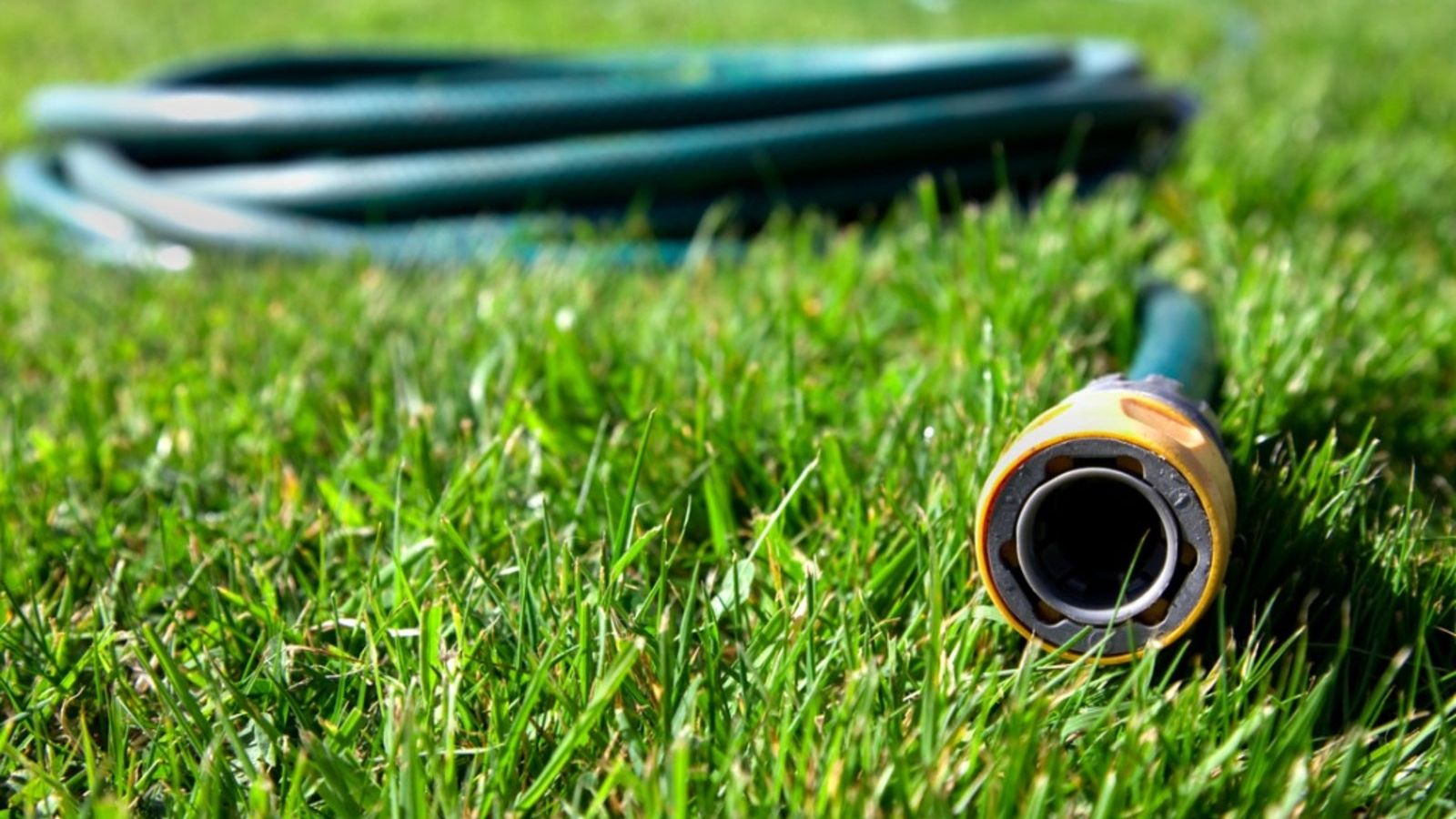
Not all hoses are created equal. Traditional hoses may contain harmful chemicals like PVC and phthalates, which not only negatively affect the environment but can also seep into the soil and water, impacting your plants. At Ecolandscape Studio, we recommend choosing hoses made from safer and more sustainable materials. Here’s what to look for when selecting a garden hose:
- Non-Toxic Materials: Look for hoses made from rubber, polyurethane, or recycled materials. These hoses are free of PVC and other harmful chemicals, making them safer for your plants and the environment. Some manufacturers even offer BPA-free hoses, which help avoid the release of toxic substances.
- Durability: A hose that lasts longer will help you save money and reduce waste in the future. Choose hoses with strong, reinforced construction that can withstand all weather conditions without cracking or wearing out. While these hoses might cost a little more upfront, they will prevent frequent replacements and reduce long-term waste.
- Recyclable Hoses: Some hoses are made from 100% recycled materials. These hoses not only reduce waste at disposal but also lessen the need for new natural resources in production, contributing to a more sustainable usage cycle.
How to Use Your Garden Hose Responsibly
Once you’ve chosen an eco-friendly hose, it’s important to use it properly to save water and protect the environment. Here are our recommendations from Ecolandscape Studio:
Water is a precious resource, and inefficient watering can lead to excessive water use. To minimize water consumption, it’s important to install a timer on your hose that will automatically shut off the water after a set time, avoiding overwatering. You should also consider using drip irrigation or soaker hoses, which release water slowly along their length, delivering moisture directly to plant roots while minimizing runoff. Watering in the early morning or late evening helps reduce evaporation, making your watering more efficient.
Additionally, proper hose storage is crucial. Leaving your hose in the sun can not only damage its appearance but also shorten its lifespan. After use, be sure to coil the hose and store it in a cool, dry place, using a hose reel or holder to protect it from the elements. Regularly check your hose for leaks and kinks, as damage reduces watering efficiency and leads to water wastage. If the hose is damaged, it should be repaired or replaced.
Ecological Benefits of Using an Eco-Friendly Hose
Choosing an eco-friendly hose not only reduces the potential harm caused by toxic chemicals but also supports sustainable gardening practices. Using non-toxic materials ensures that the water you use to irrigate your plants remains clean and safe for them.
Moreover, by investing in a durable and high-quality hose, you reduce the need for frequent replacements, which helps decrease waste and the strain on landfills. The longer your hose lasts, the less it contributes to environmental pollution.
Martin Palma says: “At Ecolandscape Studio, we are always looking for ways to make our gardening practices more sustainable. The tools we choose, such as hoses, should not only help us care for our gardens but also minimize our environmental impact. An eco-friendly hose is one small but significant step toward more sustainable gardening.”
A hose is an essential tool for maintaining your garden’s health, but making the right choice and using it responsibly can help minimize its ecological footprint. At Ecolandscape Studio, we recommend choosing hoses made from safe, durable materials, using water wisely, and properly storing your tools. Simple steps like these will not only make your garden beautiful but also sustainable. With these tips, you can enjoy a flourishing garden while caring for the planet.