Small fences are not only practical elements but also stylish accents that can become a decoration for your garden. They help define boundaries, protect plants, and create a cozy atmosphere. At Ecolandscape Studio, we always strive to create harmonious landscape solutions, and small fences are an excellent way to add elegance to your garden. In this article, we will share tips on how to choose and install small fences that will perfectly blend with your landscape design.
Why Small Fences Are a Great Solution for Your Garden
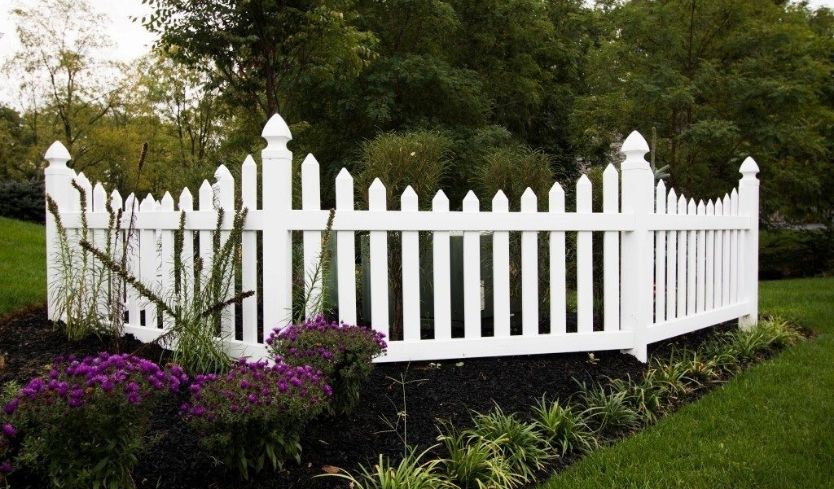
Small fences are perfect for dividing garden zones, highlighting flower beds, or protecting plants from external influences. They can serve not only as barriers but also as decorative elements that add individuality to your garden. A small fence helps create visual accents without overwhelming the space. It can be used in any garden, whether it follows a classic or modern style.
Choosing the Material for a Small Fence
The materials for small fences can vary widely depending on the garden’s style and your preferences. Wood will add warmth and coziness; metal provides a modern, sleek look; stone or brick adds solidity and durability; plastic is a budget-friendly and easy-to-install option. It’s important to choose a material that is not only aesthetically pleasing but also durable, considering the outdoor environment.
How to Choose the Style of a Small Fence
The style of the fence should be harmonious with the overall design of your garden. In a classic garden, wooden fences with decorative elements or wrought iron structures will look perfect, while strict, geometric metal fences are ideal for modern gardens. For eco or rustic-style gardens, rough-hewn wood or stone works best, creating a sense of natural beauty and harmony with the surroundings.
Installing a Small Fence
Proper installation is the key to the fence’s longevity and stability. First, prepare the area by clearing it of vegetation and debris. Then, install posts, ensuring they are buried deep enough in the ground for stability. Afterward, you can attach panels or sections of the fence. If the fence is made of wood, be sure to protect the wood from moisture by using antiseptics. Metal and stone fences require less maintenance but should also be protected from the elements.
Decorative Elements and Maintenance
To make your fence even more attractive, add decorative elements. You can plant climbing plants like ivy or grapevines around the fence, which will wrap around it and create a green hedge. Also, don’t forget about regular maintenance: periodically clean the fence from debris, repaint it (if it’s a wooden fence), and treat it for moisture resistance to extend its lifespan.
Small fences are not just functional elements but also beautiful decorative accents that can become an essential part of your landscape design. Choosing the right material, style, and installation method will help create a harmonious space that will delight you for many years.
Martin Palma, founder and CEO of Ecolandscape Studio, concludes: «Small fences are more than just barriers; they are design elements that give your garden a sense of completion, coziness, and style. They can be simple or sophisticated, but they should always harmonize with the surrounding landscape.»
At Ecolandscape Studio, we are always happy to help you choose fences that will perfectly fit your garden, making it an essential and beautiful part of your outdoor space.