When designing private homes and gardens, a key element is creating a connection between the interior and exterior. At Ecolandscape Studio, we believe that a home and garden cannot exist without each other they must be part of a whole. To create a space where comfort and harmony prevail both inside and out, it is important to integrate architectural and landscape solutions. In this article, we share how to properly merge these two spaces, creating a cohesive and aesthetic ensemble.
Martin Palma, the founder and CEO of Ecolandscape Studio, believes that harmony between the interior and exterior begins with a careful approach to each element of the project. «For us, it is important that the house and garden are not just separate parts but organically complement each other, creating a space that is pleasant to live in.»
Why Is It Important to Combine Interior and Exterior?
The integration of these two spaces not only has aesthetic value but also practical significance. When the house and garden work in harmony, it creates the sense of expanded living space, even if the plot is small. Landscape design, skillfully connected to the interior, transforms the garden into an extension of your home, thereby expanding opportunities for relaxation and socializing. This is particularly important in modern urban living, where every square meter counts.
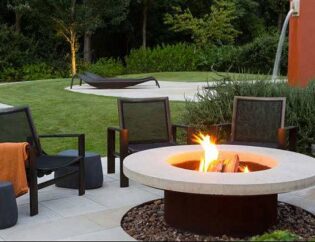
Smooth transitions between the house and garden can significantly increase the functionality of outdoor areas. Terraces, summer kitchens, and gazebos become not just additional elements but full-fledged living zones, providing comfort throughout the year. This approach helps create a space that feels like one whole, where the boundaries between indoor and outdoor areas disappear. It is crucial that every design element whether furniture, plants, or lighting supports the overall concept, creating an atmosphere of coziness and harmony.
How to Choose a Style for the House and Garden?
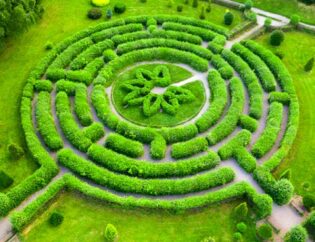
To create a truly harmonious space, it is necessary to consider the style for both the interior and the garden. The style should not only be fashionable but also suitable for your home and plot. For example, if your home is dominated by a classic style, you can use traditional elements in landscape design, such as neat pathways, hedges, and symmetrical plantings. In the case of modern minimalism, simple shapes, asymmetry, and plants with clear lines are ideal. It is important that the interior and exterior support each other, creating a unified space.
Harmony between the house and garden is achieved through the use of the same materials. For example, if the interior features elements made of wood or stone, these materials should also be used in landscape design. This helps unite these two spaces into one whole, while maintaining the style unity that reflects your preferences and the characteristics of the plot.
Don’t forget that functionality is just as important as aesthetics. The style you choose should meet your needs and lifestyle, and this is true for both the interior and the garden. Ultimately, style is not just about what you see, but also about how comfortable it is for you to live in.
Smooth Transitions Between Interior and Exterior
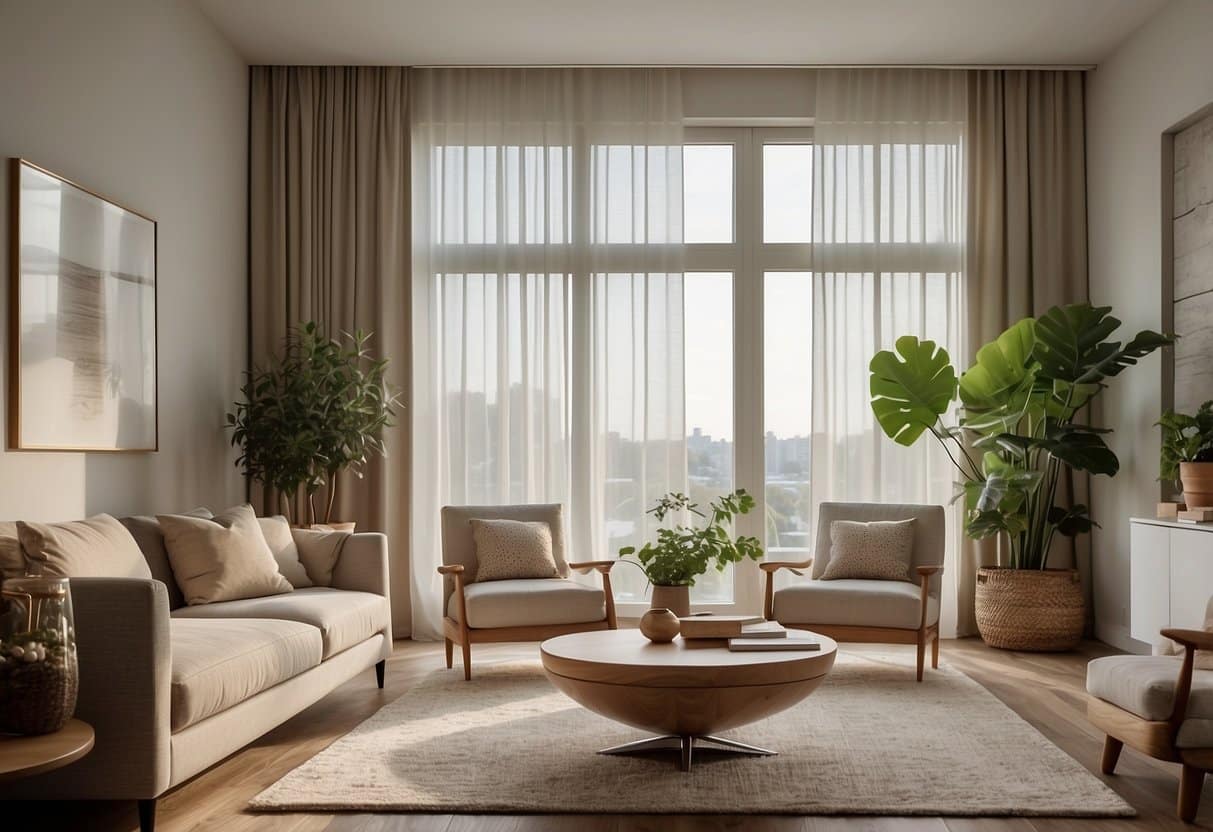
To create harmony between the house and the garden, it is important to make the transitions between these areas as smooth and natural as possible. Panoramic windows and glass doors are an excellent solution for integrating the garden into the house, as they not only allow light in but also provide a beautiful view of the outdoors. With such solutions, you can make the garden an extension of your home, minimizing visual barriers between the interior and exterior.
Terraces and verandas, designed in the same style as the house, also contribute to a smooth transition. This can be an open terrace with furniture or a covered veranda with soft sofas and greenery. An important element is using the same materials and color schemes as in the interior. This helps create a cohesive space where each element harmoniously blends with the others, emphasizing the connection between the house and the garden.
How to Choose Plants to Create Harmony Between Interior and Exterior?
Plants are an essential part of landscape design and play a key role in connecting the house and the garden. To make plants a part of the unified space, they need to be selected carefully. For example, large decorative plants such as ficuses, palms, or laurel cherries are perfect for both interior and exterior spaces. They add greenery and help merge the indoor and outdoor spaces.
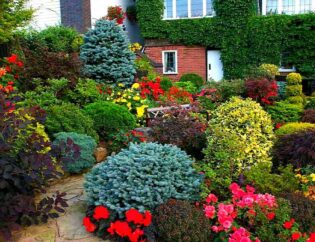
It is important to remember that plants should be suited not only to your style but also to the climatic conditions of your region. For instance, perennials and coniferous shrubs will provide a green backdrop throughout the year. Flowering plants like roses or lavender will add vibrant colors during the summer months, creating contrast and enhancing harmony between the interior and garden.
Lighting as a Means of Creating Unity
Lighting is one of the key elements that helps set the atmosphere and unite the home and garden. Proper lighting not only highlights landscape details but also helps smoothly connect the interior and exterior spaces. For example, soft lighting for terraces and garden paths creates a cozy outdoor atmosphere, while illuminated plants or architectural elements become accents that seamlessly continue the interior of your home.
Interior lighting, selected in the same style as the outdoor lighting, helps create a visual unity. Chandeliers, table lamps, or bedroom light fixtures can be made from the same materials as the outdoor lights, highlighting the connection between the house and the garden.
Creating harmony between the interior and exterior is a process that requires attention to every detail. But in the end, the result is worth the effort. Uniting the house and garden through the right choice of style, smooth transitions, and carefully selected plants and lighting allows you to create a space that is pleasant to live and relax in.
At Ecolandscape Studio, we are confident that the key aspect of creating such a space is attention to detail and the ability to adapt the style to your lifestyle. We will help you create a project that reflects your preferences, combining comfort, aesthetics, and functionality, ensuring harmony between the house and garden.