Landscape design is not just about creating beautiful spaces, but also about combining elements that work together harmoniously, ensuring both visual appeal and functionality. One of the most important aspects of landscape design is the right combination of two key concepts — coherence and complexity. These elements not only create a harmonious space but also transform it into a unique and inspiring place to live. At Ecolandscape Studio, we believe that balancing these two aspects helps create landscapes that are visually appealing and stand the test of time.
Coherence and Complexity: The Foundations of a Harmonious Landscape
When we talk about landscape design, coherence and complexity are two essential elements that must be in perfect balance.
Coherence is the organization of all the design elements. This can be achieved through repeating shapes, textures, or colors. For example, using identical plants or repeating architectural elements helps create a unified composition and makes the space visually harmonious. In our approach, we always strive to use elements that support the overall concept, whether they are repeating plants or materials like stone, wood, or gravel. These elements help connect different parts of the garden or yard, creating a sense of unity.
Complexity refers to elements that add dynamism and interest to the space. This can be contrast in colors, shapes, or textures. For example, combining bright and calm tones or contrasting plant textures helps create visual focal points that draw attention without disturbing the overall harmony. It is important that complexity is moderate, creating interest without overwhelming the perception.
When coherence and complexity work together, they create a space that is not only visually pleasing but also functional and easy to use. At Ecolandscape Studio, we are confident that the balance between these two aspects helps us create landscape solutions that are not only beautiful but also long-lasting.
Applying Landscape Perception Principles in Design
Our research and experience show that when designing a landscape, it is essential to consider several principles that help create a balanced space.
Coherence — the ability to perceive elements as a whole. This helps create a structure where all components are easily perceived and interact harmoniously with each other. When all the elements in a landscape design complement each other, the space becomes comfortable to perceive and navigate.
Complexity — this is what adds interest and depth to the space. Contrasts in textures, shapes, and colors attract attention and create visual focal points that become centers of attraction. However, it is essential that these contrasts do not overload the visual perception but instead enhance the natural harmony of the other elements.
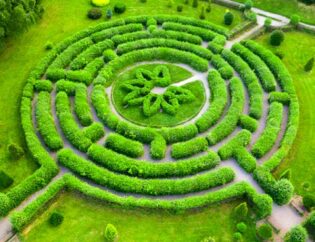
Legibility — the ability to easily navigate through the space and understand how to move within it. This is an important aspect that we always consider when designing gardens and yards, ensuring that they are comfortable to use and explore.
Mystery — elements that are hidden or promise further discovery. For example, hidden corners of the garden or unexpected details in the landscape design create intrigue and encourage exploration. These details add depth and uniqueness to every project.
These principles help us create landscapes that are not only beautiful but also functional, meeting the needs of our clients.
Martin Palma, Founder and CEO of Ecolandscape Studio, Shares His Experience
Martin Palma, the founder and CEO of Ecolandscape Studio, shares his experience: «In landscape design, it is always important to remember that harmony doesn’t have to be boring. We create projects that combine coherence and complexity, ensuring that the space remains vibrant and engaging. By using local plants and materials, we ensure that the landscape blends organically with the surrounding environment and is sustainable. We always strive to make each project unique and create comfort for the people who will experience it.»
Martin also emphasizes that local plants play a crucial role in creating a harmonious landscape. «Local species are perfectly adapted to the climate and soil, which helps create not only a beautiful but also a sustainable space that requires minimal maintenance,» he adds.
Recommendations for Creating a Balanced Landscape from Ecolandscape Studio
At Ecolandscape Studio, we adhere to several core principles when creating landscape projects. First and foremost, we always recommend using local plants, which help integrate the garden into the natural landscape and increase its resilience to climate changes. Local species require minimal care and are perfectly suited to your region.
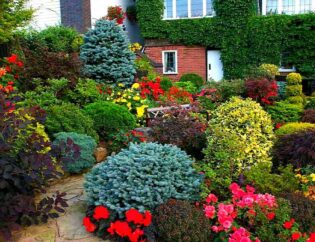
At the same time, we always strive to combine different textures and forms. This helps create more dynamic and layered compositions. For example, using plants with smooth leaves next to rough textures adds depth and visual interest to the garden.
Another essential aspect is seasonality. We recommend choosing plants that will remain beautiful throughout the year. This helps create a garden that maintains its appeal even in winter, providing visual interest at all times.
Equally important is the creation of unexpected corners or hidden details that can become little mysteries in the garden, encouraging exploration. These accents make the space more layered and engaging.
Creating a balanced landscape is not just an artistic process, but also a technical task that requires attention to many factors. It is important that the elements of coherence and complexity work together, creating a space that will be pleasing to the eye and serve its purpose for years to come. At Ecolandscape Studio, we are confident that by following these principles, we can create landscapes that combine beauty and functionality, transforming your garden or yard into a unique and comfortable place for rest and inspiration.