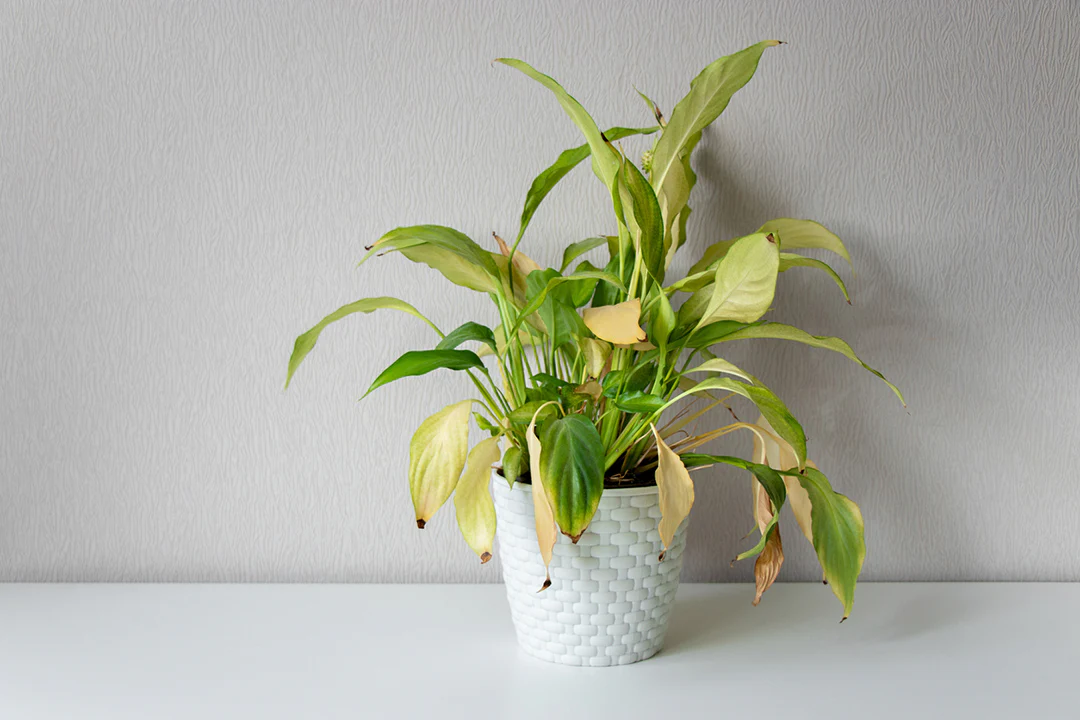
Wilted, yellowing, or dropping leaves are problems that every gardener or landscape designer eventually encounters. The reasons behind them can vary, but the outcome is always the same: the plant looks weak and unhealthy. At Ecolandscape Studio, we often deal with such situations and understand how important it is to identify problems at an early stage and address them promptly. In this article, we share key recommendations that will help prevent wilted leaves and maintain the health of your plants.
Proper Watering: The Key to Healthy Leaves
Water is essential for life, and plants rely on it for more than just survival it directly affects the appearance, strength, and vitality of their leaves. One of the most common causes of leaf wilting is incorrect watering. When plants don’t receive enough water, their leaves lose firmness, start to wilt, and eventually dry out. This is especially true for plants with large or succulent leaves, such as fuchsias or begonias.
However, overwatering can be just as harmful. When the soil stays too wet, it can cause root rot and disrupt the plant’s normal metabolism, also resulting in wilted leaves. It’s crucial to understand the water requirements of each plant. For drought-tolerant plants, such as lavender or thyme, too much moisture can be a serious issue. At Ecolandscape Studio, we recommend using a drip irrigation system that delivers water in precise amounts, minimizing the risk of both underwatering and overwatering.
Light Exposure: How Sunlight Impacts Your Foliage
Sunlight is a fundamental factor in plant health, influencing everything from leaf color to strength and growth patterns. A lack of light is another frequent reason for wilted leaves. Many plants, such as roses, basil, or geraniums, require full sun to thrive. When light is insufficient, leaves stretch, lose vibrancy, and become less firm.
On the other hand, not all plants tolerate intense sunlight. Shade-loving species, like ferns or astilbes, may suffer from overheating, which also leads to leaf wilting. Choosing the right location for each plant according to its light preferences is therefore critical. At Ecolandscape Studio, we carefully select optimal planting spots so that plants receive the right amount of light without being exposed to harmful excess.
Nutrition: How Deficiencies Affect Leaf Health
Healthy leaves are a reflection of proper nutrition, as plants rely on essential nutrients to maintain growth, color, and resilience. Leaf problems can often result from a lack of key nutrients in the soil. For example, nitrogen deficiency causes yellowing and wilting, while insufficient potassium leads to drying and loss of turgor. This is particularly noticeable in nutrient-demanding plants, such as tomatoes, peppers, and other vegetables.
The importance of proper fertilization cannot be overstated. At Ecolandscape Studio, we always advise our clients to feed their plants regularly, especially during active growth periods, using fertilizers that provide all essential microelements. However, over-fertilizing is also harmful excessive nutrients can upset soil balance and lead to overgrowth, negatively affecting leaf quality.
Pests and Diseases: Hidden Causes of Wilting
Sometimes, the reason for wilting leaves isn’t obvious. Pests or diseases can silently damage plants, weakening them over time. Many insects, such as spider mites, aphids, or mealybugs, feed on plant sap, leaving leaves limp and weak. In addition, diseases like powdery mildew or fusarium can attack roots and foliage, also leading to wilting.
Regularly inspecting plants for pests and signs of disease is essential. Timely treatment can prevent the spread of problems and maintain plant health. At Ecolandscape Studio, we use environmentally safe methods to protect plants, reducing the need for chemical treatments and supporting a healthy garden ecosystem.
Martin Palma, Founder and CEO of Ecolandscape Studio:»Leaf problems are a signal that a plant is experiencing some kind of stress. Whether it’s due to a lack of water, sunlight, or nutrients, it’s crucial to monitor the condition of your plants and respond in time. Good landscape design begins with attention to every element of your garden, and understanding plant needs is the key to their health and beauty.»
Wilted leaves are not just an aesthetic issue they are an indicator that a plant is lacking essential resources. Watering, light, nutrition, and protection from pests all need to be balanced to ensure plants feel comfortable and thrive. At Ecolandscape Studio, we help our clients create conditions where plants grow and develop without losing their appeal. Healthy plants are not only beautiful elements of the landscape but also vital contributors to the ecosystem of your garden.