Lettuce is one of the most popular and beloved vegetables in gardens, but growing it in the summer heat can present a challenge. At Ecolandscape Studio, we believe that even during the hottest months, you can create optimal conditions for lettuce growth. And now, with autumn approaching, it’s a great time to prepare the soil for a second harvest or for planting new lettuce for the fall season.
The Importance of Proper Conditions for Lettuce Growth
Lettuce is a plant that prefers cool temperatures, between 11°C and 24°C (52°F — 75°F). When temperatures rise above 25°C (77°F), the leaves begin to turn bitter, and prolonged heat can cause the plant to bolt, producing flower stalks and halting the production of edible leaves.
Now that autumn is near, it’s time to start planning your second round of plantings. At Ecolandscape Studio, we believe that autumn provides ideal conditions for planting fresh lettuce. It’s important to prepare the soil and provide the necessary conditions for sprouting and growth.
When and How to Plant Lettuce in Summer and Autumn
The secret to successfully growing lettuce in hot weather is proper planting timing. Lettuce can be planted in early spring, as soon as the soil warms up, but for fresh leaves in mid-summer, consider reseeding. Many gardeners prefer to grow lettuce twice per season: the first harvest in early summer and the second closer to autumn when the temperatures become more comfortable.
Autumn planting is an excellent opportunity to get fresh greens within the next month. For this, choose shaded areas or spots where the sun won’t be as intense, and take care to prepare the soil properly.
Choosing the Right Lettuce Varieties for Hot Summer and Autumn
Leaf lettuce varieties are ideal for hot summers because they mature quickly and can be harvested as they grow, providing a continuous supply. It’s important to select varieties that are suitable for successive harvests.
Varieties like Romaine, Summer Crisp, Grand Rapids, or Butterhead lettuce are perfect for these conditions. At Ecolandscape Studio, we often recommend these varieties to our clients, as they are heat-tolerant and continue to produce even when other varieties stop growing.
For autumn, choose the same varieties, as cool and stable temperatures are perfect for their growth during this season.
Regular Harvesting and Pruning of Lettuce
An important factor in extending the life of your lettuce is regular harvesting. When the leaves become large and mature, they signal the plant to start producing seeds. At this point, lettuce becomes bitter and no longer suitable for consumption. At Ecolandscape Studio, we recommend cutting the outer leaves while leaving the central leaves so that the plant continues to grow and produce new leaves.
This is especially important for leaf lettuce, which grows actively throughout the season. By removing the outer leaves, you not only ensure a continuous harvest but also reduce the likelihood of the plant bolting.
Providing Shade for Lettuce
Lettuce needs moderate sunlight. During hot summer months, direct sunlight can damage the plants, so we at Ecolandscape Studio recommend planting lettuce in areas protected from the harsh sun. These can be spots near taller plants, like tomatoes, corn, or cucumbers, which provide natural shade.
For additional sun protection, you can use shade cloth or covers to reduce direct sunlight exposure on the plants.
Watering and Maintaining Moisture
Lettuce is mostly made of water, and regular watering is essential for its proper growth. In hot weather, the soil dries out quickly, and lettuce leaves begin to wilt. At Ecolandscape Studio, we recommend watering lettuce every day, especially in hot weather. Keep in mind that lettuce roots are shallow, so frequent, light watering is more effective than infrequent, heavy watering.
Using drip irrigation or regular surface watering helps maintain the required moisture levels and cool the roots.
Transplanting to Slow Bolting
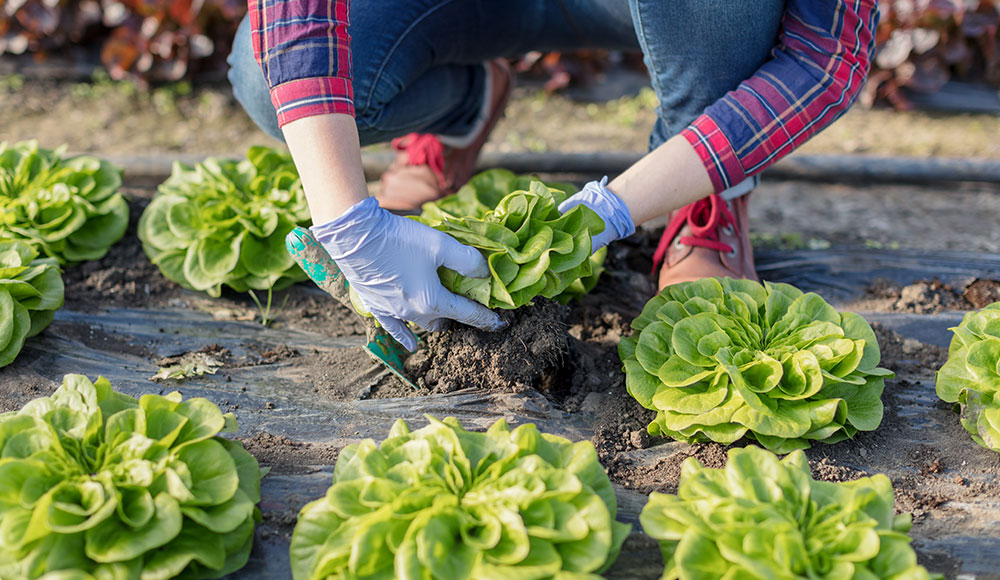
When the heat becomes excessive, lettuce plants may bolt prematurely. In this case, we at Ecolandscape Studio recommend transplanting the plants. Moving the plants to a new location can disrupt their normal development and «trick» them into focusing on root growth rather than flower stalks. Transplanted plants will resume growth and become more heat-resistant.
Preparing for a Second Harvest
If your first lettuce harvest is over and the plants are starting to bolt, it’s time to plant a second crop to extend the season. Choose a shaded spot, water the soil generously, cover it with a board to reduce soil temperature, and ensure regular watering. This approach will allow lettuce seeds to germinate under conditions similar to those in early spring, even in the middle of summer.
Autumn Harvest
Once the temperature drops, you can plant lettuce for the autumn harvest. Leaf lettuce grows quickly in cool weather, and you can have fresh leaves within a few weeks. This period is often called the «second season» for lettuce, and it can be just as tasty as the spring crop.
Recommendations and Conclusion from Ecolandscape Studio
- Choose the right variety of lettuce: Leaf lettuce varieties like Romaine or Grand Rapids are perfect for hot summers. These varieties grow quickly and are less likely to bolt.
- Regularly harvest: Cut only the outer leaves, leaving the central ones. This will help the plant continue to produce new leaves and slow down the bolting process, which can make leaves bitter.
- Provide shade from the hot sun: Plant lettuce in the shade of taller plants, such as tomatoes or corn, to reduce the impact of the scorching sun during the hottest hours of the day.
- Proper watering: Water lettuce daily, especially in hot weather. Since lettuce has shallow roots, it’s important to maintain consistent soil moisture without over-watering.
- Transplant if necessary: If lettuce starts to bolt, transplant it to a shadier spot. This will delay bolting and extend the harvesting period.
- Prepare for the second harvest: For a second crop, sow lettuce in early summer in a shaded area, water it well, and cover it with a board to lower the soil temperature.
- Autumn planting: Autumn is an excellent time for planting new lettuce. Choose shaded spots, prepare the soil, and start planting to ensure a fresh harvest in the fall and winter.
At Ecolandscape Studio, we are confident that with the right approach, regular care, and following these recommendations, you can achieve a great lettuce harvest even in the hottest conditions. By following these tips, your lettuce will provide you with freshness and flavor throughout the season. If autumn has already arrived, it’s the perfect time to plant a new crop.
If you have any questions about plant care or garden planning, we are always happy to help and share our experience.