The concept of hybrid homes is not just an architectural idea but a whole approach to construction that actively uses both traditional and modern materials. From a landscape design perspective, hybrid homes open up unique opportunities to create harmonious, functional, and environmentally friendly spaces. At Ecolandscape Studio, we believe that a successful landscape project for a hybrid home must be integrated with its architecture and natural surroundings, taking into account both aesthetic and ecological factors.
Martin Palma, the founder and CEO of Ecolandscape Studio, shares his experience: «When we begin working on a hybrid project, it is important to understand that the landscape and architecture should not only be connected but also complementary. This is a space where technology and nature must work in sync. A successful landscape design can significantly enhance the perception of the home, creating a cozy and sustainable environment.»
In this article, we will discuss how landscape design can highlight the unique features of hybrid homes, creating a harmonious and comfortable space around them.
What Are Hybrid Homes from a Landscape Design Perspective?
Hybrid homes are buildings that use both traditional construction materials (wood, stone, clay) and modern ones (metal, glass, recycled concrete). This approach not only allows us to take advantage of the benefits of each material but also helps create a home that blends organically with the surrounding nature.
From a landscape design perspective, it is crucial to understand that the home and its site should be interconnected. Traditional materials such as wood or stone can be used to create natural walls, fences, and landscape elements, while modern technologies can provide comfort, energy efficiency, and sustainability. The landscape must support this harmony, emphasizing the natural beauty and functionality of the space.
Advantages of Hybrid Homes in Landscape Design
Hybrid homes influence landscape design and significantly expand the horizons of traditional approaches to creating external spaces. Let’s look at the main advantages of hybrid homes from a landscape perspective:
Ecological Sustainability: One of the key aspects of hybrid homes is their resilience to external influences and minimal interference with nature. A well-designed landscape plays a decisive role in maintaining ecological harmony. Using local materials such as stone, clay, or wood not only reduces transportation costs but also helps preserve the ecosystem of the site. Natural building and landscaping materials are generally biodegradable and have little negative impact on nature.
Additionally, landscape design for hybrid homes can include rainwater harvesting systems, which allow for efficient water management and reduce the need for irrigation.
Energy Efficiency and Climate Adaptation: A major advantage of hybrid homes is their ability to adapt to local climatic conditions. For example, the use of traditional materials like adobe (clay brick) helps regulate the temperature inside the home. Landscape design, in turn, can improve insulation by creating natural barriers from the sun or wind with green plantings and natural shelters.
Green roofs, vertical gardens, and trees planted along the walls can significantly improve the microclimate around the home, preventing overheating and providing additional protection from external factors. This will not only improve the home’s energy efficiency but also make the site cozier.
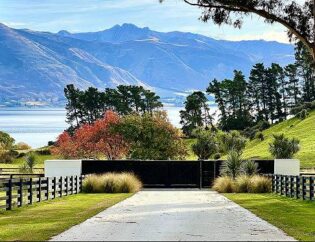
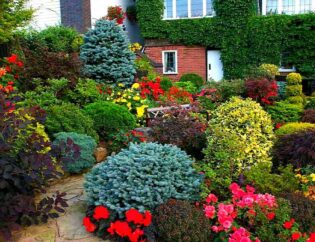
Integration with Nature: Hybrid homes are not just about combining ancient and modern technologies but also about integrating with nature. Landscape design must work to create harmony between the house and its surrounding landscape. This includes selecting plants that support biodiversity and create a healthy ecosystem. It’s important to choose plants that are suited to the local climate and require minimal maintenance.
«In hybrid projects, landscape design plays as important a role as the architecture itself. We create not only cozy spaces for living but also support ecosystem sustainability by using native plant species and environmentally friendly materials,» notes Martin Palma.
Key Principles of Landscape Design for Hybrid Homes
When designing landscapes for hybrid homes, it’s important to consider several key principles that will help create a harmonious and sustainable environment around the home.
Use of Local Materials and Plants: Choosing local materials for landscape design helps minimize the impact on the ecosystem and improve ecological sustainability. Using natural materials such as stone and wood promotes the natural integration of the home into the surrounding environment. Local plants, adapted to the local climate, require less water and maintenance, making the garden resilient and cost-effective.
Energy-Efficient Solutions in Landscape Design: Solar panels, rainwater harvesting systems, and heat pumps are not only modern technologies that can be integrated into the home but also elements of landscape design. These help reduce operational costs and increase the home’s energy efficiency. Creating areas with high insulation using hedges or trees also helps reduce the need for air conditioning.
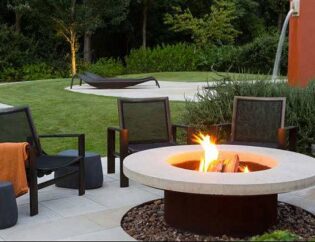
Creating Spaces for Rest and Seclusion: The landscape design of hybrid homes should include areas for relaxation that blend harmoniously with nature. These can be cozy corners for meditation, terraces, pavilions, or small gardens that transform the site into a multifunctional and comfortable zone.
Water Management and Resource Management: Rainwater harvesting systems and drainage systems play a vital role in landscape design for hybrid homes. Effective water management helps preserve the ecosystem and reduce water consumption for garden irrigation. Using water diversion structures and storage tanks helps prevent flooding and minimize the impact on natural resources.
Example of Hybrid Homes in Latin America
A project in Chile, where traditional building materials like adobe and stone are used in combination with modern ecological solutions, is a great example of the hybrid approach in landscape design. Here, stone walls provide insulation and regulate the temperature inside the house, while solar panels and rainwater harvesting systems enhance energy efficiency and sustainability.
Moreover, in countries like Mexico and Brazil, landscape design methods are actively applied to create sustainable, climate-adapted spaces. These countries use local plants for creating landscape features that not only decorate the site but also promote ecological stability.
Hybrid homes represent a concept that combines the best aspects of traditional and modern solutions. Landscape design plays a key role in creating such homes because it helps integrate the house into nature, maintaining harmony and ecological sustainability. At Ecolandscape Studio, we believe that a well-designed landscape for a hybrid home can create not only a beautiful but also a functional space where people can live in harmony with nature.