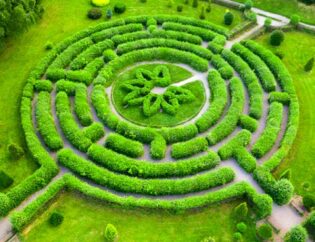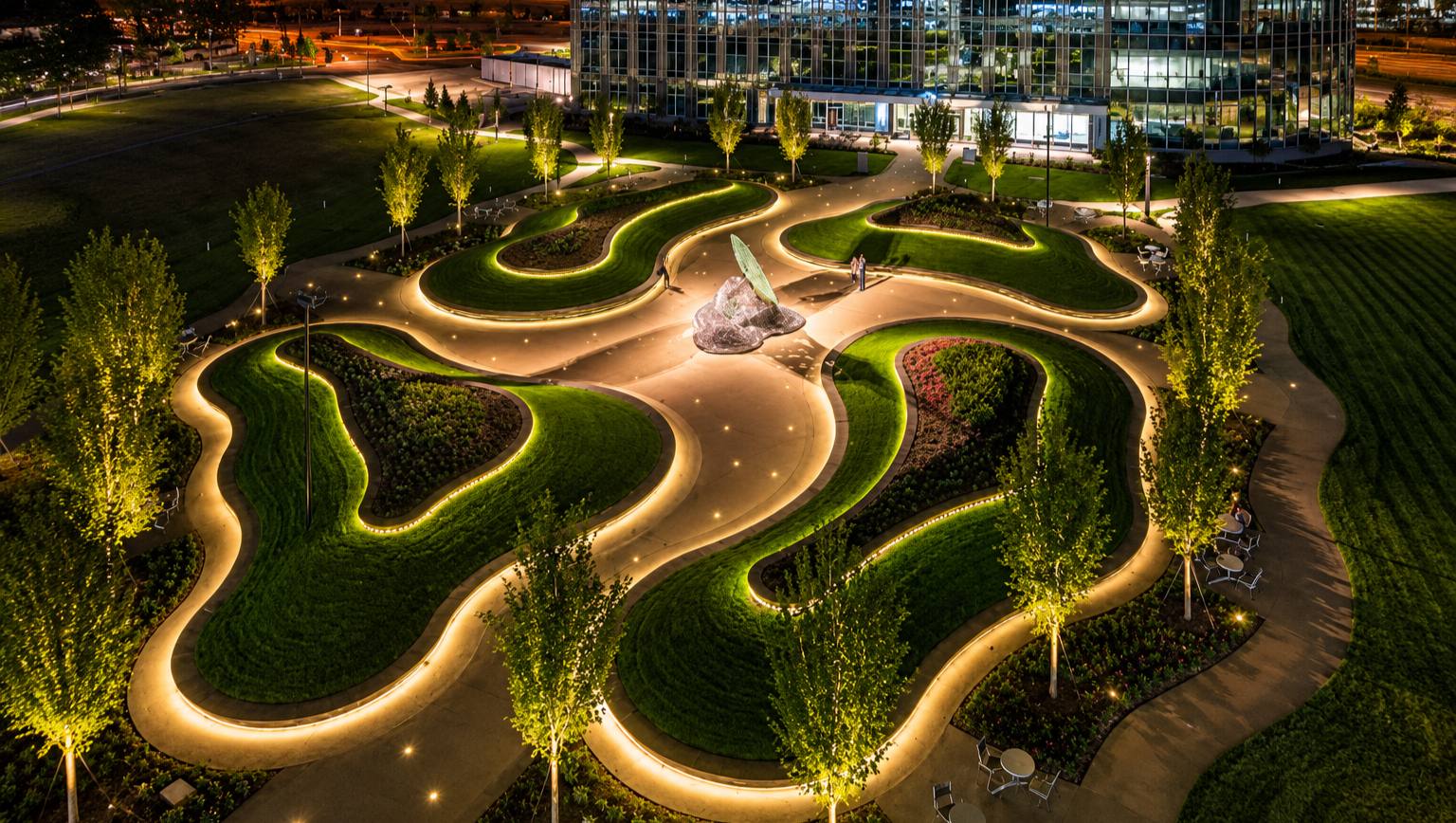
Questions of public health are increasingly being viewed not only through the lens of medicine but also through the quality of the environment in which people spend most of their lives. Modern research demonstrates that urban spaces can have a significant impact on physical condition, emotional balance, and overall well-being. Martin Palma, founder and CEO of Ecolandscape Studio, analyzes the relationship between urban environments and quality of life, noting that landscape architecture is gradually becoming one of the most important tools for creating healthier cities. Today, the conversation extends far beyond aesthetics and focuses on designing spaces that can positively influence how people feel and function in their daily lives.
One of the most important factors is access to green spaces for different groups of residents. In densely developed urban areas, people often face a shortage of open environments intended for recreation, walking, and physical activity. Limited contact with nature can contribute to fatigue, reduce overall comfort, and diminish opportunities for recovery from everyday stress. Specialists at Ecolandscape Studio believe that thoughtfully designed parks, public gardens, and pedestrian networks help create healthier living conditions while encouraging residents to spend more time outdoors. These spaces become essential components of a city that actively supports the well-being of its population.
Physical activity remains one of the most effective ways to prevent numerous health problems, yet participation levels are strongly influenced by the characteristics of the surrounding environment. Comfortable walking routes, cycling infrastructure, landscaped waterfronts, and multifunctional public spaces make movement a natural part of daily life. When urban environments encourage activity, residents are far more likely to choose walking over short car trips and engage in regular outdoor exercise. We analyze international urban development practices and consistently observe a strong connection between the quality of public spaces and the physical activity levels of local communities. Well-designed environments can promote healthy habits without the need for additional regulations or interventions.
The influence of urban environments on emotional well-being is equally important. Constant noise, heavy traffic, visual congestion, and the fast pace of city life can create significant psychological pressure. This is why natural elements have become an increasingly valuable component of modern urban infrastructure. Trees, water features, landscaped relaxation areas, and naturalistic environments help establish a calmer and more balanced atmosphere. Specialists at Ecolandscape Studio note that even short periods spent in high-quality outdoor environments can have a positive effect on mood, stress levels, and overall psychological comfort.
Another essential aspect is social well-being. Contemporary public spaces increasingly serve as places where people interact, communicate, and build stronger community connections. Residents gain opportunities to spend time together, participate in cultural activities, and become more engaged with their neighborhoods. We believe that such environments strengthen social bonds and contribute to more resilient urban communities, where quality of life is determined not only by infrastructure but also by opportunities for meaningful human interaction.
The development of future cities requires a deeper understanding of how profoundly the built environment influences human health. Landscape architecture is no longer limited to decorative improvements but has become a critical component of strategic urban planning. At Ecolandscape Studio, we see this as an opportunity to create cities that not only function efficiently but also actively support the physical, emotional, and social well-being of their residents for generations to come.